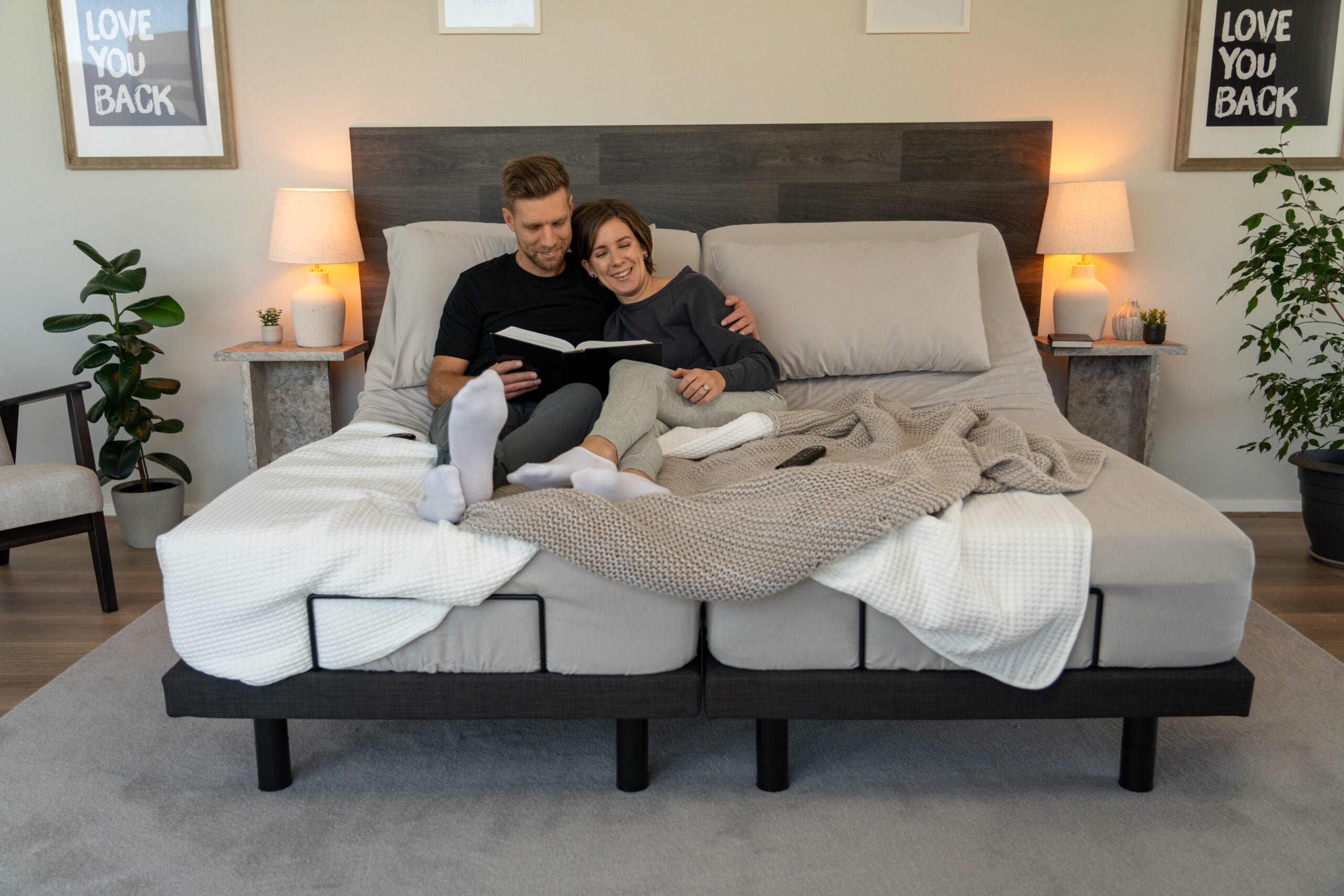
It’s the end of the day. You’ve brushed your teeth, turned off the lights, and settled into bed. Then… nothing. Ten minutes pass. Twenty. Forty. You check the clock. Why aren’t you asleep yet?
If that sounds familiar, you’re not alone. The time it takes to drift off is called sleep latency, and it’s a key part of your overall sleep health. It’s also something many of us don’t realise we’re struggling with until we’re tossing and turning night after night.
So, how long should it take to fall asleep? And if it’s taking too long, what can you do about it?
Let’s break it down.
What is sleep latency?
Sleep latency is the amount of time it takes to fall asleep after you first lie down and intend to sleep. It starts the moment you close your eyes with the aim of sleeping and ends when you actually fall asleep.
This timing can reveal a great deal about your overall sleep quality. A sleep latency that’s too short may mean you’re sleep deprived. A sleep latency that’s too long might suggest poor sleep habits, stress, or an uncomfortable sleep setup.
Understanding how sleep works can help explain why this matters. As your body transitions through different stages of sleep, it needs to move smoothly from wakefulness into a restful state. Long delays at the start can throw off the entire sleep cycle, including REM sleep and deep sleep.
What’s a normal sleep latency?
On average, a healthy adult will fall asleep within 10 to 20 minutes of going to bed. If you’re falling asleep as soon as your head hits the pillow, it might feel like a good thing, but it could actually be a sign that you’re not getting enough rest.
If it’s regularly taking you more than 30 minutes to fall asleep, that could point to disrupted sleep hygiene, a lack of wind-down routine, or discomfort in your bedroom environment.
In some cases, prolonged sleep latency could also be linked to a sleep disorder like sleep apnea or a more serious imbalance in your sleep pattern. These are issues that may require further support or even a formal sleep study to be properly investigated.
A few nights of poor sleep can happen to anyone. But if your sleep latency is consistently outside the normal range, it’s worth paying attention to.
What affects how quickly you fall asleep?
There’s no single cause of long sleep latency. Often, it’s a mix of physical, mental, and environmental factors. These might include:
Stress and racing thoughts. Worrying about the day, the news, or your to-do list tomorrow can all keep your brain in “awake” mode.
Inconsistent sleep schedules. Sleeping and waking at different times each day disrupts your circadian rhythm, making it harder to wind down.
Poor sleep hygiene. This includes screen time before bed, caffeine late in the day, or irregular bedtimes. Learn more about sleep hygiene and why it matters if this sounds familiar.
Bedroom temperature or lighting. Too warm, too cold, too bright, or too noisy? These environmental details really do matter.
Underlying health conditions. Issues like chronic pain, restless legs, or even medication side effects can delay the time it takes to fall asleep.
Tips to improve sleep latency naturally
Improving your sleep latency doesn’t require drastic changes. Small, consistent steps can help your body and brain settle more easily at night.
Here are some simple, helpful habits to try:
Stick to a regular bedtime. Going to sleep and waking up at the same time every day helps train your body to fall asleep faster.
Build agood night routine. Gentle stretches, a warm shower, soft lighting, and quiet reading can all help you ease into rest.
Avoid screens before bed. Blue light from phones or tablets can delay your natural melatonin release, making it harder to fall asleep.
Keep your bedroom cool and calm. A comfortable space makes a big difference. That might mean changing your sheets, adjusting your room lighting, or using white noise.
Reduce naps or caffeine in the afternoon. These can interfere with your ability to feel sleepy when bedtime comes around.
Track your total hours. Aim to get the right amount of sleep for your needs — most adults benefit from 7 to 9 hours of sleep each night.
If you’re still unsure where to start, this guide on how to get better sleep is a great resource.
You can also find targeted tips to improve sleep for more ideas to suit your lifestyle and environment.
Should you be worried about sleep latency?
If it’s taking longer than 30 minutes to fall asleep most nights, it’s worth looking at the cause. Occasional restlessness is normal, but when it becomes frequent, it can start to affect the quality and structure of your sleep.
Sleep latency issues can also contribute to fatigue, reduced focus, and less time spent in restorative stages like deep sleep. Over time, this may affect your mood, energy levels, and even physical recovery.
If you’re unsure whether your sleep latency is a one-off issue or part of a larger concern, a professional sleep study can help diagnose hidden problems, including sleep disorders like sleep apnea or fragmented sleep patterns.
The good news is that many of the most common causes of poor sleep latency are manageable with lifestyle and environment changes.
How Letto helps support better sleep latency
At Letto, we know how frustrating it is to lie awake night after night, waiting for sleep to arrive. That’s why we focus on comfort, consistency, and calm — so your body has the right conditions to relax when it matters most.
If you’re working on your routine and want to fall asleep more easily, we’re here to help, with thoughtful comfort and delivery that’s simple from start to finish.
If you’ve ever woken up sweaty in the middle of the night, or pulled the doona up to your ears only to wake up with cold feet, you’re not alone. Temperature plays a huge role in how well we sleep, yet it’s something many of us overlook.
We talk a lot about sleep routines, cutting back on screens, or winding down with a cup of tea (all great things). But your sleeping environment matters just as much. Especially the temperature for sleep.
So, what is the ideal sleeping temperature? And how can you set up your bedroom for a better night’s rest without spending a fortune or turning your home into a science experiment?
In this blog, we’ll walk through it together.
Temperature impacts your sleep more than you think
Your body has a built-in system that helps you wind down in the evening. One part of that system involves a drop in your core body temperature. Basically, your body cools itself down to prepare for sleep.
That drop is a signal that it’s time to rest. But if your indoor temperature is too hot, too cold, or constantly changing, your body has a harder time getting into deep sleep and staying there.
In fact, temperature regulation affects how smoothly you move through the different stages of sleep, including deep and REM sleep. A cooler, stable environment helps you stay asleep longer and reach the deeper, more restorative stages that leave you feeling refreshed.
Find your ideal temperature range
Most sleep researchers agree: somewhere between 16°C and 20°C is ideal for most adults. This is considered the ideal room temperature for rest.
That range supports your body’s natural process of cooling down, without making you uncomfortable. Too warm, and you might feel restless or overheat. Too cold, and your muscles can tense up, or you may wake from discomfort.
But here’s the key: comfort is personal. Some people sleep hot. Others feel the cold more. The goal isn’t to land on a perfect number; it’s to find the range where your body relaxes best.
If you’re not sure, try setting your room to around 18°C and adjust from there over a few nights. Then fine-tune your bedding or clothing to match a comfortable temperature.
A few things we often get wrong
There’s no shortage of advice about sleep, and some of it can be confusing. Let’s clear up a few common beliefs.
Some people say a warm room helps them drift off. And yes, warmth can feel nice at first. But what matters more is whether you stay comfortable all night. A warm room often leads to overheating later, especially if your bedding traps heat and interferes with temperature regulation.
Others swear by a cold room with a heavy doona. That can work, but layering up too much can cause you to overheat under the covers. You might then wake up cold after kicking them off. It’s the temperature swings that cause problems, not just the number on the thermostat.
And finally, some people assume that if they’re tired, the temperature for sleep doesn’t matter. But sleep quality matters just as much as quantity. If you’re waking up feeling groggy or sore, even after a full night’s sleep, temperature could be playing a quiet role in that.
How to actually make your room more comfortable
The good news is you don’t need to renovate your bedroom or buy expensive gadgets. Here are a few simple, affordable ways to stay within the ideal room temperature range and feel the difference.
Adjust your thermostat to 16–20°C, if you have one
Struggling in summer? Try these ideas to sleep in the heat without tossing and turning
If you’d like more ideas, these tips to improve your rest offer practical changes that don’t require a big effort.
Your mattress and bedding matter too
Temperature isn’t just about the air. It’s also about your mattress and bedding. A mattress that traps heat or offers poor support can leave you waking up sore, sweaty, or both.
You don’t need to overthink it. Just choose what feels good, holds up well, and helps you fall asleep peacefully.
Sleep better by making small changes
Your bedroom temperature might not seem like the most exciting topic. But once you get it right, the change can be surprisingly powerful.
It doesn’t take much. A cooler room, better bedding, and a bit of consistency. Together, these small changes help your body do what it’s meant to do — rest deeply, recover well, and wake up ready.
If you’re looking for ways to improve your sleep without the gimmicks, Letto is here to help with calm, comfortable solutions that actually make a difference.
Have you ever felt exhausted during the day, even after what seemed like a full night’s rest? Or noticed your energy dipping more than usual after a few late nights? That lingering tiredness could be a sign of something called sleep debt, and it’s more common than you might think.
Sleep debt doesn’t mean one bad night. It’s what happens when you consistently get less sleep than your body needs. And just like with money, the more it adds up, the harder it becomes to ignore.
In this blog, we’ll take a closer look at what sleep debt is, how it builds up, and what you can do to get back on track.
What exactly is sleep debt?
Sleep debt refers to the gap between how much sleep your body needs and how much it actually gets. For example, if you need eight hours of sleep but only get six, you start the next day with two hours of sleep debt.
Miss a few hours here and there, and your body can usually bounce back. But if that pattern continues for days or weeks, the effects build. This ongoing shortfall can lead to both mental and physical fatigue and make it harder to fall asleep or stay asleep in the future.
To understand why sleep debt matters, it helps to understand how sleep works. Each night, your body cycles through different stages of sleep, including REM sleep and deep sleep. These stages support memory, mood, metabolism, and your immune system. If you’re not sleeping long enough, or your sleep quality is poor, you miss out on the benefits of these deeper stages — even if you think you’ve “slept” all night.
What causes sleep debt?
Sleep debt can come from a range of sources, not just staying up too late. Some of the most common contributors include:
Light, noise, or temperature changes in your bedroom
Certain health conditions or unmanaged sleep disorders
Even small disruptions, like waking up too early or going to bed at inconsistent times, can accumulate into sleep debt over time.
How does sleep debt affect the body and mind?
Short-term sleep debt might just leave you feeling tired, groggy, or unfocused. But as it builds, the effects can become more serious. You may experience:
Ongoing fatigue and reduced energy
Trouble concentrating or remembering things
Mood swings or low motivation
Weakened immune system or more frequent illness
Higher risk of accidents or injury due to slowed reflexes
You might also notice it becomes harder to fall asleep, stay asleep, or wake up feeling refreshed. Your sleep pattern can become disrupted, making recovery feel more difficult than it should.
Sleep debt doesn’t just affect how long you sleep. It also affects your quality of sleep — how well your body moves through the sleep cycles that support brain function, repair, and overall well-being.
Can you repay sleep debt?
Yes — but not in a single weekend. Sleep debt isn’t something you can erase by sleeping in once or twice. It takes time and consistency to catch up, especially if the debt has built up over weeks or months.
Think of it like restoring balance, not paying off a bill. You can recover from sleep debt by:
Getting slightly more sleep than usual over the next several nights
Allowing your body to settle into its natural rhythm again
It’s also worth checking how much rest you’re actually getting. If you’re wondering how much deep sleep you need or what time you should wake, these guides offer helpful starting points.
And if you regularly feel sleepy during the day, even after a full night in bed, that could be a sign your body needs to recover from more than just a single poor night’s rest.
Tips to recover from sleep debt gently
Here are a few ways to support your body as it catches up on rest and begins to improve your sleep over time:
Stick to a regular sleep schedule. Go to bed and wake up at the same time each day.
Create a calming bedtime routine. Avoid screens, dim the lights, and give yourself time to unwind.
Limit naps to 20–30 minutes. Longer naps can disrupt your nighttime sleep.
Make your sleep space comfortable. Check that your mattress, bedding, and pillows support you properly.
Try small adjustments first. Going to bed 15 minutes earlier each night can be easier to manage than a big shift.
And remember, the amount of sleep you need may vary slightly from others. Focus on what helps you feel rested, not just what the clock says.
How Letto can help support better rest
At Letto, we understand that getting back on track with sleep can take time, especially when you’re recovering from sleep debt. That’s why we’ve focused on making rest feel easier, not harder.
Our Letto mattress, breathable bedding, and Letto sleep bundles are all designed to help you rest comfortably, reduce disruptions, and create a space where your body can truly relax.
If you’re ready to get better sleep, we’re here with no-fuss delivery and simple options that make building a restful bedroom easy.
Most of us assume that if a product is on the shelf, it’s safe to use. But in today’s fast-paced manufacturing world, cost-cutting often comes at the expense of quality, especially when it comes to materials used in everyday items like bedding, towels, or clothing.
That’s where independent certifications like Oeko-Tex® play a critical role. They help consumers identify products that have been tested for harmful substances and meet internationally recognised safety standards.
If you’ve ever wondered what is Oeko Tex and why it matters, this article will walk you through what the certification means, how to read its different labels, and why it’s especially important when it comes to the materials we sleep on every night.
What Is Oeko-Tex?
Oeko-Tex® is a globally recognised certification system that tests textiles for harmful substances. Established in 1992 by independent research institutes in Europe and Japan, the goal was simple: give consumers confidence that the fabrics they bring into their homes are safe for human health.
When a product carries the Oeko-Tex label, it means every component—from threads and buttons to zippers and dyes—has been tested for substances that could pose a risk. This includes known irritants like formaldehyde, heavy metals, and certain pesticides, as well as hundreds of other potentially harmful chemicals.
Unlike general marketing terms like “eco-friendly” or “non-toxic,” Oeko-Tex certification is based on strict laboratory testing and scientific standards. It’s not just a label, it’s a guarantee that the product has passed one of the most thorough textile safety tests in the world.
The Different Oeko-Tex Labels and What They Mean
Not all Oeko-Tex certifications are the same. Each label focuses on a different aspect of safety, sustainability, or production. Here are the four most common ones you’ll see—and what they tell you:
STANDARD 100 by Oeko-Tex
What it means: Every part of the product (threads, buttons, fabric, etc.) has been tested for harmful substances.
Where you’ll see it: Clothing, bedding, towels, and other finished textiles.
Who it’s for: Anyone who wants peace of mind that what touches their skin is safe, even for babies.
What it means: The product is not only tested for harmful substances (like STANDARD 100), but also made in environmentally friendly facilities under socially responsible working conditions.
Where you’ll see it: Higher-end or eco-focused textile brands.
Who it’s for: Buyers looking for both safety and ethical, sustainable production.
What it means: The cotton is grown organically and verified to be free from genetically modified organisms (GMOs) and harmful chemicals throughout processing.
Where you’ll see it: Bedding, baby clothes, towels, and other cotton-based products.
Who it’s for: Shoppers looking for true organic materials with verified safety.
Quick Tip: The most common label for bedding and sheets is STANDARD 100 Oeko tex®. If you’re shopping for items that come into close contact with your skin, this is the one to look for first.
Why Oeko-Tex Certification Matters for Bedding
Your bed is where your body spends a third of its life. For many people, especially those with sensitive skin, allergies, or respiratory issues, what you sleep on really does matter.
Sheets, pillowcases, and mattress covers are in direct contact with your skin and nose for hours at a time. If these fabrics contain harsh chemicals or residual toxins from manufacturing, you may end up breathing them in or absorbing them through your skin night after night.
Oeko-Tex certified bedding removes that worry. It ensures that no harmful substances are lingering in your sheets, no formaldehyde, no pesticides, no heavy metals, no questionable dyes. Just clean, safe fabric that won’t irritate your skin or trigger sensitivities.
This peace of mind is especially valuable for:
People with allergies or eczema
Parents choosing bedding for babies or children
Sleepers with asthma or sensitivities to synthetic smells
Older adults with delicate skin or compromised immune systems
Oeko-Tex certification isn’t about luxury, it’s about safety and trust. You shouldn’t have to wonder what’s in your sheets.
Letto’s Commitment to Certified Safety
Letto’s products are proudly OEKO-TEX® certified, ensuring every fabric is free from harmful chemicals and safe for sensitive skin.
From sheets to mattress covers, we prioritise your health by using environmentally friendly materials tested to the highest standards.
For those seeking peace of mind and quality sleep, Letto offers trusted bedding that supports your well-being every night.
Letto x Oeko-Tex: the Key to Healthier, Safer Bedding
Oeko-Tex certification means your bedding isn’t just soft—it’s safe. It guarantees that every material meets strict standards, free from harmful chemicals and irritants.
Choosing Letto’s Oeko-Tex certified products means you’re investing in healthier sleep and peace of mind, especially if you have sensitive skin or want to avoid toxins in your home. With Letto, safer, cleaner bedding is always within reach.
Explore Letto’s full range of OEKO-TEX® certified sheets, mattresses, mattress covers, and pillows designed for comfort and peace of mind.
Look for the OEKO-TEX® STANDARD 100 label on every Letto product—your guarantee of toxin-free quality you can trust.
Getting a full night’s rest can feel impossible when lower back pain is part of the picture. For many older Australians, discomfort through the night or stiffness in the morning has become a frustrating part of daily life. Poor sleep can make everything harder, from getting out of bed to staying active.
The way you sleep plays a big role in how your back feels. Finding the best sleeping position for lower back pain can relieve pressure on the spine, reduce inflammation and muscle tension, and improve overall sleep quality. Alongside this, the right bed setup can support your body’s natural alignment and help you wake up feeling better.
This guide outlines common causes of lower back pain at night, which sleep positions help most, and how adjustable beds can provide tailored support and long-term comfort.
Common Causes of Lower Back Pain at Night
Lower back pain is one of the most common complaints among older Australians. While it can be caused by medical conditions, everyday factors often play just as big a role, especially when it comes to how you sleep.
Here are some of the most common contributors to back pain during the night:
Age-related changes: As we age, the spinal discs naturally lose flexibility and cushioning. This can lead to stiffness, inflammation, and general discomfort, particularly when lying still for long periods.
Poor spinal alignment: Sleeping in positions that twist or strain the spine places uneven pressure on the lower back. Over time, this can lead to chronic pain or flare-ups during the night.
Unsupportive mattresses: A mattress that is too soft or too firm may not offer the support your body needs. This can cause your spine to curve unnaturally and your muscles to work overtime to keep you stable.
Limited movement during sleep: Staying in the same position for hours can reduce circulation and increase tension in the lower back, especially if your body is not well supported.
Understanding these root causes is the first step toward better sleep and pain relief. The next step is knowing how your sleeping position can help—or make things worse.
How Sleeping Positions Affect Lower Back Pain
The position you sleep in plays a major role in how your spine is supported overnight. Some positions keep your back aligned and relaxed, while others can twist your spine or place pressure on the lower vertebrae.
Here’s how the main sleep positions affect your back:
Back sleeping: Can be helpful when the knees are slightly elevated. This supports the spine’s natural curve and reduces lower back strain.
Side sleeping: One of the best options, especially with a pillow between the knees to keep hips aligned.
Fetal position: A looser version can ease pressure on joints, but curling too tightly may strain the lower back.
Stomach sleeping: This is the most likely to cause pain. It flattens the spine’s natural curve and puts pressure on the neck and lower back. This is definitely the worst sleeping position for lower back pain.
Some small tweaks can make a big difference in how your back feels by morning.
Best Sleeping Positions for Back Pain
If you’re currently experiencing lower back pain and not sleeping on your side or back, it may be time to reconsider your position. Stomach sleeping often worsens discomfort by forcing the spine into an unnatural angle. We really discourage sleeping in this position.
The best sleeping position for lower back pain is on your side with a pillow between your knees. This helps keep the spine, hips, and pelvis aligned, easing pressure on the lower back.
If side sleeping doesn’t feel comfortable or sustainable, lying on your back with your knees slightly elevated is a strong second option. This position supports the spine’s natural curve and can help reduce overnight tension.
Switching to one of these positions can provide noticeable lower back pain relief over time, especially when combined with a supportive sleep surface that adapts to your body’s needs.
How Adjustable Beds Can Help with Lower Back Pain
If you’re already sleeping on your side or back but still waking with lower back pain, your mattress could easily be the culprit. A mattress that doesn’t provide enough support or that sags in places can throw your spine out of alignment, no matter how good your sleeping position is.
Adjustable beds give you the power to customise your sleep position for maximum comfort and spinal support. By allowing you to elevate your head, feet, or both, these beds help maintain the natural curve of your spine while reducing pressure on sensitive areas.
For lower back pain, raising your knees slightly can ease tension by promoting better alignment and posture between your hips and pelvis. Elevating your upper body can also improve circulation and reduce muscle stiffness.
Split king and queen adjustable beds are especially useful if you share your bed, since each person can adjust their side independently without disturbing the other.
Many models, including Letto’s range, also offer features like zero gravity positioning and gentle massage options. These functions help relax muscles and encourage deeper, more restorative sleep.
Sleep Wellness Tips for Lower Back Pain
Use a body pillow to keepyour hips and spine aligned
Incorporate gentle exercise into your daily routine for strength
Prioritise health care and consult professionals if pain persists
Letto’s Solution to the Best Sleeping Position for Lower Back Pain
Lower back pain can seriously disrupt your rest and daily life. Finding the right sleeping position combined with supportive bedding is key to easing discomfort and improving recovery overnight.
Side sleeping or back sleeping will be your best position for sleep to reduce back pain, and adjustable beds that let you customise elevation and support can reduce pressure and help your spine stay aligned all night long.
With features designed for comfort and pain relief, Letto adjustable beds offer a practical way to upgrade your sleep setup and wake up feeling refreshed and free from pain. Explore Letto adjustable beds todayor request your free buyer’s guide to find your perfect fit.
If you wake up feeling like you’ve gone a few rounds with a wrestling mat instead of your mattress, you’re not alone. Back pain is incredibly common, especially as we get older. And while there’s no magic fix, a properly supportive mattress can make a huge difference in your comfort, mobility, and overall sleep quality.
Finding the best mattress for back pain doesn’t have to be overwhelming. The right setup should support your spine, reduce pressure points, and adapt to your body, not the other way around.
In this guide, we’ll walk you through the common causes of back pain, how to choose the right firmness, what features really matter in a mattress, and how adjustability can change the game for your sleep and spine.
Understanding the Causes of Back Pain in Older Adults
Back pain isn’t just annoying, it can seriously mess with sleep, movement, and quality of life. Knowing what causes it helps you pick a mattress that actually supports your body.
The Usual Suspects
As we get older, some common issues cause back pain:
Degenerative disc disease: Discs thin and lose cushioning, causing stiffness.
Osteoarthritis: Joint inflammation, often painful in the lower back.
Spinal stenosis: Narrowed spinal spaces can pinch nerves, especially when lying flat.
Muscle weakness or imbalances: Poor posture or inactivity leads to muscles that don’t support your spine well.
Why the Right Mattress Matters
A bad mattress can make back pain worse by throwing your spine out of alignment. Too soft or too firm mattresses cause pressure on muscles and joints, leading to sore mornings.
The right mattress supports your spine neutrally and eases pressure, helping your body truly relax.
Mattress Firmness: What’s Best for Back Pain?
Finding the right firmness is key—too soft and your spine sags, too firm and pressure builds up.
Firmness is how hard or soft a mattress feels, but it’s personal and depends on your body, sleep position, and pressure sensitivity.
Here are the common firmness levels
Soft (1–4/10): Best for side sleepers needing pressure relief; usually not supportive enough for back pain.
Medium Firm (5–7/10): Ideal for most sleepers, especially back and side sleepers; supports spinal alignment.
Firm (8–10/10): Best for stomach sleepers or heavier folks needing extra support; can be too hard for side sleepers.
Match Firmness to Your Sleep Style
Back sleepers: Medium-firm keeps the spine neutral without hips sinking too much.
Side sleepers: Medium to medium-soft cushions for the shoulders and hips to prevent soreness.
Stomach sleepers: Firmer mattresses prevent spine overextension, though this position isn’t recommended for back pain.
If you’re unsure, medium-firm is the safest bet for easing back pain, offering the best mix of comfort and support.
Why Adjustable Bases Can Help with Back Pain
Even with the best mattress, pillow top and ideal firmness, sometimes a flat bed just isn’t enough to fully relieve back pain. That’s where adjustable bases come in. They let you customise your sleeping position to better support your spine and reduce pressure on sensitive areas, giving your back the relief it needs throughout the night.
Here’s why adjustable bases make a real difference:
Improved Spinal Alignment
Raising your head or legs slightly can take pressure off the lower back, hips, and shoulders, common spots for pain.
For example, elevating your legs helps reduce strain on the lumbar spine, which can ease discomfort from sciatica or herniated discs.
Reduced Pressure on Problem Areas
Sleeping flat isn’t always the best option. Adjustable bases help distribute your body weight more evenly, lowering pressure on your lower back and improving circulation, especially beneficial if you have arthritis or joint pain.
More Comfortable Sleep Positions
Everyone’s sleep needs are different. Adjustable bases let you switch positions easily:
Zero Gravity: Elevates legs and head to take stress off the spine.
Head Elevation: Helps with acid reflux, snoring, and upper back tension.
Knee Support: Slight leg raise eases lower back stiffness.
Flexibility for Changing Needs
Back pain isn’t always consistent. Being able to adjust your position at the touch of a button lets you find the perfect angle when pain flares up or you just need a different kind of support.
Pairing Mattresses with Adjustable Bases
Not all mattresses are built to work with adjustable bases. Since the base moves to different positions, your mattress needs to be flexible enough to bend without losing support or durability.
The best matches include:
Memory Foam Mattress: Soft, contouring, and naturally flexible, which is great for adjustability.
Latex Mattress: Responsive and durable, with enough bounce to handle movement.
Hybrid Mattress: Mattresses with flexible coil systems combined with foam layers provide good support and adaptability.
On the other hand, traditional innerspring mattresses with rigid, non-flexible cores tend to be poor matches. They don’t bend well and can wear out quickly when paired with an adjustable base.
When shopping, look for mattresses with flexible, durable support layers. It’s always a good idea to test how a mattress moves on an adjustable base or check the manufacturer’s compatibility recommendations.
If this sounds a bit overwhelming, companies like Letto make it easier by offering pre-matched mattresses and adjustable base packages. This way, you can be confident your mattress will work perfectly with your adjustable base with no guesswork involved.
Letto’s Adjustable Bed and Best Mattress for Back Pain
We know what it takes to ease lower back pain while you sleep. Letto’s adjustable beds offer customisable positions, massage options, and features like zero gravity and anti-snoring modes that help your body find real relief.
Paired with a cooling gel memory foam mattress in the perfect firmness for side or back sleepers, it’s designed to support your spine night after night.
The Split Queen size lets couples enjoy their own comfort settings without losing the closeness of sharing a bed.
Ready to Sleep Better? Let Letto Help
Finding the best mattress for back pain doesn’t have to be complicated. Letto offers expertly matched mattress and adjustable base packages designed to provide the support and comfort your back needs.
Not sure which combination is right for you? Reach out to our team for personalised advice tailored to your sleep style and pain relief needs.
Contact us today to find your perfect mattress for back pain—or explore our adjustable base packages online now.