Sleep and mental health share a two-way relationship — poor sleep can trigger mood problems, and mental health conditions can disrupt your sleep pattern.
Even one or two hours of lost sleep can reduce positive emotions, increase anxiety, and impair focus and decision-making.
Chronic lack of sleep elevates stress hormones like cortisol, fuelling a cycle of inflammation, irritability, and emotional overwhelm.
Simple, evidence-based habits — consistent scheduling, light management, and a supportive sleep environment — can meaningfully improve sleep quality and emotional resilience.
If sleep difficulties persist for more than four weeks or significantly affect daily life, professional support is recommended.
Disclaimer: This article provides general information only and is not intended as medical advice. If you are experiencing persistent sleep difficulties, chronic anxiety, low mood, or emotional distress, please consult a qualified healthcare professional. In Australia, you can speak to your GP, contact Beyond Blue on 1300 22 4636, or call Lifeline on 13 11 14.
You know the feeling. After a rough night, the world looks a little greyer. Small frustrations feel bigger. Your patience is thinner, your focus scattered, and your mood sits somewhere between flat and fragile. It is not just in your head — or rather, it is exactly in your head, in the most literal sense. How does sleep affect mental health? The short answer is: profoundly, and in more ways than most people realise.
In Australia, roughly 40 per cent of adults regularly experience inadequate sleep, according to the Sleep Health Foundation and the Australasian Sleep Association — at an estimated cost of $75.5 billion per year in lost productivity, healthcare expenses, and reduced well-being. Behind those numbers are real people: parents running on empty, professionals burning out, and everyday Australians struggling to feel like themselves.
The science of how sleep works has shifted dramatically in recent years. Researchers now understand that the relationship is not one-directional — it runs both ways. Poor sleep does not simply result from mental health problems; it actively drives them. And improving sleep quality can be one of the most powerful things you can do for your emotional well-being.
What Happens in Your Brain While You Sleep
Sleep is not a passive shutdown. It is a carefully orchestrated sequence of neurological events, each serving a distinct purpose for your mind and body. Understanding these stages of sleep helps explain why poor rest affects so much more than energy levels.
During deep NREM sleep — particularly the slow-wave stage known as N3 — your brain performs essential housekeeping. The glymphatic system flushes out neurotoxic waste products, including beta-amyloid proteins linked to cognitive decline. Your pituitary gland releases growth hormone, fuelling cellular repair and tissue recovery, while your immune system undergoes critical restoration. And your synapses undergo a recalibration process that keeps your neural networks efficient and responsive.
Then there is REM sleep — the stage where your brain processes emotional experiences. During REM, noradrenaline (the brain’s stress chemical) drops to its lowest levels of the entire day. This creates a uniquely calm neurochemical environment where emotionally charged memories can be safely reprocessed and “defused.” Researchers describe this as your brain’s way of remembering what happened while letting go of the acute emotional pain attached to it.
When you cut sleep short — or when it is fragmented by stress, discomfort, or environmental disruptions — both of these processes suffer. The waste builds up. The emotional charge remains.
How Sleep Deprivation Affects Your Mood, Focus, and Emotions
The emotional toll of sleep deprivation goes far beyond tiredness. A landmark meta-analysis published in Psychological Bulletin in 2024 analysed over 50 years of experimental research — 154 studies involving more than 5,700 participants aged 7 to 79. The findings were striking.
Every form of sleep loss tested — total deprivation, partial restriction, and fragmented rest — significantly reduced positive emotions and amplified symptoms of anxiety, including racing thoughts and persistent worry. Perhaps most concerning: the threshold was remarkably low. Even staying up just one to two hours later than usual was enough to measurably shift mood and anxiety levels.
Brain-imaging studies help explain why. Research from UC Berkeley found that after just one night of sleep deprivation, the amygdala — your brain’s emotional alarm system — showed 60 per cent greater reactivity to negative stimuli. At the same time, its connection to the prefrontal cortex (the rational, calming part of your brain) weakened significantly. In simple terms, a sleep-deprived brain overreacts to threats and has fewer resources to calm itself down.
The Two-Way Link Between Sleep and Mental Health
For decades, clinicians assumed that sleep problems were simply a symptom of mental health conditions — an unfortunate side-effect of anxiety and depression. That understanding has changed fundamentally.
The relationship between sleep and mental health is now recognised as bidirectional. Poor sleep does not just follow psychiatric disorders; it actively contributes to their onset, severity, and relapse. Genetic studies using Mendelian randomisation have confirmed this at the DNA level — a genetic predisposition to insomnia independently increases the risk of developing depression, and vice versa.
The numbers are sobering. People living with chronic insomnia face a significantly elevated risk of developing depression — prospective studies suggest three to ten times higher than for the general population. For anxiety, the connection is even more pronounced. In Australia, Beyond Blue reports that approximately 3 million people live with a diagnosed anxiety condition, and their 2024 Mental Health and Wellbeing Check found that 43 per cent of Australians aged 16 to 85 have experienced a mental disorder at some point. Recent Monash University research confirmed this bidirectional pattern in new mothers — insomnia during the postnatal period predicted later anxiety, and depressive symptoms predicted later insomnia.
This two-way dynamic creates what clinicians call a self-perpetuating cycle. Anxiety makes it harder to fall asleep. A lack of sleep elevates cortisol and weakens the prefrontal cortex’s ability to regulate the amygdala. The resulting emotional reactivity fuels more anxiety. Understanding that this is a cycle — not a character flaw — is the first step toward breaking it.
Your Stress Hormones and the Sleep–Mood Connection
Behind the emotional effects of poor sleep is a cascade of hormonal disruption. When you consistently miss out on quality rest, your body’s stress-response system — the hypothalamic-pituitary-adrenal (HPA) axis — begins to malfunction.
Under normal conditions, cortisol follows a precise circadian rhythm: peaking in the morning to promote wakefulness and dropping at night to allow sleep. Chronic sleep restriction disrupts this pattern. Research shows that sleep-deprived individuals produce significantly more cortisol in response to even mild stressors, while evening cortisol stays elevated — keeping the nervous system stuck in a low-grade state of alert. Over time, this contributes to systemic inflammation, heightened anxiety, and that persistent sense of feeling “overwhelmed.” It is not a lack of willpower. It is biology.
Sleep deprivation also disrupts the hormones that regulate appetite and blood sugar. Studies show it can elevate ghrelin (the hunger hormone) and impair insulin sensitivity, contributing to the brain fog, irritability, and energy crashes that compound an already fragile emotional state.
Five Evidence-Based Ways to Improve Sleep for Better Mental Health
So how does sleep affect mental health in practical terms — and what can you actually do about it? The encouraging news is that improving sleep does not require a complete life overhaul. A meta-analysis of 65 randomised controlled trials found that improving sleep quality led to significant improvements in depression, anxiety, and overall mental health — with a clear dose-response pattern. Better sleep produced a better mood, reliably.
Here are five strategies backed by the strongest evidence.
Lock In a Consistent Sleep Schedule
Your brain’s master clock — the suprachiasmatic nucleus — thrives on predictability. Going to bed and waking at the same time every day, including weekends, stabilises the release of melatonin and cortisol, making it easier to fall asleep and wake feeling rested. It sounds deceptively simple, but consistency is one of the most powerful sleep hygiene habits you can build. For most adults, aiming for seven to nine hours of sleep is ideal.
Manage Your Light Exposure
Light is the single strongest signal your circadian system receives. Bright natural sunlight in the morning helps suppress residual melatonin and promotes daytime alertness. In the evening, dim your lights and limit screen use for 30 to 60 minutes before bed — it is the stimulating content as much as the blue light that can keep your brain in alert mode.
Create a Wind-Down Routine
A dedicated pre-sleep routine helps your nervous system transition from “do” mode to “rest” mode. This might include reading a physical book, practising box breathing (inhale for four counts, hold for four, exhale for four, hold for four), or progressive muscle relaxation. Even 15 to 20 minutes of intentional winding down can lower cortisol and make sleep onset noticeably easier. Our guide to building a bedtime routine walks through this step by step.
Watch What and When You Consume
Caffeine has an average half-life of around five hours, but research shows it can significantly disrupt sleep even when consumed six hours before bed. A good rule of thumb is to switch to caffeine-free options by early afternoon. Alcohol is equally worth watching — while it may help you fall asleep faster, it fragments sleep architecture and heavily suppresses REM sleep, the very stage your brain needs most for emotional processing.
Build a Sleep Environment That Supports Calm
Your bedroom should send one clear signal to your nervous system: it is safe to let go. Temperature matters — a cool room (around 15–19°C) supports the natural core temperature drop your body needs to initiate deep sleep. Physical comfort matters too. A mattress that creates pressure points or traps heat keeps your body in low-level alert, triggering micro-awakenings that fragment sleep without you even realising it.
How Letto Can Help
If anything in this article has resonated — if you have recognised yourself in the cycle of poor sleep, frayed nerves, and mornings that feel harder than they should — it is worth knowing that meaningful change does not have to be complicated.
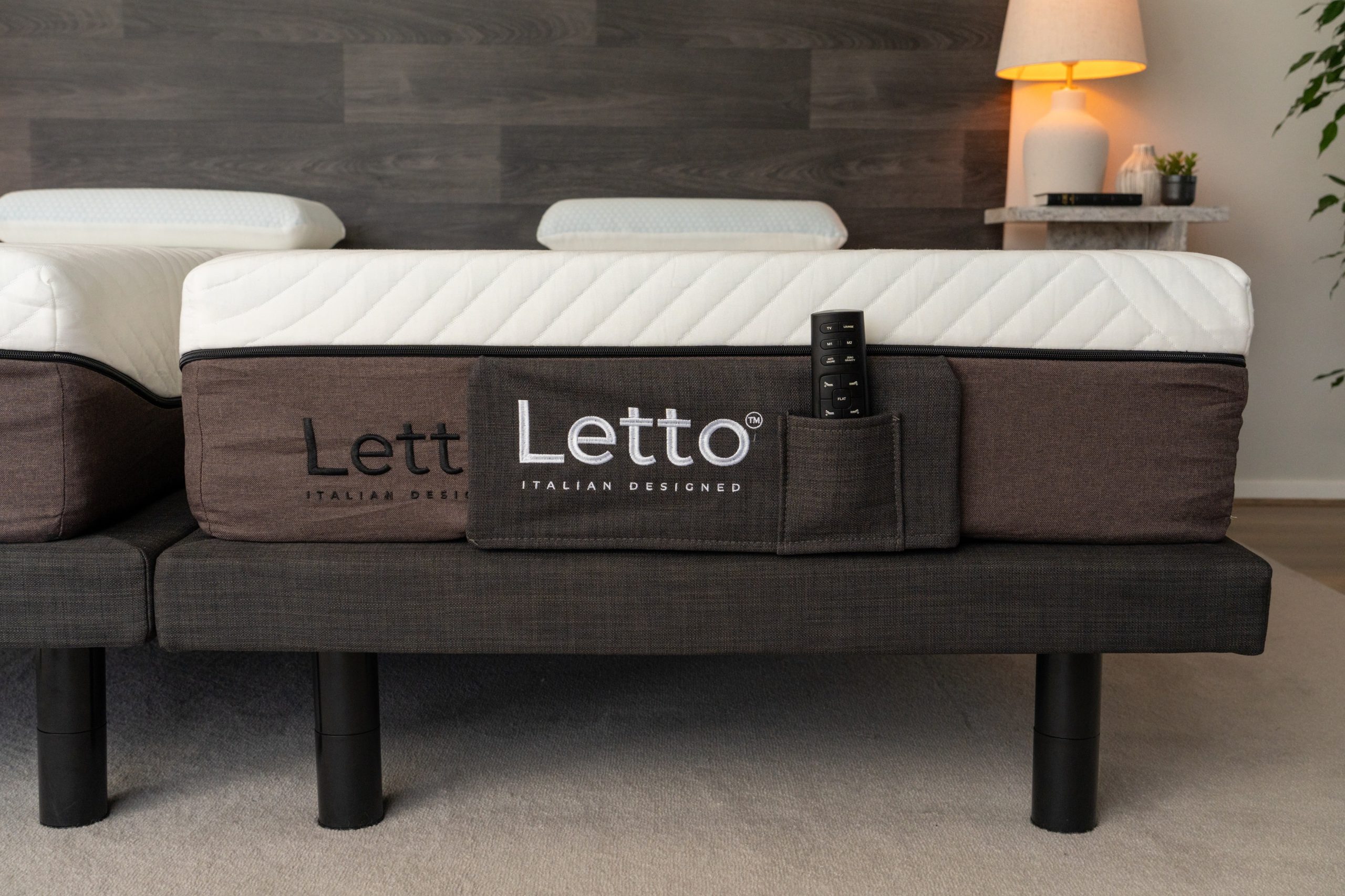
At Letto, we design Italian-engineered adjustable bed bases built for Australians who want to sleep better. Not because we think a bed fixes everything — but because we have seen, time and again, how the right physical support can be the missing piece.
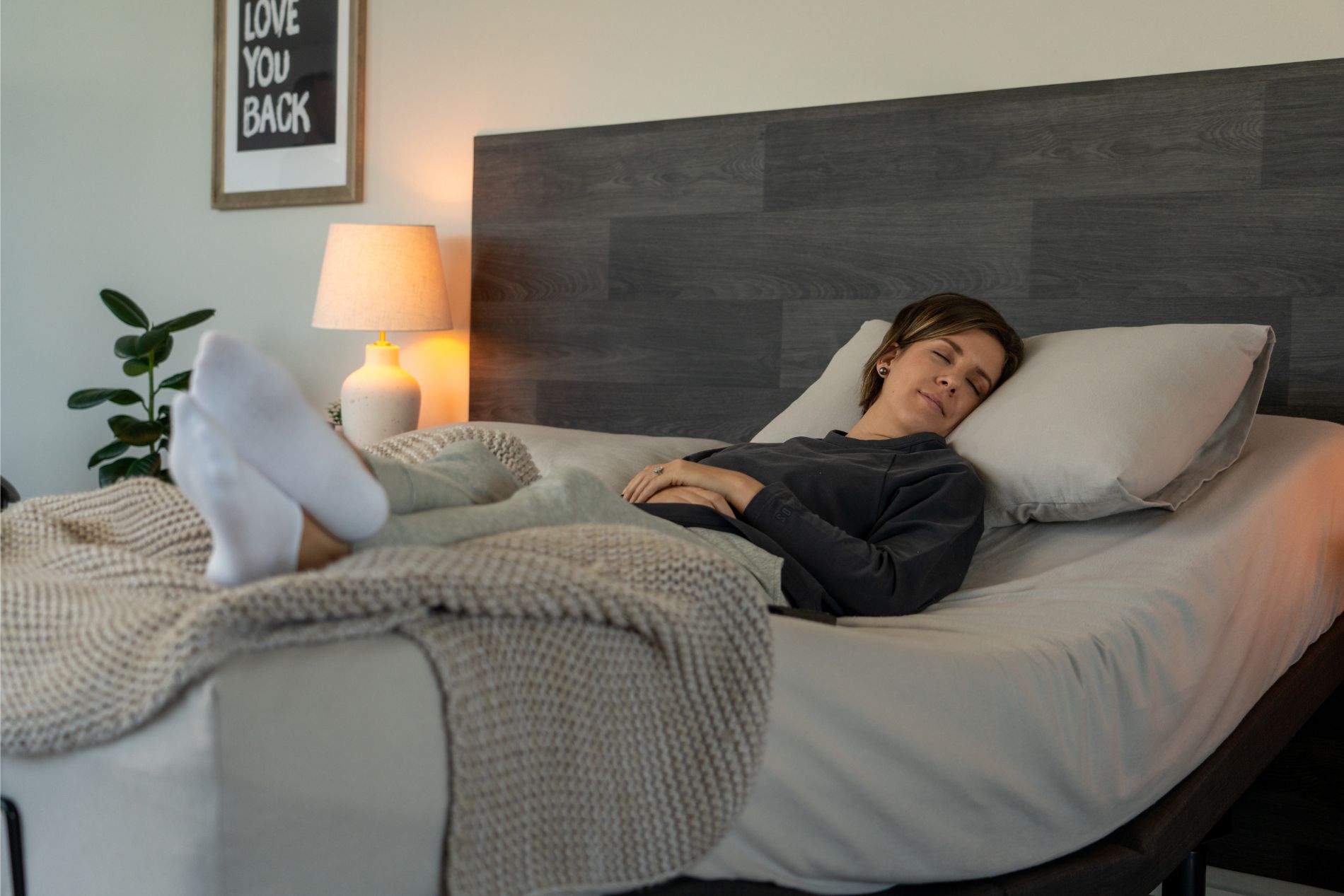
Our adjustable bases feature one-touch zero gravity positioning — inspired by NASA’s research into how the body rests in weightlessness. By gently elevating both head and legs, it reduces spinal pressure, opens the upper airway to ease snoring, and helps relieve the physical tension that keeps your nervous system on alert. For those managing back pain, arthritis, or poor circulation, this is a practical step toward calmer, more restorative nights.
While good habits and a supportive sleep environment make a genuine difference, some sleep difficulties need professional attention. If you have been struggling with sleep for more than four weeks, if daytime fatigue is affecting your ability to function, or if you are experiencing persistent low mood, anxiety, or emotional distress, please speak with your GP.
Your doctor can assess whether an underlying sleep disorder — such as obstructive sleep apnoea or chronic insomnia — may be contributing, and can refer you to a sleep specialist. Cognitive Behavioural Therapy for Insomnia (CBT-I) is the gold-standard treatment for chronic insomnia, effective for 70 to 80 per cent of patients — helping people fall asleep faster, spend less time awake during the night, and experience significant reductions in anxiety and depressive symptoms.
How does sleep affect mental health? If there is one thing the research makes clear, it is this: sleep is not a luxury. It is an active maintenance cycle for your emotional and cognitive health. When it works well, it clears stress, recalibrates mood, and gives your brain the resources to cope with whatever comes next. When it does not, those resources deplete, and the cycle tightens.
But the cycle can be broken. Small, consistent changes — a regular routine, a calmer evening, a bed that supports your body — add up. They send the right signals to a nervous system that has been stuck in overdrive.
Can a lack of sleep actually cause mental health problems, or does it just make them worse?
Both. The relationship is bidirectional. Poor sleep worsens existing anxiety and depression by disrupting emotional regulation. But it can also create mental health problems in people who did not previously have them — by elevating stress hormones, increasing amygdala reactivity, and weakening the prefrontal cortex’s calming influence. Prospective studies have found that sleep problems are actually a stronger predictor of future anxiety than anxiety is of future sleep problems.
How many hours of sleep do I need to protect my mental health?
The Sleep Health Foundation recommends seven to nine hours per night for adults aged 18 to 64. However, quality matters as much as quantity. Fragmented sleep — even over eight hours — can leave you depleted if you are not reaching enough deep and REM sleep. A consistent sleep pattern, a comfortable environment, and a calming bedtime routine all contribute to the consolidated rest your brain needs.
What is CBT-I, and is it better than sleeping pills?
CBT-I (Cognitive Behavioural Therapy for Insomnia) is a structured program that addresses the thought patterns and behaviours driving poor sleep. Unlike sleeping medication — which can be habit-forming and often suppresses restorative sleep stages — CBT-I produces lasting improvements without side effects. It is recommended as first-line treatment by the American College of Physicians, the Australasian Sleep Association, and the World Sleep Society. Ask your GP for a referral.
Can an adjustable bed really help with sleep and mental health?
An adjustable bed base will not treat a mental health condition that requires professional support. But physical discomfort is one of the most common barriers to quality sleep. If pain, reflux, or pressure points are fragmenting your rest, an adjustable base can help by allowing you to find a position that relieves pressure. Fewer micro-awakenings mean more time in deep and REM sleep, and a more emotionally resilient morning.
Why Sleep Changes After 60: What’s Normal, What’s Not, and How to Adapt Your Sleep Needs by Age
At a Glance
Your sleep needs by age don’t actually decrease — adults over 65 still need seven to eight hours of sleep per night, but the structure of that sleep changes significantly.
After 60, you spend less time in deep, restorative sleep stages and more time in lighter phases, which means you wake more easily and may feel less refreshed.
Your circadian rhythm shifts forward with age, making you feel sleepy earlier in the evening and wake earlier in the morning — it’s biology, not a choice.
A landmark Australian study found that keeping a consistent sleep schedule may be even more important for long-term health than the total amount of sleep you get.
Disclaimer: This article provides general information only and is not intended as medical advice. If you are experiencing persistent sleep difficulties, excessive daytime drowsiness, or symptoms of a sleep disorder, please consult a qualified healthcare professional. In Australia, you can speak to your GP, contact Beyond Blue on1300 22 4636, or call Lifeline on 13 11 14.
If you’re over 60 and feel like your sleep just isn’t what it used to be, you’re not imagining things. Maybe you drift off earlier in the evening but find yourself wide awake at 4 am. Maybe you’re sleeping the same hours of sleep you always have, but waking up feeling like none of it counted. Or maybe you’ve simply noticed that sleep has become lighter, choppier, and easier to disrupt.
You’re far from alone. According to the Australian Institute of Health and Welfare, close to half of all Australian adults report at least two sleep-related problems — and that figure rises sharply in older age groups. The Sleep Health Foundation notes that sleep problems tend to increase when there’s less exercise, less activity, and less natural daylight during the day — all things that tend to shift as we age.
Here’s the reassuring news: understanding how and why your sleep needs change by age is the first step towards adapting. Most age-related sleep changes are completely normal. Many of the factors that disrupt sleep are within your control. And there are practical, evidence-based strategies that can make a genuine difference to the quality of rest you’re getting — no matter your age. The sections below break down exactly how sleep needs by age play out — and what you can do about each one.
How Sleep Architecture Changes After 60
To understand why sleep feels different as you get older, it helps to know a little about how sleep works. Your body doesn’t just switch off at night. It moves through a carefully orchestrated series of sleep cycles — typically four to six per night — each containing distinct stages with different jobs.
You Spend Less Time in Deep Sleep
The biggest shift happens in deep sleep, or N3 — the phase where your body does its most intensive repair work, strengthens your immune system, and clears metabolic waste from the brain. Research published in the journal Sleep Medicine Reviews shows that deep sleep declines steadily across adulthood, at roughly two per cent per decade from young adulthood onwards. By the time you’re in your sixties and seventies, the amount of deep sleep you get may be markedly reduced compared to your younger years.
At the same time, REM sleep — the stage critical for memory consolidation and emotional regulation — declines gradually across adulthood and plateaus around age 60. The practical result? You spend proportionally more time in the lighter stages of NREM sleep, which are far more susceptible to disturbance. A passing car, a partner shifting in bed, or a trip to the bathroom can pull you out of sleep entirely.
Sleep Efficiency Keeps Declining
Sleep efficiency — the percentage of time in bed that you actually spend asleep — is one sleep measure that continues to decline beyond the age of 60 and even into the nineties. Older adults tend to take longer to fall asleep, wake more frequently during the night, and accumulate more total time lying awake. A completely healthy 70-year-old may wake several times per night without any underlying condition — simply because the architecture of sleep has become inherently less stable.
Your Circadian Rhythm Shifts Forward
Alongside the structural changes in your sleep cycles, your internal body clock — your circadian rhythm — undergoes a pronounced forward shift with age. This is driven by changes in the suprachiasmatic nucleus, a tiny region of the brain that acts as your master timekeeper.
In practical terms, this means your body starts telling you to sleep earlier (sometimes as early as 7 or 8 pm) and wakes you earlier (3 or 4 am is common). It’s not a lifestyle choice or a habit — it’s a genuine physiological shift in your sleep patterns.
This phase advance is closely linked to changes in melatonin, the hormone that signals darkness and helps initiate sleep. As we age, the body produces less melatonin overall, and the peak of its release occurs earlier in the evening. This reduced melatonin amplitude can make it harder to fall asleep at your usual time and harder to stay asleep through the full night.
What Else Can Disrupt Sleep After 60?
While some changes to sleep are a normal part of ageing, major disruptions are often driven by factors that can be identified and, in many cases, addressed. The Sleep Health Foundation is clear on this point: sleep disorders are not an inevitable part of growing older.
Medications That Interfere With Rest
The list of common medications that can disrupt sleep is longer than most people realise. Beta-blockers prescribed for blood pressure, for example, can suppress the body’s natural melatonin production, leading to insomnia and vivid nightmares. Certain antidepressants (SSRIs and SNRIs) can alter the neurotransmitters involved in sleep architecture. Diuretics increase nighttime bathroom visits. Even over-the-counter cold and flu tablets containing pseudoephedrine can act as stimulants that delay sleep onset.
If you’re taking multiple medications and your sleep has worsened, it’s worth having a thorough medication review with your GP. Australian guidelines from NPS MedicineWise strongly advocate for regular reviews to identify prescription and over-the-counter drugs that may be inadvertently affecting your rest.
Chronic Pain, Breathing Issues, and Other Health Conditions
Chronic pain from conditions like osteoarthritis or spinal stenosis sends continuous signals to the brain that can prevent you from settling into deeper sleep stages. Making things worse, poor sleep actually lowers your pain threshold the following day, creating a cycle that’s hard to break.
Obstructive Sleep Apnoea (OSA) is also exceptionally common in older adults and often goes undiagnosed because the symptoms can be atypical — daytime drowsiness, morning headaches, or nocturia rather than the classic loud snoring. Acid reflux, restless legs, and cardiovascular conditions that cause breathlessness when lying flat can all further compromise sleep quality.
Reduced Activity and Social Isolation
There’s a straightforward physiological principle at work here: if your body doesn’t build up enough sleep pressure during the day, you won’t sleep as deeply at night. Retirement, reduced mobility, and spending more time indoors all contribute. The Sleep Health Foundation notes that sleep problems increase significantly when there isn’t enough exercise or engaging activity during the day.
Social isolation compounds this. Less time outdoors means less exposure to natural sunlight — the primary signal that keeps your circadian rhythm properly calibrated. Without that daily dose of bright light, the body’s melatonin production curve flattens further, and the drive to sleep at a consistent time weakens.
The issue isn’t napping itself — it’s the length and timing. A long afternoon nap (anything beyond 20 to 30 minutes, or napping after 2 pm) can cannibalise the sleep pressure you need for a solid night. This creates a frustrating loop: poor nighttime sleep leads to daytime napping, which leads to poorer nighttime sleep.
Practical Ways to Improve Your Sleep After 60
Once you understand how sleep needs by age shift, the practical adjustments become much clearer. The evidence is encouraging. While you can’t reverse the natural ageing of your sleep architecture, there’s a great deal you can do to work with these changes rather than against them. The foundation of better rest at any age comes down to consistent, practical good sleep habits.
Keep Your Schedule Consistent — Even on Weekends
This may be the single most powerful thing you can do. A landmark study led by researchers at Monash University analysed over 10 million hours of sleep data from nearly 61,000 participants (average age 62.8) and found that people with the most regular sleep schedules had a 20 to 48 per cent lower risk of all-cause mortality compared to those with the most irregular patterns. Remarkably, sleep regularity was a stronger predictor of health outcomes than total sleep duration.
Bright, natural light in the morning is the most powerful tool for anchoring your circadian rhythm. Try to get outside for at least 20 to 30 minutes within an hour or two of waking — a morning walk, a cup of tea on the patio, or time in the garden all count.
In the evening, the opposite applies. The blue light emitted by phones, tablets, and television screens suppresses melatonin production — and since older adults already have lower baseline melatonin, even modest suppression matters. Try establishing a digital sunset as part of your bedtime routine: switch off screens 60 to 90 minutes before bed and replace the scroll with something that lets your mind slow down. A book, a podcast, a crossword.
One important note on timing: vigorous exercise within three hours of bedtime can elevate your core temperature and heart rate, potentially delaying sleep onset. Aim for morning or afternoon activity where possible.
Watch What You Consume — and When
Caffeine deserves special attention after 60. The body’s ability to metabolise caffeine slows with age, meaning an afternoon cup of tea or coffee can still be circulating in your system well into the evening. Cutting off caffeine by midday is a simple adjustment that can make a noticeable difference.
Alcohol is another common disruptor. While a glass of wine might help you feel drowsy, alcohol suppresses REM sleep and worsens sleep-disordered breathing, often causing fragmented, low-quality rest in the second half of the night. Heavy meals within three hours of bed can trigger acid reflux and force the body into active digestion rather than winding down. And reducing fluid intake in the two to three hours before bed can help minimise those disruptive nighttime bathroom trips.
Create a Sleep-Friendly Bedroom
The environment matters. Harvard Health recommends keeping your bedroom cool, dark, and quiet — ideally between 18°C and 20°C, though some research suggests older adults may sleep comfortably at slightly warmer temperatures (up to 25°C) due to changes in thermoregulation. Light-blocking curtains or an eye mask, earplugs or a white noise machine, and reserving the bedroom strictly for sleep can all help reinforce the association between bed and rest. For more detailed guidance, our sleep hygiene tips cover the full checklist.
How Letto Can Help
If you’ve been working on your sleep habits but still find that physical discomfort, reflux, or restless legs are getting in the way, it may be worth looking at the surface you’re sleeping on. A traditional flat mattress doesn’t always provide the support an ageing body needs — and this is where an adjustable bed base can make a practical difference.
At Letto, we design Italian-engineered adjustable bases built specifically for Australians who want to sleep better. Independent head and foot elevation lets you find a position that genuinely supports your body — whether that’s raising your head to ease snoring and acid reflux, elevating your legs to assist venous return and reduce swelling, or using the one-touch zero gravity setting to decompress your spine. A systematic review of clinical trials found that head-of-bed elevation significantly improved reflux symptoms — gravity helps keep stomach acid where it belongs.
For couples with different needs, our Split Queen and Split King configurations allow each side to adjust independently. Built-in massage functions can help relax muscles before sleep, and under-bed lighting lets you navigate safely to the bathroom without the kind of harsh overhead light that disrupts melatonin.
Not all sleep changes are simply a normal part of ageing. The Royal Australian College of General Practitioners recommends seeing your GP if you experience persistent difficulty falling or staying asleep at least three nights per week, and the problem is affecting how you feel or function during the day — including fatigue, poor mood, difficulty concentrating, or irritability.
It’s also worth talking to your doctor if you (or your partner) notice loud snoring, gasping or choking during sleep, excessive daytime drowsiness, or an overwhelming urge to move your legs at night. These can be signs of treatable sleep disorders like obstructive sleep apnoea or restless legs syndrome, and a referral to a sleep specialist can help clarify what’s going on.
Importantly, RACGP guidelines recommend that Cognitive Behavioural Therapy for Insomnia (CBT-i) — not sleeping pills — should be the first-line treatment for chronic insomnia. Sleeping pills carry significant risks for older adults, including next-day drowsiness, increased fall risk, and potential dependency. If sleep difficulties are persistent, ask your GP about CBT-i — it’s a structured, evidence-based approach that helps address the thoughts and behaviours keeping you awake.
The connection between sleep and broader health is also worth noting here. A 2025 meta-analysis of 39 cohort studies found thatinsomnia increased the risk of dementia by 36 per cent, and obstructive sleep apnoea raised the risk by 45 per cent.Dementia Australia notes that disrupted sleep, left unaddressed over time, can increase the risk of cognitive problems and depression. Getting proper support for persistent sleep issues isn’t just about feeling better tomorrow — it’s an investment in your long-term brain health.
A Good Night’s Rest is Still Within Reach
The way you sleep at 65 or 75 will naturally be different from how you slept at 35 — and that’s okay. The architecture changes. The rhythm shifts. The body has different needs. But knowing your sleep needs by age means you can meet those needs with intention, not just hope. But the evidence is clear: restful, restorative sleep is not something you lose permanently with age. It’s something you can actively support with the right habits, the right environment, and — when needed — the right professional guidance.
Small changes, applied consistently, add up. A steady wake time. Morning sunlight. A walk after lunch. A bedroom that’s cool, dark, and free from screens. These aren’t dramatic interventions — they’re the quiet foundations of good sleep hygiene that your body responds to, night after night.
No, this is one of the most common misconceptions about sleep needs by age. The CDC recommends that adults aged 65 and over still aim for seven to eight hours per night, and the Sleep Health Foundation echoes this guidance for older Australians. What changes isn’t the amount of sleep your body needs — it’s your ability to get it in a single, uninterrupted block. The architecture of sleep becomes lighter and more fragmented, which can make it feel like you need less. You don’t. If you’re consistently getting under seven hours, it’s worth exploring what’s causing the shortfall.
Why do I wake up so early now?
This is almost certainly your circadian rhythm shifting forward — a well-documented biological change that occurs with ageing. As the body produces less melatonin and releases it earlier in the evening, you naturally feel sleepier earlier and wake earlier. It’s not something you can override with willpower, but you can work with it: get bright light exposure first thing in the morning, stay physically and socially active during the day, and avoid going to bed too early (even if you feel drowsy on the couch at 7 pm). Gradually nudging your bedtime routine later, in 15-minute increments, can help realign your internal clock.
Is it okay to nap during the day?
A short nap can be genuinely refreshing and restorative — the key is keeping it brief and early. Aim for no more than 20 to 30 minutes, and try to nap before 2 pm. Anything longer or later risks reducing the sleep pressure your body needs to sleep well at night. If you find yourself needing to nap during the day regularly, and you’re still sleeping poorly at night, it’s worth discussing with your GP — it could indicate an underlying sleep disorder or a need to adjust your nighttime routine.
Can poor sleep really increase my risk of falls?
Yes — and this is particularly important for older Australians. A study analysing nearly 1,800 women found that those who frequently had trouble falling asleep had a 30 per cent higher risk of falls, and those with frequent nighttime waking had a 24 per cent increased risk. Women sleeping fewer than six hours a night had nearly double the odds of experiencing three or more falls. The mechanisms are straightforward: poor sleep impairs balance, slows reaction times, and increases daytime drowsiness. Prioritising sleep quality isn’t just about rest — it’s a practical falls-prevention strategy.
When should I see a sleep specialist?
If you’ve made consistent changes to your sleep habits — keeping a regular schedule, limiting caffeine and alcohol, staying active, optimising your bedroom — and you’re still struggling after several weeks, speak with your GP. They may recommend a referral to a sleep specialist, particularly if there are signs of obstructive sleep apnoea, restless legs, or other sleep disorders that need clinical investigation, such as an overnight sleep study. The RACGP recommends starting with a thorough sleep history and, where appropriate, validated screening tools before specialist referral.
Acid Reflux Keeping You Up? Here’s Which Side to Sleep On (and Why Elevation Matters)
The Quick Answer
Sleep on your left side: Research shows it reduces acid exposure and helps acid clear faster from your oesophagus
Elevate the head of your bed by about 20cm: Healthdirect Australia recommends this as a first-line, drug-free approach
Avoid stacking pillows: They bend your neck without lifting your torso, and you’ll slide down by morning anyway
Consider an adjustable bed base: It maintains consistent, comfortable elevation all night without shifting or slipping
Why Reflux Loves to Strike When You’re Lying Down
If you’ve ever woken up with that unmistakable burning sensation creeping up your chest, you’re certainly not alone. Around one in five Australians regularly experience reflux or heartburn — and for most of them, nighttime is when symptoms hit hardest.
Here’s the thing: during the day, gravity is doing you a favour. When you’re upright, it helps keep your stomach contents exactly where they should be — in your stomach. But the moment you lie flat? That assistance disappears.
As the Victorian Government’s Better Health Channel explains, “food inside the stomach is only kept there by the force of gravity.” When you recline, acid can pool near the lower oesophageal sphincter (the valve between your stomach and oesophagus), making it far easier for acid to escape upward.
To make matters worse, you produce less saliva while sleeping — your body’s natural acid neutraliser — and you swallow less frequently. It’s a perfect storm for nighttime discomfort.
The numbers are striking: Studies show that 74-79% of people with frequent heartburn experience symptoms at night. Of those, three-quarters say it affects their sleep quality, and 40% feel it impacts how they function the next day. Sound familiar?
Disclaimer: This article provides general wellness information only and is not intended as medical advice, diagnosis, or treatment. If you experience persistent, worsening, or concerning reflux symptoms, please consult your GP or a qualified healthcare professional.
Left vs Right
Let’s cut straight to it: your left side is the clear winner.
Medical research consistently shows that left-side sleeping reduces acid exposure time by approximately 2-3% compared to sleeping on your back or right side. That might sound modest, but it translates to meaningfully less acid making contact with your sensitive oesophageal tissue throughout the night.
A 2023 systematic review published in the World Journal of Clinical Cases found that left-side sleeping also improved how quickly acid clears from your oesophagus — by around 82 seconds per episode compared to right-side sleeping.
The Anatomy Behind the Advice
It comes down to anatomy — and it’s actually quite clever once you understand it.
Your stomach isn’t centred in your body; it curves to the left. When you sleep on your left side, the junction between your oesophagus and stomach sits above the level of your stomach contents. Researchers describe this as keeping your oesophagus “above sea level.” Any acid that tries to escape has to work against gravity to reach your throat.
Sleep on your right side? The opposite happens. Your stomach ends up positioned above that junction, creating what gastroenterologists call a “leaky faucet” scenario — acid lingers longer and causes more irritation.
There’s another factor too: studies show that lying on your right side actually triggers more frequent relaxations of that lower oesophageal sphincter. More relaxations mean more opportunities for acid to sneak through.
Why a Small Lift Makes a Big Difference
Here’s where things get practical. Healthdirect Australia specifically recommends “safely raising the head of your bed by about 20cm with something strong, such as a piece of wood or wooden blocks.”
NPS MedicineWise echoes this guidance, noting that a 20cm elevation “can help if you have reflux symptoms at night and they disrupt your sleep.”
The clinical evidence backs this up convincingly. A systematic review examining five controlled trials found that head-of-bed elevation produced a risk ratio of 2.1 for symptom relief — meaning patients were twice as likely to improve with elevation compared to sleeping flat.
The key point: You need to be raised from the waist up, not just your head. This distinction matters both for reflux effectiveness and for keeping your spine happy. Which brings us to an important question…
Why Your Pillow Fort Isn’t Fooling Anyone (Especially Your Reflux)
We get it — piling up a few extra pillows seems like the easy solution. But multiple medical authorities actually warn against this approach.
The Mayo Clinic states that “adding more pillows usually isn’t effective as it can increase pressure on the stomach.” Cleveland Clinic gastroenterologist Dr Scott Gabbard explains the problem clearly: “Regular pillows only elevate your head, which isn’t enough to prevent acid reflux.”
Here’s what actually happens when you stack pillows:
Your neck bends forward awkwardly while your stomach stays at the same level
Your abdomen may actually get compressed, increasing pressure on the sphincter
You wake up with neck pain and stiffness
You slide down throughout the night, ending up flat anyway
A systematic review comparing different elevation methods found that 60% of patients preferred proper bed elevation, while only 33% favoured wedge pillows — largely due to comfort issues and that frustrating tendency to slide down during sleep.
What Actually Works: Elevating Your Whole Upper Body
Maintains consistent elevation throughout the night without shifting
Supports your entire upper body along a gradual, ergonomic incline
Allows you to find your perfect angle — whether that’s a gentle 15-degree lift or something steeper
Lets you change positions naturally while maintaining elevation
Returns to flat whenever you want it to
For couples, split adjustable bases mean one partner can elevate for reflux relief while the other sleeps flat — no compromises required.
If you’re weighing up whether an adjustable base makes sense for your situation, our guide on whether adjustable bed bases are worth it breaks down the practical considerations.
Flat vs Elevated: What the Research Actually Shows
Sleeping Flat
Sleeping Elevated (15-20cm)
Gravity’s role
Works against you — acid pools near the sphincter
Works for you — acid stays in the stomach
Acid clearance
Slower; acid lingers in the oesophagus
Faster; acid drains back down more quickly
Symptom frequency
Higher — up to 79% of reflux sufferers report nighttime symptoms
Reduced — studies show ~2x likelihood of improvement
Sleep quality
Frequently disrupted by discomfort
More restful; fewer wake-ups
Long-term risks
Higher risk of oesophageal complications
Lower acid exposure reduces complication risk
Age and Reflux: Why This Matters More as We Get Older
If you’re reading this for a parent or older loved one, here’s some important context.
Australian research indicates that around 7.5% of the population has diagnosed GORD (gastro-oesophageal reflux disease), while true prevalence likely reaches 10-15% when you include people managing symptoms without a formal diagnosis. That’s roughly two million Australians.
Prevalence increases significantly with age. Meta-analyses show GORD is more common in people over 50, and research suggests approximately 59% of people over 65 experience heartburn or regurgitation at least monthly.
Here’s the concerning part: Australian Prescriber notes that elderly patients often have fewer typical symptoms despite having more severe underlying disease. Studies show 81% of patients over 60 have oesophagitis or Barrett’s oesophagus compared to 47% of younger patients — meaning complications may be developing silently.
This is why practical, consistent strategies like proper sleep positioning become so valuable. And it’s also why persistent symptoms always warrant a conversation with a GP.
Daily Habits That Calm Nighttime Reflux
Positioning is powerful, but it works best as part of a broader approach. Here are the evidence-backed strategies that complement what we’ve discussed:
Mind Your Meal Timing
Australian health authorities consistently recommend eating your evening meal at least 2-3 hours before bed. Your stomach needs time to empty before you lie down. Smaller, more frequent meals also help reduce the volume of stomach contents available to reflux.
Consider Your Weight
This carries the strongest evidence among lifestyle modifications. Australian Prescriber reports that even modest weight loss can reduce frequent symptoms by nearly 40%.
Identify Your Triggers
Common culprits include coffee, alcohol, fatty foods, spicy dishes, soft drinks, citrus, chocolate, and tomatoes — but everyone’s different. NPS MedicineWise recommends keeping a food diary to identify your personal triggers rather than unnecessarily eliminating entire food groups.
If You Smoke, Consider Quitting
Research found that quitting “almost halved the severity of reflux symptoms” in people taking regular medication. Smoking directly weakens the lower oesophageal sphincter.
For a deeper dive into habits that support restful sleep, our guide on good sleep hygiene covers the fundamentals.
When It’s Time to Talk to Your Doctor
While positioning and lifestyle changes help many people, some situations call for medical advice. Healthdirect Australia recommends seeing your GP if:
Heartburn occurs more than twice weekly
Over-the-counter medications aren’t helping
You’re relying on antacids frequently
Symptoms change or worsen over time
Seek prompt medical attention if you experience difficulty swallowing, painful swallowing, unexplained weight loss, vomiting blood, dark or tarry stools, or unusual fatigue.
Important: Some reflux symptoms overlap with heart attack warning signs. Healthdirect Australia is clear: call Triple Zero (000) immediately if you experience chest pain lasting more than a few minutes, shortness of breath, pain radiating to your jaw, arm, back or neck, sudden sweating, nausea, or lightheadedness.
For non-emergency health questions, Australians can call the Healthdirect helpline on 1800 022 222 to speak with a registered nurse 24 hours a day.
Combining Both Strategies
The most effective approach combines left-side sleeping with head elevation. A randomised controlled trial found that left-side-down with incline had significantly less oesophageal acid exposure than any other combination, including using a wedge while sleeping on the right side, which actually produced the worst outcomes despite the elevation.
For those considering an adjustable bed, a gradual incline of approximately 15-20 degrees (or 15-20cm elevation at the head) aligns with clinical evidence. The ability to customise your position — and return to flat sleeping when desired — offers practical flexibility that fixed wedges or bed blocks simply can’t match.
How Letto Can Help You Sleep More Comfortably
At Letto, we understand that managing reflux isn’t just about symptom relief — it’s about reclaiming restful, uninterrupted sleep. Our adjustable bed bases are designed with exactly this kind of comfort in mind: smooth, quiet elevation that lets you find your ideal angle without disturbing your partner, and sturdy Australian-designed construction that won’t sag or shift over time.
Unlike cheap wedge pillows that flatten out or bed blocks that create an awkward fixed angle, an adjustable base gives you control. Feeling good tonight? Sleep flat. Reflux flaring up? Raise the head with the touch of a button. It’s practical, long-term comfort that adapts to your body’s needs — not the other way around.
Pair your adjustable base with a supportive Letto mattress designed to work beautifully on an adjustable frame, and a quality pillow that complements elevated sleeping. Or explore our adjustable bed package deals to get everything you need in one go — at a better price.
Which side should I sleep on for acid reflux — left or right?
Sleep on your left side. Research consistently shows left-side sleeping reduces acid exposure and improves how quickly acid clears from your oesophagus. Your stomach’s anatomy means the junction with your oesophagus sits higher when you’re on your left, making it harder for acid to escape upward.
How high should I raise the head of my bed for reflux?
Healthdirect Australia recommends raising the head of your bed by approximately 20cm (about 8 inches). This can be achieved with bed blocks, a wedge pillow, or an adjustable bed base — which offers the most consistent and comfortable elevation.
Can I just use extra pillows instead of raising my bed?
Unfortunately, stacking pillows isn’t very effective and can actually make things worse. Pillows elevate your head but not your torso, potentially compressing your stomach and increasing pressure. They also tend to shift during sleep, leaving you flat by morning. Proper whole-torso elevation is more effective.
Is it safe to sleep elevated every night?
Yes, for most people. Elevating your upper body along a gradual incline is gentle on your spine when done correctly — unlike bending at the neck with stacked pillows. If you have specific spinal conditions, check with your healthcare provider. An adjustable bed allows you to find the angle that feels most comfortable for you.
How long before bed should I stop eating to reduce reflux?
Australian health guidelines recommend finishing your evening meal at least 2-3 hours before lying down. This gives your stomach time to empty, reducing the volume of contents that could potentially reflux when you recline.
Sleep Better Tonight
Nighttime reflux doesn’t have to mean broken sleep and groggy mornings. The evidence clearly supports two straightforward strategies: elevate the head of your bed by around 20cm, and favour your left side when sleeping. These approaches align with recommendations from Healthdirect Australia, NPS MedicineWise, and international gastroenterology guidelines.
For older Australians, especially those who face higher reflux rates and complication risks, combining smart positioning with lifestyle adjustments around meal timing, weight, and triggers can meaningfully improve both symptom control and sleep quality.
The science behind your brain’s built-in cleaning system – and why deep, uninterrupted sleep may be the most important thing you do for your long-term brain health.
At a Glance
Your brain has its own cleaning system: Called the glymphatic system, it flushes out waste products — including proteins linked to Alzheimer’s disease — while you sleep.
Deep sleep is when the real work happens: During slow-wave sleep, your brain’s cleaning channels open wide, allowing cerebrospinal fluid to wash through and carry away the day’s metabolic debris.
Poor sleep doesn’t just leave you tired — it leaves waste behind: Even a single night of disrupted sleep can reduce your brain’s ability to clear harmful proteins, and the effects compound over time.
Several everyday factors affect how well this system works, including stress, bedroom temperature, your sleep position, and how well your body is supported during the night.
This guide explains what the glymphatic system is, why it matters as you age, and practical steps to support it — particularly for older Australians who want to protect their memory, clarity, and long-term brain health.
Disclaimer: This article provides general information only and is not intended as medical advice. The glymphatic system is a subject of ongoing scientific research, and individual health conditions vary. If you or a loved one are experiencing persistent sleep difficulties, cognitive concerns, or symptoms of a neurological condition, please consult a qualified healthcare professional. In Australia, you can speak to your GP, call the National Dementia Helpline on 1800 100 500, or contact Lifeline on 13 11 14.
You’ve probably heard the advice a thousand times: get more sleep. Sleep is important. You’ll feel better if you rest.
But what if the reason sleep matters goes far deeper than “feeling better”? What if your brain physically needs you to be asleep — not just to rest, but to clean itself? Research increasingly shows that sleep impacts memory, mood, and long-term brain health in ways science is only beginning to understand.
That’s exactly what scientists discovered just over a decade ago. And for anyone over 60 — or anyone who cares about someone in that age group — it may be one of the most important discoveries in modern brain science.
It’s called the glymphatic system. Think of it as a night-shift cleaning crew for your brain. And its favourite working hours? Deep sleep.
What Is the Glymphatic System?
Every organ in your body has a waste removal system — your liver filters toxins, your kidneys flush metabolic waste, and your lymphatic system drains cellular debris. For decades, scientists assumed the brain was the exception. Despite being the most metabolically active organ in the body — using roughly 20% of your total energy — it appeared to have no dedicated cleaning infrastructure.
Then, in 2012, a team led by neuroscientist Maiken Nedergaard at the University of Rochester identified a previously unknown waste clearance pathway running through the brain. They named it the glymphatic system — a combination of “glial” (the support cells that make it work) and “lymphatic” (the body’s existing waste drainage network it resembles).
Here’s how it works, in simple terms. Your brain is bathed in a clear fluid called cerebrospinal fluid, or CSF. During sleep, this fluid is pumped along channels that surround your brain’s blood vessels — like water flowing through pipes that run alongside the plumbing. As it moves through the brain tissue, it picks up waste products generated by your brain’s daily activity: spent proteins, metabolic byproducts, and cellular debris. The “dirty” fluid then drains out of your skull via lymphatic vessels in the protective membranes around your brain, eventually reaching lymph nodes in your neck.
Think of it like a dishwasher that only runs at night. During the day, your brain is too busy processing, thinking, and responding to the world to clean up after itself. It’s only when you switch off — when you fall into deep, restorative sleep — that the cleaning cycle begins.
Why Deep Sleep Is the Key
Not all sleep is created equal when it comes to brain cleaning. The glymphatic system doesn’t operate at full capacity across every stage of sleep. It’s most active during slow-wave sleep (also called deep sleep or NREM Stage 3) — the phase characterised by long, slow delta brain waves. While REM sleep plays a vital role in memory consolidation and emotional processing, it’s NREM sleep that provides the conditions the glymphatic system needs to do its heaviest work.
A landmark study published in Science showed that during deep sleep in mice, the spaces between brain cells expanded by approximately 60%. This expansion dramatically reduced resistance to fluid flow, allowing cerebrospinal fluid to wash through the brain far more effectively than during wakefulness. It was as though the brain was physically opening its doors to let the cleaning crew in.
The chemical trigger for this? A shift in norepinephrine, one of your brain’s key arousal chemicals. During wakefulness, norepinephrine keeps your brain alert and its cells packed tightly together. As you sink into deep sleep, norepinephrine levels drop, the cellular architecture relaxes, and the cleaning channels open up. A 2025 study published in Cell refined this picture further: it’s not simply that norepinephrine disappears during sleep, but that it oscillates in slow, rhythmic waves — and those waves act like a pump, driving fluid through the brain in coordinated surges.
This is why understanding how sleep works matters so much. Deep sleep typically occurs in the first half of the night. If you’re going to bed late, waking frequently, or sleeping in an environment that prevents you from reaching deep sleep, you may be cutting into the very window your brain needs most.
What This Means for Your Brain as You Age
The glymphatic system doesn’t just clear generic “waste.” Among the most important substances it removes are amyloid-beta and tau — two proteins that, when they accumulate, form the plaques and tangles associated with Alzheimer’s disease and other neurodegenerative diseases. Over time, this accumulation can contribute to cognitive impairments ranging from mild memory lapses to full dementia.
A human PET imaging study found that even a single night of sleep deprivation led to a measurable increase in amyloid-beta accumulation in brain regions vulnerable to Alzheimer’s. And a 2026 study published in Nature Communications — the first of its kind in humans — confirmed that sleep-active glymphatic clearance moves both amyloid-beta and tau from the brain into the bloodstream. When sleep was disrupted, that clearance was significantly reduced.
This research matters for all of us, but it carries particular weight for older Australians. According to Dementia Australia, approximately 446,500 Australians are currently living with dementia, and that number is projected to nearly double by 2054. Dementia is now the leading cause of death in Australia. And while genetics play a role, the Lancet Commission on Dementia Prevention estimates that up to 45% of dementia cases may be attributable to modifiable risk factors — with sleep disturbances now listed among them.
Here’s the challenge: as we age, deep sleep naturally decreases. Night waking becomes more frequent. Circadian rhythms can shift earlier, leading to fragmented nights. And conditions like chronic pain, arthritis, or sleep apnoea further erode sleep quality — reducing time in the deep sleep stages that power the glymphatic system at exactly the age when efficient brain clearance matters most.
This doesn’t mean decline is inevitable. It means that protecting and supporting deep sleep becomes increasingly important with age — and that starts with understanding what helps and what gets in the way.
What Affects Your Brain’s Cleaning Cycle
The glymphatic system isn’t something you can switch on and off by willpower. But several factors influence how well it works — and many of them are within your control.
Stress
Chronic stress keeps your norepinephrine and cortisol levels elevated. As we’ve seen, norepinephrine is the chemical that suppresses glymphatic function during wakefulness. When stress keeps it running high into the evening, your brain struggles to shift into cleaning mode even after you fall asleep. Animal research has shown that chronic stress can significantly impair glymphatic transport, and a 2025 study in humans linked elevated cortisol with reduced glymphatic function in people with depression.
A consistent bedtime routine — reading, gentle stretching, dimming the lights — helps signal to your nervous system that the day is over. It’s not indulgent. It’s preparation for the most important maintenance cycle your brain runs.
Bedroom Temperature
Your core body temperature needs to drop slightly to initiate deep sleep. A bedroom that’s too warm can prevent this drop and keep you in lighter sleep stages where glymphatic activity is lower. Most sleep experts recommend keeping your bedroom around 18°C (65°F) — cool enough to support that natural thermoregulatory dip without being uncomfortable.
Sleep Position and Physical Comfort
Your body’s position during sleep influences how fluid drains from your brain. A 2015 study in the Journal of Neuroscience found that in rodents, the lateral (side) sleeping position was the most efficient for glymphatic transport — the position that most of us naturally adopt. While this hasn’t yet been replicated in humans, the underlying mechanism is straightforward: side sleeping keeps the neck and jugular veins in a neutral position, supporting the drainage of fluid from the skull.
What the evidence does clearly show in humans is that head elevation — even a modest incline of 10–30 degrees — supports venous drainage from the brain and reduces airway obstruction that can fragment sleep. Research presented at the Associated Professional Sleep Societies found that adults using an adjustable bed base experienced increased total sleep time, fewer awakenings, and reduced time spent awake during the night. Multiple studies have also shown that mild head elevation reduces snoring and mild sleep apnoea severity by roughly 30%, and every prevented micro-arousal is another opportunity for your brain to stay in the deep sleep stages that matter.
Physical discomfort matters, too. A mattress that creates pressure points at the hips and shoulders triggers low-level pain signalling that prevents sustained entry into slow-wave sleep. If you’re waking because of pain, stiffness, or numbness, your glymphatic system is being interrupted before it can finish its work.
How Letto Can Help
At Letto, we design Italian-engineered adjustable bed bases built for Australians who want to sleep better — and stay healthier as they age.
Our adjustable bases feature one-touch zero gravity positioning, which raises your head and legs to distribute your weight evenly, reduce spinal pressure, and support the kind of comfortable, uninterrupted sleep your brain needs for its nightly cleaning cycle. The position is inspired by NASA’s research into the posture the body naturally assumes when free of gravitational stress — adapted for real-world comfort with a gentle head elevation that supports venous drainage and airway patency.
For couples, our Split Queen,Split King, and Split Super King options mean each person can adjust independently — so one partner can elevate for comfort while the other sleeps flat.
If you’re an older Australian managing back pain, arthritis, acid reflux, or snoring — all of which fragment sleep and reduce time spent in deep, restorative stages — an adjustable base is a practical step toward protecting the sleep quality your brain depends on. Explore our package deals, learn why families across Australia trust Letto, or get in touch with our team.
Sleep Is Brain Maintenance
We used to think of sleep as downtime — a passive pause between productive hours. The discovery of the glymphatic system tells a different story. Sleep is an active, essential maintenance cycle. It’s when your brain takes out the rubbish, clears the debris from another day of thinking, and prepares itself to function clearly tomorrow.
You can’t control every variable. But you can build a sleep environment that gives your brain the best possible chance to do what it was designed to do.
What exactly does the glymphatic system clean out of the brain?
The glymphatic system clears a range of metabolic waste products that accumulate during normal brain activity. The most significant are amyloid-beta and tau — two proteins that, in their soluble form, are routinely cleared during sleep but which form the plaques and tangles associated with Alzheimer’s disease when they accumulate. The system also removes other metabolic byproducts, spent neurotransmitters, and cellular debris. Research has also shown that the glymphatic system plays a role in clearing tau after traumatic brain injury — suggesting that sleep quality may be particularly important during recovery from head injuries. Research published in Nature Communications in 2026 confirmed for the first time that the glymphatic system clears both amyloid-beta and tau from the human brain during sleep.
Can I improve my glymphatic function, or does it just decline with age?
While glymphatic efficiency does naturally decrease with age — largely due to reduced deep sleep and age-related changes to the brain’s fluid channels — the system remains responsive to lifestyle factors. Prioritising good sleep hygiene, managing stress, keeping your bedroom cool, staying physically active, and ensuring your sleep environment supports comfortable, uninterrupted rest can all help maintain the conditions your brain needs for effective clearance. A 2025 study of older adults found that those with better sleep quality showed higher markers of glymphatic function and performed better on memory tasks.
Does sleeping on your side really help your brain clean itself?
A widely cited 2015 study found that side sleeping was the most efficient position for glymphatic transport — but it’s important to note that this was conducted in rodents under anaesthesia, and no human study has yet replicated the finding directly. That said, side sleeping is the most common human sleep posture and is generally recommended by sleep experts for airway patency and spinal alignment. If you’re comfortable on your side, there’s good reason to stay there. The most important factor is uninterrupted sleep quality — whatever position allows you to reach and sustain deep sleep is the one that best supports your brain’s cleaning cycle.
Is there a link between sleep quality and dementia risk?
Yes, and the evidence is growing. The Lancet Commission on Dementia Prevention now lists sleep disturbances among 14 modifiable risk factors, estimating that up to 45% of dementia cases could potentially be prevented through lifestyle changes. Human PET studies show that even one night of poor sleep increases amyloid-beta accumulation in vulnerable brain regions, and longitudinal research links reduced glymphatic function with poorer memory performance in older adults. This doesn’t mean poor sleep causes dementia — but it does suggest that protecting sleep quality, particularly deep sleep, is one of the meaningful steps you can take to support long-term brain health. Our guide on sleep debt explains how the effects of lost sleep accumulate over time.
Do sleeping pills help or hinder the glymphatic system?
This is an important and evolving question. A 2025 study published in Cell found that the common sleep aid zolpidem actually suppressed the norepinephrine oscillations that drive glymphatic clearance during sleep — meaning that while the medication helped subjects fall asleep, their brains may not have been cleaning themselves as effectively. This doesn’t mean all sleep medication is harmful, and anyone currently taking prescribed sleep aids should speak with their doctor before making changes. But it does reinforce the value of non-pharmaceutical approaches to sleep — building a consistent bedtime routine, creating a comfortable sleep environment, and addressing the physical factors (like pain, snoring, or an uncomfortable bed) that fragment sleep in the first place.
Understanding the two-way relationship between restless nights and a restless mind — and what you can do about it.
At a Glance
Sleep and anxiety share a two-way relationship: Poor sleep can make anxiety worse, and anxiety can lead to difficulty falling asleep — it’s biology, not a character flaw.
Broken sleep changes your brain: Sleep deprivation heightens your stress response, weakens emotional regulation, and disrupts REM sleep — your brain’s built-in system for processing stress and anxiety.
Older Australians are particularly affected: Age-related changes to sleep architecture, combined with conditions like chronic pain and nocturia, can fuel a cycle of disruptive sleep and heightened anxiety.
Small, practical changes make a genuine difference: A consistent bedtime routine, gentle stretching, deep breathing techniques, and proper bed support can help calm the nervous system and improve sleep hygiene.
This guide covers what’s happening, why it matters, and what you can do about it — particularly for older Australians dealing with stress and anxiety, or their families looking for answers.
Disclaimer: This article provides general information only and is not intended as medical advice. If you or a loved one are experiencing persistent sleep difficulties, anxiety, or symptoms of a mental health condition, please consult a qualified healthcare professional. In Australia, you can speak to your GP, call Beyond Blue on 1300 22 4636, or contact Lifeline on 13 11 14.
Think about the last time you had a truly terrible night’s sleep. Not just a short one — a broken one. The kind where you drift off, wake at 2 am, lie there for an hour, doze again, and then surface at 4:30 am with a tight chest and a head full of thoughts you didn’t ask for.
How did the next day feel?
For most people, it’s not just tiredness. It’s something sharper. A shorter fuse. A knot of worry that sits heavier than usual. A sense that everything feels harder to cope with. That isn’t a weakness. According to the Sleep Health Foundation, nearly 60% of Australian adults report at least one sleep problem, and the consequences go far beyond feeling groggy. Even a temporary lack of sleep reaches into your mood, your patience, and your ability to manage stress.
If you’re dealing with poor sleep— or you’re watching a parent or loved one struggle with restless nights and rising worry — this one’s worth reading.
Sleep and Anxiety: A Two-Way Street
For decades, the medical world treated poor sleep as a side effect of anxiety. Fix the anxiety, and sleep would follow. But modern research has turned that assumption on its head.
Broken sleep doesn’t just result from anxiety — it actively creates it, even in people who weren’t anxious to begin with. A large-scale study of more than 16,000 adults with an average age of 57 found that sleep disturbance is actually a stronger predictor of future anxiety than anxiety is of future sleep problems. A community-based study found that people living with insomnia were significantly more likely to experience clinical anxiety, including people with anxiety disorders such as generalised anxiety disorder. And a longitudinal review concluded that sleep problems in childhood can predict higher levels of anxiety and depression later in life.
The takeaway? Sleep isn’t just something that suffers because of anxiety. When it goes wrong, it sets the stage for anxiety to take hold. That’s why understanding how sleep works is protective.
What Happens in Your Brain When Sleep Falls Apart
So why does a run of bad nights leave you feeling anxious, irritable, or emotionally fragile? There are three key mechanisms worth understanding — not because you need a neuroscience degree, but because knowing why this happens can help it feel less frightening.
Your Stress System Gets Stuck in “On” Mode
Your body’s stress response system (the HPA axis) controls how much cortisol — your primary stress hormone — floods your system. Normally, cortisol peaks in the morning and drops at night to let you wind down into deep, restorative sleep. Sleep deprivation disrupts this rhythm. Research published in Sleep found that even partial sleep loss keeps cortisol elevated well into the evening — exactly when it should be at its lowest.
The result? You’re lying in bed exhausted, but your nervous system is behaving as though there’s a threat in the room. High cortisol then suppresses the deep sleep your body needs to lower cortisol. The cycle tightens: less sleep, more stress hormones, even less sleep.
Your Brain’s “Calm Down” System Goes Offline
Your brain has a built-in emotional thermostat: the prefrontal cortex keeps the amygdala (your alarm system) in check, dampening irrational fears. A landmark neuroimaging study at UC Berkeley found that after sleep deprivation, the amygdala becomes up to 60% more reactive to negative stimuli, while the prefrontal cortex’s ability to regulate it drops away.
The practical result is heightened anxiety after even a few bad nights. Minor frustrations feel like crises. A confusing bill feels overwhelming. It’s not that you’re being dramatic — your brain literally hasn’t had the sleep it needs to reset its emotional calibration.
REM Sleep: Your Brain’s Nightly Therapy Session
During REM sleep, your brain replays emotional experiences in a neurochemical environment where stress chemicals are at their lowest — allowing you to process difficult feelings without the full emotional charge. Researchers have called this “overnight therapy.”
But REM stages are concentrated in the second half of the night. When sleep is cut short or broken, those emotional residues carry over and accumulate. Over time, a disruptive sleep pattern contributes to a baseline of anxiety that can feel impossible to shake. Understanding the full cycle of sleep stages helps explain why it’s not just how long you sleep that matters, but how uninterrupted each cycle is.
What Sleep-Related Anxiety Looks Like in Older Adults
The connection between sleep and anxiety affects all ages, but it takes on a particular shape in older Australians — one that’s often misunderstood or mistaken for something else.
As we age, deep sleep decreases. Night waking becomes more frequent. Circadian rhythms can shift earlier, leading to very early morning waking — often at 3 or 4 am, when the mind races. According to Australia’s ARIIA, roughly 10% of older Australians experience anxiety, with rates in residential aged care climbing to nearly 20%.
What makes this tricky is that anxiety at night in older adults often doesn’t look like classic general anxiety — the broad, persistent worry associated with generalised anxiety disorder. Instead, it can appear as:
Dreading bedtime: A growing reluctance to go to bed, not from a lack of tiredness, but from the anticipation of lying awake. This “sleep dread” is a form of performance anxiety about sleep itself — sometimes called orthosomnia.
Nighttime waking with physical symptoms: Racing heart, tightness in the chest, sweating. In older adults, these nocturnal panic attacks can be terrifying because they mimic cardiac events, which then trigger a secondary wave of health anxiety. Unlike daytime panic attacks, these episodes strike without warning during sleep, making them deeply unsettling.
Fear of falling: This is a significant one. A 2024 meta-analysis found that roughly half of older adults worldwide experience fear of falling. Nocturia (needing the bathroom overnight) is extremely common in this age group, and the anxiety of navigating a dark room can cause enough arousal to prevent falling back to sleep.
Difficulty concentrating that looks like memory loss: Anxiety consumes cognitive bandwidth. An older adult who can’t focus because of chronic worry may appear forgetful, leading families — and sometimes even doctors — to question whether it’s early dementia. The important distinction is that anxiety-related concentration problems often improve when the anxiety is addressed, whereas cognitive decline from dementia is progressive.
When It’s Something More Serious
It’s worth noting that nighttime confusion and agitation in older adults can sometimes indicate “sundowning” — a syndrome associated with Alzheimer’s disease and other forms of dementia. Sundowning typically involves disorientation, hallucinations, and agitation that worsen as daylight fades, and it’s driven by the deterioration of the brain’s internal clock rather than worry.
If you notice a loved one becoming confused about where they are, who people are, or what time of day it is — rather than simply feeling worried or unable to sleep — it’s important to speak with a GP or specialist. Sleep disorders, anxiety conditions, and early-stage dementia can all present differently, and they require different approaches.
Simple Ways to Calm Your Body Before Bed
Here’s what the research consistently points to: when anxiety is running high, telling yourself to “just relax” rarely works. That’s because anxiety lives in the body as much as the mind. Your nervous system is activated — your heart rate is up, your muscles are tense, your breathing is shallow. Trying to think your way out of that state is like trying to steer a car by talking to the engine.
What does work is meeting the body where it is. The strategies below target the physical side of anxiety, helping to shift your nervous system from “alert” mode into “rest” mode. They’re gentle, accessible, and backed by evidence.
Build a Wind-Down Routine That Signals Safety
Your brain learns from repetition. A consistent bedtime routine — even a simple one — trains your nervous system to recognise that the transition to sleep is safe.
It doesn’t need to be elaborate: dimming the lights 60–90 minutes before bed, switching off screens, and doing the same quiet activity each night creates a reliable cue.
If worries rush in at bedtime, try writing down your thoughts or tomorrow’s to-do list earlier in the evening. It’s not about solving the worries — it’s about getting them out of your head so your brain knows they’ve been “noted.” For more strategies, our guide on good sleep hygiene covers the essentials.
Try Gentle Stretching
You don’t need to be flexible or athletic for this. A few minutes of gentle stretching before bed releases physical tension and brings your attention into your body and out of your thoughts. A randomised controlled trial found that a regular stretching routine reduced insomnia severity over four months. For older adults, stretching also reduces nocturnal leg cramps — a common cause of nighttime waking. Try Child’s Pose, gentle neck stretches (ear to shoulder), seated spinal twists, or legs up the wall.
You can pair stretching with deep breathing to activate your vagus nerve — the primary controller of your “rest and digest” system. Extended-exhale deep breathing (in for 4 counts, hold for 7, exhale for 8) directly activates vagal braking of the heart rate. A Stanford study confirmed these techniques reduce physiological arousal. Even humming for 5–10 rounds stimulates the vagus nerve mechanically, producing measurably lower stress levels.
Activate Your Body’s Built-In Calm Response
Your vagus nerve is the longest nerve in your body, running from your brainstem all the way to your gut. It’s the primary controller of your parasympathetic nervous system — the “rest and digest” system that counterbalances the “fight or flight” response. Stimulating it tells your brain, at a physiological level, that you’re safe.
There are several simple, evidence-backed techniques to do this:
Extended exhale deep breathing: Breathe in slowly for 4 counts, hold for 7, and exhale for 8. The prolonged exhale is the key — it directly activates vagal braking of the heart rate. A Stanford study confirmed that deep breathing techniques with extended exhales enhance mood and reduce physiological arousal.
Humming: It sounds odd, but the vagus nerve passes through the vocal cords, and the vibration of humming stimulates it mechanically. A Holter-based study found that humming produced the lowest stress index of all activities tested — including sleep. Five to ten slow, steady hums can measurably shift your nervous system toward calm.
Cool water on the face: Splashing cold water on your face for 15–30 seconds triggers the mammalian dive reflex — an involuntary response that slows the heart rate and promotes parasympathetic dominance. It’s a quick physiological reset. (A word of care: if you have a heart condition, check with your doctor before trying cold-exposure techniques.)
Set a Digital Sunset
This is less about discipline and more about biology. The blue light from screens suppresses melatonin, and the content — news, emails, social media — spikes cortisol at exactly the wrong time. Try switching off screens 60–90 minutes before bed. Replace the scroll with something that lets your mind slow: a book, a podcast, a crossword. It’s one of the simplest sleep hygiene habits you can adopt, and your circadian rhythm will thank you.
Why Your Bed Matters — and How Letto Can Help
Physical discomfort and psychological distress share neural pathways. A mattress that creates pressure points keeps your nervous system in low-level alertness, triggering cortisol release and disruptive sleep that prevents you from reaching deep, restorative sleep stages. Harvard Health notes that even mild sleep restriction caused by discomfort leads to significant increases in reported stress and sadness.
One of the most effective ways to break this cycle is to find a sleep position that genuinely relieves pressure. Research presented at the Associated Professional Sleep Societies found that adults using an adjustable bed base experienced increased total sleep time, fewer awakenings, and reduced time spent awake during the night. The “zero gravity” position — based on NASA’s research into how the body rests in a weightless environment — aids spinal decompression, improves circulation by reducing cardiac workload, and opens the upper airway to reduce snoring and micro-arousals linked to mild sleep apnoea. Fewer disruptions mean more time in the sleep stages that matter most for emotional regulation.
At Letto, we design Italian-engineered adjustable bed bases built for Australians who want to sleep better. Our adjustable bed bases feature one-touch zero gravity positioning, built-in massage functions, and independent head and foot elevation. For couples, our Split Queen, Split King, and Split Super King options mean each person can adjust independently.
If anything in this article has resonated with you — if you’ve recognised yourself, or someone you love, in these patterns — it’s worth knowing that meaningful change doesn’t have to be complicated.
At Letto, we design Italian-engineered adjustable bed bases built specifically for Australians who want to sleep better. Not because we think a bed fixes everything — but because we’ve seen, time and again, how the right physical support can be the missing piece.
Our adjustable bed bases feature one-touch zero gravity positioning, built-in massage functions, and independent head and foot elevation — giving you or your loved one the freedom to find a position that genuinely relieves pressure and encourages the body to relax. For couples, our Split Queen, Split King, and Split Super King options mean each person can adjust independently.
For those managing discomfort from back pain, arthritis, poor circulation, or acid reflux — all of which worsen sleep and feed into the anxiety cycle — an adjustable base isn’t a luxury. It’s a practical step toward better nights and calmer mornings.
If there’s one thing the research makes clear, it’s this: sleep isn’t a luxury, and it isn’t passive. It’s an active, neurochemical maintenance cycle for your emotional health. When it works well, it clears the residue of stress, recalibrates your mood, and gives your brain the resources it needs to cope with whatever tomorrow brings.
When it doesn’t work well — when it’s broken, shortened, or disrupted — those resources deplete. Anxiety creeps in. And the cycle tightens.
But the cycle can be broken. Small changes — a consistent routine, a calmer environment, a bed that actually supports your body — add up. They send the right signals to a nervous system that’s been stuck in overdrive.
You deserve to sleep well. So does the person you might be reading this for.
Can lack of sleep actually cause anxiety, or does it just make existing anxiety worse?
Both. Research shows the relationship is bidirectional. If you already experience anxiety, poor sleep will almost certainly make it worse by disrupting your brain’s ability to regulate emotions. But poor sleep can also create anxiety in people who didn’t previously experience it, by elevating stress hormones and weakening the prefrontal cortex’s ability to keep the brain’s alarm system in check. A study of over 16,000 adults found that sleep disturbance was actually a stronger predictor of future anxiety than anxiety was of future sleep problems.
Why does anxiety seem worse at night?
There are several reasons why anxiety at night feels more intense. During the day, you’re occupied — your brain has tasks, conversations, and distractions to keep it busy. At night, when those distractions fall away, unresolved worries rush in. There’s also a biological component: if your cortisol rhythm has been disrupted by poor sleep, your body may still be in “alert” mode when it should be winding down. For older adults, the natural reduction in deep sleep means the nervous system is more easily activated, and the silence and darkness of night can amplify worry. This is why so many people report that anxiety feels worse at night — it’s not just perception, it’s physiology.
What’s the difference between normal age-related sleep changes and something to worry about?
It’s normal for your sleep pattern to change with age, and for people to wake more often during the night. What’s not normal — and worth investigating — is persistent distress around sleep, increasing anxiety that affects daytime functioning, or nighttime confusion and disorientation. A chronic lack of sleep that leaves you feeling emotionally fragile day after day is worth discussing with your doctor. If an older adult is experiencing confusion about where they are or what time it is (rather than simply feeling worried), it’s important to discuss this with a doctor, as it may indicate something beyond garden-variety sleep disruption. Our guide on sleep debt can help you understand the cumulative effects of ongoing sleep loss.
Are weighted blankets actually helpful for anxiety and sleep?
There’s promising evidence. A randomised controlled trial published in the Journal of Clinical Sleep Medicine found that participants with insomnia and coexisting psychiatric conditions (including anxiety) who used weighted blankets were significantly more likely to achieve remission of insomnia and reported reduced anxiety and depression symptoms. The mechanism is “deep pressure stimulation,” which appears to increase parasympathetic activity and reduce the body’s stress response. They’re not a cure-all, but they can be a useful part of a broader sleep strategy.
How long does it take for better sleep habits to reduce anxiety?
There’s no single timeline, because every person’s situation is different. Some people notice improvements in mood and emotional resilience within days of sleeping more consistently. Others — particularly those with longstanding sleep debt or chronic insomnia — may take several weeks of consistent improvement before the benefits fully register. The key is patience and consistency. Building a reliable bedtime routine and creating a comfortable sleep environment are investments that compound over time. For persistent difficulties, speaking with a healthcare professional is always worthwhile.
When to Change a Mattress and How to Choose the Right One for the New Year
The short story
If you’ve been waking up stiff, tossing through the night, or noticing your bed isn’t what it used to be, you’re not alone. Here’s what you need to know:
Replacing an old mattress can significantly improve sleep quality and reduce back pain by nearly half
Learn the 7 telltale signs you need a new mattress (including sagging, morning pain, and allergies)
Discover how long mattresses actually last by type (from 5 years to 25+ years)
Find out how to choose the right mattress for your specific sleep position, body type, and Australian climate in 2026
A fresh start for better sleep
There’s something about January that makes everything feel ready for reassessment. Your wardrobe. Your habits. Your goals.
But here’s what often gets overlooked: the bed you’re sleeping on every night.
Most people don’t think about when to replace a mattress until they’re actively uncomfortable. By then, they’ve been sleeping poorly for months, maybe years, adapting gradually to worsening support without realising their mattress is the problem. The back stiffness. The restless nights. The exhaustion despite spending eight hours in bed. These aren’t inevitable parts of aging. There are often signs your mattress needs replacing.
If you’ve been wondering when to change your mattress, or if you’re considering a mattress upgrade for 2026, this guide provides the answers you need.
Why January is the smartest time to replace your mattress
There’s a reason so many people make changes in January. Psychologists call it the “fresh start effect”; we’re naturally more motivated after big calendar milestones. And sleep happens to be the foundation most other resolutions depend on.
Want to exercise more? Good luck managing it on poor sleep. Hoping to feel less stressed? Sleep deprivation makes everything harder. Your bedroom is where health goals succeed or fail, and your mattress is ground zero. Understanding how sleep actually works helps explain why quality rest matters so much.
For Australians specifically, January brings practical advantages. Post-Christmas sales continue well into the new year. It’s also peak summer, when temperatures push past 40°C across much of the country, making this the perfect time to notice whether your current mattress sleeps too hot.
Australian research values sleep health at $51 billion annually in productivity losses, health costs, and quality of life impacts. Starting the year with proper sleep support isn’t indulgent; it’s smart.
7 clear signs it’s time to change your mattress
Mattresses fail slowly, which means you might not notice until the problem is severe. Here’s what to watch for:
Your mattress has visible dips where you sleep
Run your hand across your mattress. Feel valleys where you typically lie? Visible sagging over 2 inches (5cm) means the internal structure has broken down. Even smaller dips, around 1.5 inches, can throw off your spinal alignment. Your spine shouldn’t curve into a hammock shape every night.
You wake up sore, but the pain fades within 30 minutes
Here’s a telling test: if your back aches when you wake, but loosens up within 15-30 minutes of moving around, your mattress is likely the culprit. Morning stiffness that lasts all day suggests other causes. But aches that disappear? That’s your body complaining about eight hours on poor support.
Research from Oklahoma State University tracked adults on mattresses averaging 9.5 years old, then switched them to new beds. Within 28 days: 48% less back pain, 62% improvement in shoulder discomfort, and 58% reduction in back stiffness.
Your allergies or breathing issues are getting worse
Your mattress harbours dust mites, dead skin cells, and bacteria. Studies show mattresses can harbour significant dust mite allergen levels that trigger allergies and asthma in sensitive individuals. The longer you’ve had your mattress, the more biological buildup it contains.”
If you’ve noticed increased sneezing, congestion, or skin irritation when you wake, the mattress deserves scrutiny. Australian humidity, especially in Queensland and coastal areas, makes this worse.
Your mattress creaks, squeaks, or makes noise when you move
If your bed sounds like an old ship whenever you shift position, the internal support is failing. In spring mattresses, this means coils have lost tension. In foam beds, it suggests the base layer has compressed too much. Either way, it’s past its useful life.
You sleep better literally anywhere else
The clearest sign you need a new mattress? Consistently sleeping better in hotels, at relatives’ homes, or even on your guest bed. If you wake more refreshed after a night away, your mattress has fallen below the baseline of decent sleep support.
This isn’t in your head. Your body genuinely registers the difference between proper support and a failing sleep surface.
Your mattress is 8-10 years old (or you can’t remember buying it)
Even well-maintained mattresses have a finite mattress lifespan. Foam, springs, and latex all degrade with nightly use. The average Australian replaces their mattress every 8.9 years. If you can’t remember when you bought yours, or if it predates your last car, it’s time to investigate how long mattresses last.
Every time your partner moves, you wake up
If your partner’s movements jolt you awake regularly, the mattress has lost its motion-isolation ability. This is common in older spring mattresses where connected coils transfer movement across the entire surface. Poor motion isolation means less deep sleep for both of you.
How long do different mattress types actually last
The honest answer to “how long do mattresses last” depends on type, quality, and use:
Innerspring mattresses: 5.5 to 7 years. The coils lose tension, and thin comfort layers compress quickly. These are generally the shortest-lived.
Memory foam mattresses: 7 to 10 years. High-density foam lasts longer than budget versions.
Hybrid mattresses: 10 to 12 years. They combine the durability of coils and foam.
Natural latex mattresses: 15 to 25 years. Some reportedly last 40 years. These are the longevity champions.
What shortens mattress life
Several things accelerate wear:
A heavier body weight compresses materials faster
Side sleeping creates concentrated pressure at the hips and shoulders
Kids and pets on the bed increase wear substantially
No mattress protector allows sweat to degrade materials
Australian climate challenges
Our humidity speeds up dust mite growth and mould, particularly in Queensland and coastal regions. Heat can soften lower-density foams faster. Quality mattresses with breathable materials fare better. A waterproof protector isn’t just about spills; it prevents sweat buildup that destroys materials.
Budget versus quality: the real cost
A $300 mattress might last 3-5 years. A $1,500 quality mattress might last 12-15 years. Over a decade, the budget option costs more while providing worse sleep the entire time. Calculate cost per year, quality often wins.
When rotating helps (and when it’s pointless)
Let’s clear up confusion: rotation and flipping are different, and most modern mattresses only rotate.
Rotation means spinning the mattress 180 degrees (head becomes foot). This spreads wear evenly.
Flipping means turning it completely over. Most modern mattresses are one-sided, with comfort layers on top, support underneath. Flipping puts you on the wrong side.
Rotation schedule
Memory foam: Every 3-6 months
Hybrid: Every 3-6 months
Latex: Every 6-12 months
Innerspring: Every 6-12 months
When rotation won’t help
Here’s the truth: rotation is maintenance, not magic. If your mattress already sags significantly or has passed its lifespan, rotating won’t restore support. It prevents uneven wear; it can’t reverse damage already done.
How to choose a mattress that actually works for you
Selecting a mattress isn’t about finding the “best” one; it’s about matching your body and needs.
Your sleep position matters most
Side sleepers need softer surfaces (firmness 3-6) so shoulders and hips can sink while the waist gets support.
Back sleepers suit medium to medium-firm (firmness 5-7) mattresses that support the natural curve without excessive sinking.
Stomach sleepers need firmer options (firmness 7-9) to prevent the pelvis from sinking and straining the lower back.
Combination sleepers who move around need responsive, medium-firm mattresses.
Your body weight changes everything
What feels medium-firm at 65kg feels soft at 100kg; heavier bodies compress materials more.
Under 60kg: Softer mattresses prevent the “sleeping on top” feeling
60-100kg: Most firmness levels work fine
Over 100kg: Medium-firm to firm prevents excessive sinking; needs higher-density foams
If you have chronic pain
Research compared firm versus medium-firm mattresses for chronic back pain over 90 days. Medium-firm significantly outperformed firm on every measure. The old advice that “bad backs need hard beds” has been proven wrong.
For arthritis, you need pressure relief at joints plus enough support to prevent sinking. Memory foam or hybrids often work well. If you have mobility challenges, very soft foam can feel like you’re stuck. Responsive materials like latex or hybrids make repositioning easier.
Staying cool in Australian summers
Heat destroys sleep quality. Your body needs to drop its temperature slightly to rest properly.
Innerspring and hybrid mattresses with coil cores allow airflow, naturally cooler.
Memory foam traps heat unless treated with gel, copper, or graphite (though these help modestly).
Latex stays temperature-neutral naturally.
Covers matter: Moisture-wicking fabrics like Tencel or bamboo reduce warmth at the surface.
For couples with different needs
Motion isolation matters if one partner tosses or has different schedules. Memory foam excels; traditional springs fail here.
Split configurations let each partner pick their firmness. Split King adjustable beds offer this flexibility.
Conforms closely to your body, creating excellent pressure relief but also a “hugging” feel.
Best for: Side sleepers, lighter people, pressure relief priority Watch out for: Heat retention, slower movement, less edge support
Innerspring
Traditional steel coils with comfort layers on top. Bouncy, breathable, familiar.
Best for: Hot sleepers, back/stomach sleepers, budget-conscious Watch out for: Poor motion isolation, less pressure relief, shorter life
Hybrid
Combines coils with substantial foam/latex layers. Aims for the best of both.
Best for: Combination sleepers, couples, versatility, back pain Watch out for: Higher price, heavier
Latex
Rubber-based material (natural or synthetic). Responsive without heat retention. Longest-lasting.
Best for: Eco-conscious, allergy sufferers, long-term value, hot sleepers Watch out for: Highest price, very heavy
Why hybrids work well in Australia
For Australian conditions, hybrids often win. The coil base provides airflow that all-foam can’t match, while foam comfort layers deliver pressure relief and motion isolation better than traditional springs. They suit multiple sleep positions and body types.
What to look for in a mattress upgrade
Cooling that actually works
Not all cooling claims deliver the same results. Gel-infused foam, while popular, provides only modest temperature benefits. More effective options include phase-change materials that actively absorb and release heat, copper or graphite infusions that conduct warmth away from your body, open-cell foam structures that allow better airflow within the layers, and breathable covers made from moisture-wicking fabrics.
That said, the most reliable cooling technology isn’t a fancy additive; it’s coil cores that allow actual airflow through the mattress. No amount of gel infusion can match the temperature regulation of physical air circulation. For Australians dealing with summer heat, this isn’t just a nice feature; it’s often the difference between restful sleep and tossing around trying to find a cool spot.
Motion isolation matters for couples
If you share your bed, motion isolation determines whether your partner’s midnight movements become your problem too. Memory foam and pocketed coil hybrids excel at absorbing movement before it travels across the mattress. Traditional interconnected spring systems, on the other hand, transfer motion readily, every turn, every adjustment ripples across to the other side.
You’ll know within a few nights whether motion transfer is disrupting your sleep. There’s no need to wonder; if you’re waking when your partner moves, your current mattress is failing this test. It’s worth prioritising in your next purchase, especially if different sleep schedules or restless sleep patterns are part of your reality.
Edge support for stability and accessibility
Strong edge support might not sound exciting, but it makes a practical difference. It means you can sit on the side of your bed without feeling like you’re sliding off. For those with mobility considerations or anyone who needs firm support when getting in and out of bed, this feature genuinely matters.
Look for mattresses with reinforced foam perimeters or extra rows of coils along the edges. These design elements ensure the perimeter performs similarly to the centre, giving you confidence that the entire sleep surface, not just the middle section, provides proper support.
Certifications that verify safety
When it comes to certifications, two stand out as genuinely meaningful. OEKO-TEX Standard 100 verifies that textiles have been tested for harmful substances, particularly important for something you’ll be in direct contact with for eight hours every night. CertiPUR-US certification confirms that polyurethane foams are free from heavy metals, formaldehyde, and harmful flame retardants.
For Australians with sensitivities or health concerns, these certifications aren’t just marketing language. They represent independent testing that confirms what you’re sleeping on meets established safety standards. It’s the kind of assurance that matters when you’re making a significant investment in your health and comfort.
Compatibility with adjustable bases
Adjustable bed bases have evolved well beyond hospital equipment. The ability to elevate your head can reduce snoring and acid reflux, while elevating your legs improves circulation and reduces swelling. For anyone dealing with back pain, respiratory issues, or simply wanting the flexibility to read comfortably in bed, adjustable bases offer legitimate benefits.
Not every mattress flexes properly on an adjustable base, though. Memory foam and latex typically work well because they’re designed to bend and conform. Traditional innerspring mattresses with rigid construction often don’t flex adequately, which defeats the entire purpose of the adjustable base. If you’re considering this feature, or think you might in the future, verify compatibility before purchasing. A mattress that can’t adjust properly limits your options unnecessarily.
Letto’s solutions for better sleep
If you’ve recognised the signs you need a new mattress, here’s what’s worth knowing about Letto.
Letto mattresses are designed for Australians who refuse to accept poor sleep as inevitable. With Italian design heritage from 1967 and construction focused on Australian conditions, these address real challenges.
What makes Letto different
The standout feature of Letto mattresses is their dual firmness design, both medium-soft and medium-firm in one bed. A simple flip of the internal foam layer switches between firmness levels. This is particularly useful when preferences change seasonally, after an injury, or when you realise your first choice wasn’t quite right. No need to buy another mattress or compromise on comfort.
For Australian summers specifically, the Cooling Gel Memory Foam makes a real difference. The pressure-relieving memory foam incorporates cooling gel technology, paired with a breathable Ice Fibre cover that actively wicks away heat and moisture. This construction directly addresses the reality that sleeping hot destroys sleep quality, especially relevant during those sweltering January nights.
Every Letto mattress is OEKO-TEX certified, meaning it’s been independently verified as free from harmful substances. This isn’t just marketing, it’s real assurance about what you’re spending eight hours each night in contact with. For anyone with sensitivities or simply wanting peace of mind, this certification matters.
The 25cm mattress flexes seamlessly with adjustable bases, too, which is important if you’re considering head elevation for snoring, reflux, or comfortable reading. Letto offers complete packages that combine mattresses with adjustable bases for those wanting an integrated sleep system rather than piecing together components.
Solutions for different sleep situations
Couples with different sleep preferences face a common dilemma: whose comfort do you prioritise? The Split King configuration solves this elegantly. Each partner can choose their own firmness (via the flip mechanism) and adjust their side of the bed independently. No more compromising on comfort or disturbing each other when one person wants to elevate for reading or relief.
For singles seeking an adjustable solution without the footprint of a larger bed, the single adjustable bed provides the same position customisation in a compact size. This is particularly valuable for those managing back pain, circulation issues, or respiratory conditions where elevation genuinely helps, not just feels luxurious.
The Letto adjustable base itself comes with practical features that enhance daily comfort: zero-gravity positioning that distributes weight evenly, anti-snoring presets that open airways, massage functions for relaxation, and under-bed lighting for safe nighttime movement. These aren’t gimmicks; they’re thoughtful additions that address real sleep challenges.
Buying with confidence
Understanding that choosing a mattress without extensive testing can feel uncertain, Letto provides several assurances. The 30-night comfort guarantee means you can try the mattress properly, after the recommended 25-night adjustment period, and if it’s genuinely not right, alternatives are available. This guarantee applies when purchasing mattresses with adjustable bed packages, giving you time to experience how the complete system works together.
The 10-year warranty covers both frame construction and memory foam, providing long-term confidence in your investment. This isn’t a short-term purchase, and the warranty reflects that reality.
Direct-to-door delivery across Australia ships from Melbourne warehouses, meaning pre-assembled beds arrive ready to use. This eliminates both retail middlemen markup and the frustration of complex assembly. For those who’ve been tolerating poor sleep while wondering if better options exist, exploring what Letto offers provides a practical starting point designed specifically for Australian conditions and comfort needs.
Start the new year with better sleep
Sleeping on an inadequate mattress costs more than comfort. It costs energy, mood, pain-free movement, and mental clarity. For those dealing with chronic pain, poor sleep makes everything worse. Understanding what sleep debt is shows why poor rest compounds over time.
If signs point to replacement, sagging, morning stiffness, restless nights, or simply age, January offers both motivation and practical advantages. Sales timing, summer highlighting cooling needs, and fresh-start momentum align.
Next step: Check your mattress honestly. Look for sagging. Notice morning feelings. Consider when to change a mattress based on age and condition. If it’s time, explore options matching your sleep position, pain needs, and temperature requirements.
Quality sleep isn’t a luxury; it’s maintenance. Sometimes maintenance requires replacement.
Start the year off right. View our free guide below to help you choose the right mattress for your health and comfort.
Choosing a mattress means balancing sleep position, body weight, health conditions, temperature needs, partner requirements, and budget. Our guide walks through each factor systematically.