

When to Change a Mattress and How to Choose the Right One for the New Year
The short story
If you’ve been waking up stiff, tossing through the night, or noticing your bed isn’t what it used to be, you’re not alone. Here’s what you need to know:
- Replacing an old mattress can significantly improve sleep quality and reduce back pain by nearly half
- Learn the 7 telltale signs you need a new mattress (including sagging, morning pain, and allergies)
- Discover how long mattresses actually last by type (from 5 years to 25+ years)
- Find out how to choose the right mattress for your specific sleep position, body type, and Australian climate in 2026
A fresh start for better sleep
There’s something about January that makes everything feel ready for reassessment. Your wardrobe. Your habits. Your goals.
But here’s what often gets overlooked: the bed you’re sleeping on every night.
Most people don’t think about when to replace a mattress until they’re actively uncomfortable. By then, they’ve been sleeping poorly for months, maybe years, adapting gradually to worsening support without realising their mattress is the problem. The back stiffness. The restless nights. The exhaustion despite spending eight hours in bed. These aren’t inevitable parts of aging. There are often signs your mattress needs replacing.
If you’ve been wondering when to change your mattress, or if you’re considering a mattress upgrade for 2026, this guide provides the answers you need.
Why January is the smartest time to replace your mattress
There’s a reason so many people make changes in January. Psychologists call it the “fresh start effect”; we’re naturally more motivated after big calendar milestones. And sleep happens to be the foundation most other resolutions depend on.
Want to exercise more? Good luck managing it on poor sleep. Hoping to feel less stressed? Sleep deprivation makes everything harder. Your bedroom is where health goals succeed or fail, and your mattress is ground zero. Understanding how sleep actually works helps explain why quality rest matters so much.
For Australians specifically, January brings practical advantages. Post-Christmas sales continue well into the new year. It’s also peak summer, when temperatures push past 40°C across much of the country, making this the perfect time to notice whether your current mattress sleeps too hot.
Australian research values sleep health at $51 billion annually in productivity losses, health costs, and quality of life impacts. Starting the year with proper sleep support isn’t indulgent; it’s smart.
7 clear signs it’s time to change your mattress

Mattresses fail slowly, which means you might not notice until the problem is severe. Here’s what to watch for:
Your mattress has visible dips where you sleep
Run your hand across your mattress. Feel valleys where you typically lie? Visible sagging over 2 inches (5cm) means the internal structure has broken down. Even smaller dips, around 1.5 inches, can throw off your spinal alignment. Your spine shouldn’t curve into a hammock shape every night.
Research found that sagging mattresses increased pressure on the cervical (neck) disc by 49%. That’s nearly half again as much stress during what should be recovery time.
You wake up sore, but the pain fades within 30 minutes
Here’s a telling test: if your back aches when you wake, but loosens up within 15-30 minutes of moving around, your mattress is likely the culprit. Morning stiffness that lasts all day suggests other causes. But aches that disappear? That’s your body complaining about eight hours on poor support.
Research from Oklahoma State University tracked adults on mattresses averaging 9.5 years old, then switched them to new beds. Within 28 days: 48% less back pain, 62% improvement in shoulder discomfort, and 58% reduction in back stiffness.
Your allergies or breathing issues are getting worse
Your mattress harbours dust mites, dead skin cells, and bacteria. Studies show mattresses can harbour significant dust mite allergen levels that trigger allergies and asthma in sensitive individuals. The longer you’ve had your mattress, the more biological buildup it contains.”
If you’ve noticed increased sneezing, congestion, or skin irritation when you wake, the mattress deserves scrutiny. Australian humidity, especially in Queensland and coastal areas, makes this worse.
Your mattress creaks, squeaks, or makes noise when you move
If your bed sounds like an old ship whenever you shift position, the internal support is failing. In spring mattresses, this means coils have lost tension. In foam beds, it suggests the base layer has compressed too much. Either way, it’s past its useful life.
You sleep better literally anywhere else
The clearest sign you need a new mattress? Consistently sleeping better in hotels, at relatives’ homes, or even on your guest bed. If you wake more refreshed after a night away, your mattress has fallen below the baseline of decent sleep support.
This isn’t in your head. Your body genuinely registers the difference between proper support and a failing sleep surface.
Your mattress is 8-10 years old (or you can’t remember buying it)
Even well-maintained mattresses have a finite mattress lifespan. Foam, springs, and latex all degrade with nightly use. The average Australian replaces their mattress every 8.9 years. If you can’t remember when you bought yours, or if it predates your last car, it’s time to investigate how long mattresses last.
Every time your partner moves, you wake up
If your partner’s movements jolt you awake regularly, the mattress has lost its motion-isolation ability. This is common in older spring mattresses where connected coils transfer movement across the entire surface. Poor motion isolation means less deep sleep for both of you.
How long do different mattress types actually last
The honest answer to “how long do mattresses last” depends on type, quality, and use:
- Innerspring mattresses: 5.5 to 7 years. The coils lose tension, and thin comfort layers compress quickly. These are generally the shortest-lived.
- Memory foam mattresses: 7 to 10 years. High-density foam lasts longer than budget versions.
- Hybrid mattresses: 10 to 12 years. They combine the durability of coils and foam.
- Natural latex mattresses: 15 to 25 years. Some reportedly last 40 years. These are the longevity champions.
What shortens mattress life
Several things accelerate wear:
- A heavier body weight compresses materials faster
- Side sleeping creates concentrated pressure at the hips and shoulders
- Kids and pets on the bed increase wear substantially
- No mattress protector allows sweat to degrade materials
Australian climate challenges
Our humidity speeds up dust mite growth and mould, particularly in Queensland and coastal regions. Heat can soften lower-density foams faster. Quality mattresses with breathable materials fare better. A waterproof protector isn’t just about spills; it prevents sweat buildup that destroys materials.
Budget versus quality: the real cost
A $300 mattress might last 3-5 years. A $1,500 quality mattress might last 12-15 years. Over a decade, the budget option costs more while providing worse sleep the entire time. Calculate cost per year, quality often wins.
When rotating helps (and when it’s pointless)
Let’s clear up confusion: rotation and flipping are different, and most modern mattresses only rotate.
Rotation means spinning the mattress 180 degrees (head becomes foot). This spreads wear evenly.
Flipping means turning it completely over. Most modern mattresses are one-sided, with comfort layers on top, support underneath. Flipping puts you on the wrong side.
Rotation schedule
- Memory foam: Every 3-6 months
- Hybrid: Every 3-6 months
- Latex: Every 6-12 months
- Innerspring: Every 6-12 months
When rotation won’t help
Here’s the truth: rotation is maintenance, not magic. If your mattress already sags significantly or has passed its lifespan, rotating won’t restore support. It prevents uneven wear; it can’t reverse damage already done.
How to choose a mattress that actually works for you

Selecting a mattress isn’t about finding the “best” one; it’s about matching your body and needs.
Your sleep position matters most
- Side sleepers need softer surfaces (firmness 3-6) so shoulders and hips can sink while the waist gets support.
- Back sleepers suit medium to medium-firm (firmness 5-7) mattresses that support the natural curve without excessive sinking.
- Stomach sleepers need firmer options (firmness 7-9) to prevent the pelvis from sinking and straining the lower back.
- Combination sleepers who move around need responsive, medium-firm mattresses.
Your body weight changes everything
What feels medium-firm at 65kg feels soft at 100kg; heavier bodies compress materials more.
- Under 60kg: Softer mattresses prevent the “sleeping on top” feeling
- 60-100kg: Most firmness levels work fine
- Over 100kg: Medium-firm to firm prevents excessive sinking; needs higher-density foams
If you have chronic pain
Research compared firm versus medium-firm mattresses for chronic back pain over 90 days. Medium-firm significantly outperformed firm on every measure. The old advice that “bad backs need hard beds” has been proven wrong.
For arthritis, you need pressure relief at joints plus enough support to prevent sinking. Memory foam or hybrids often work well. If you have mobility challenges, very soft foam can feel like you’re stuck. Responsive materials like latex or hybrids make repositioning easier.
Staying cool in Australian summers
Heat destroys sleep quality. Your body needs to drop its temperature slightly to rest properly.
- Innerspring and hybrid mattresses with coil cores allow airflow, naturally cooler.
- Memory foam traps heat unless treated with gel, copper, or graphite (though these help modestly).
- Latex stays temperature-neutral naturally.
- Covers matter: Moisture-wicking fabrics like Tencel or bamboo reduce warmth at the surface.
For couples with different needs
- Motion isolation matters if one partner tosses or has different schedules. Memory foam excels; traditional springs fail here.
- Split configurations let each partner pick their firmness. Split King adjustable beds offer this flexibility.
Understanding mattress types: What’s actually inside

Memory foam
Conforms closely to your body, creating excellent pressure relief but also a “hugging” feel.
Best for: Side sleepers, lighter people, pressure relief priority
Watch out for: Heat retention, slower movement, less edge support
Innerspring
Traditional steel coils with comfort layers on top. Bouncy, breathable, familiar.
Best for: Hot sleepers, back/stomach sleepers, budget-conscious
Watch out for: Poor motion isolation, less pressure relief, shorter life
Hybrid
Combines coils with substantial foam/latex layers. Aims for the best of both.
Best for: Combination sleepers, couples, versatility, back pain
Watch out for: Higher price, heavier
Latex
Rubber-based material (natural or synthetic). Responsive without heat retention. Longest-lasting.
Best for: Eco-conscious, allergy sufferers, long-term value, hot sleepers
Watch out for: Highest price, very heavy
Why hybrids work well in Australia
For Australian conditions, hybrids often win. The coil base provides airflow that all-foam can’t match, while foam comfort layers deliver pressure relief and motion isolation better than traditional springs. They suit multiple sleep positions and body types.
What to look for in a mattress upgrade
Cooling that actually works
Not all cooling claims deliver the same results. Gel-infused foam, while popular, provides only modest temperature benefits. More effective options include phase-change materials that actively absorb and release heat, copper or graphite infusions that conduct warmth away from your body, open-cell foam structures that allow better airflow within the layers, and breathable covers made from moisture-wicking fabrics.
That said, the most reliable cooling technology isn’t a fancy additive; it’s coil cores that allow actual airflow through the mattress. No amount of gel infusion can match the temperature regulation of physical air circulation. For Australians dealing with summer heat, this isn’t just a nice feature; it’s often the difference between restful sleep and tossing around trying to find a cool spot.
Motion isolation matters for couples
If you share your bed, motion isolation determines whether your partner’s midnight movements become your problem too. Memory foam and pocketed coil hybrids excel at absorbing movement before it travels across the mattress. Traditional interconnected spring systems, on the other hand, transfer motion readily, every turn, every adjustment ripples across to the other side.
You’ll know within a few nights whether motion transfer is disrupting your sleep. There’s no need to wonder; if you’re waking when your partner moves, your current mattress is failing this test. It’s worth prioritising in your next purchase, especially if different sleep schedules or restless sleep patterns are part of your reality.
Edge support for stability and accessibility
Strong edge support might not sound exciting, but it makes a practical difference. It means you can sit on the side of your bed without feeling like you’re sliding off. For those with mobility considerations or anyone who needs firm support when getting in and out of bed, this feature genuinely matters.
Look for mattresses with reinforced foam perimeters or extra rows of coils along the edges. These design elements ensure the perimeter performs similarly to the centre, giving you confidence that the entire sleep surface, not just the middle section, provides proper support.
Certifications that verify safety
When it comes to certifications, two stand out as genuinely meaningful. OEKO-TEX Standard 100 verifies that textiles have been tested for harmful substances, particularly important for something you’ll be in direct contact with for eight hours every night. CertiPUR-US certification confirms that polyurethane foams are free from heavy metals, formaldehyde, and harmful flame retardants.
For Australians with sensitivities or health concerns, these certifications aren’t just marketing language. They represent independent testing that confirms what you’re sleeping on meets established safety standards. It’s the kind of assurance that matters when you’re making a significant investment in your health and comfort.
Compatibility with adjustable bases
Adjustable bed bases have evolved well beyond hospital equipment. The ability to elevate your head can reduce snoring and acid reflux, while elevating your legs improves circulation and reduces swelling. For anyone dealing with back pain, respiratory issues, or simply wanting the flexibility to read comfortably in bed, adjustable bases offer legitimate benefits.
Not every mattress flexes properly on an adjustable base, though. Memory foam and latex typically work well because they’re designed to bend and conform. Traditional innerspring mattresses with rigid construction often don’t flex adequately, which defeats the entire purpose of the adjustable base. If you’re considering this feature, or think you might in the future, verify compatibility before purchasing. A mattress that can’t adjust properly limits your options unnecessarily.
Letto’s solutions for better sleep
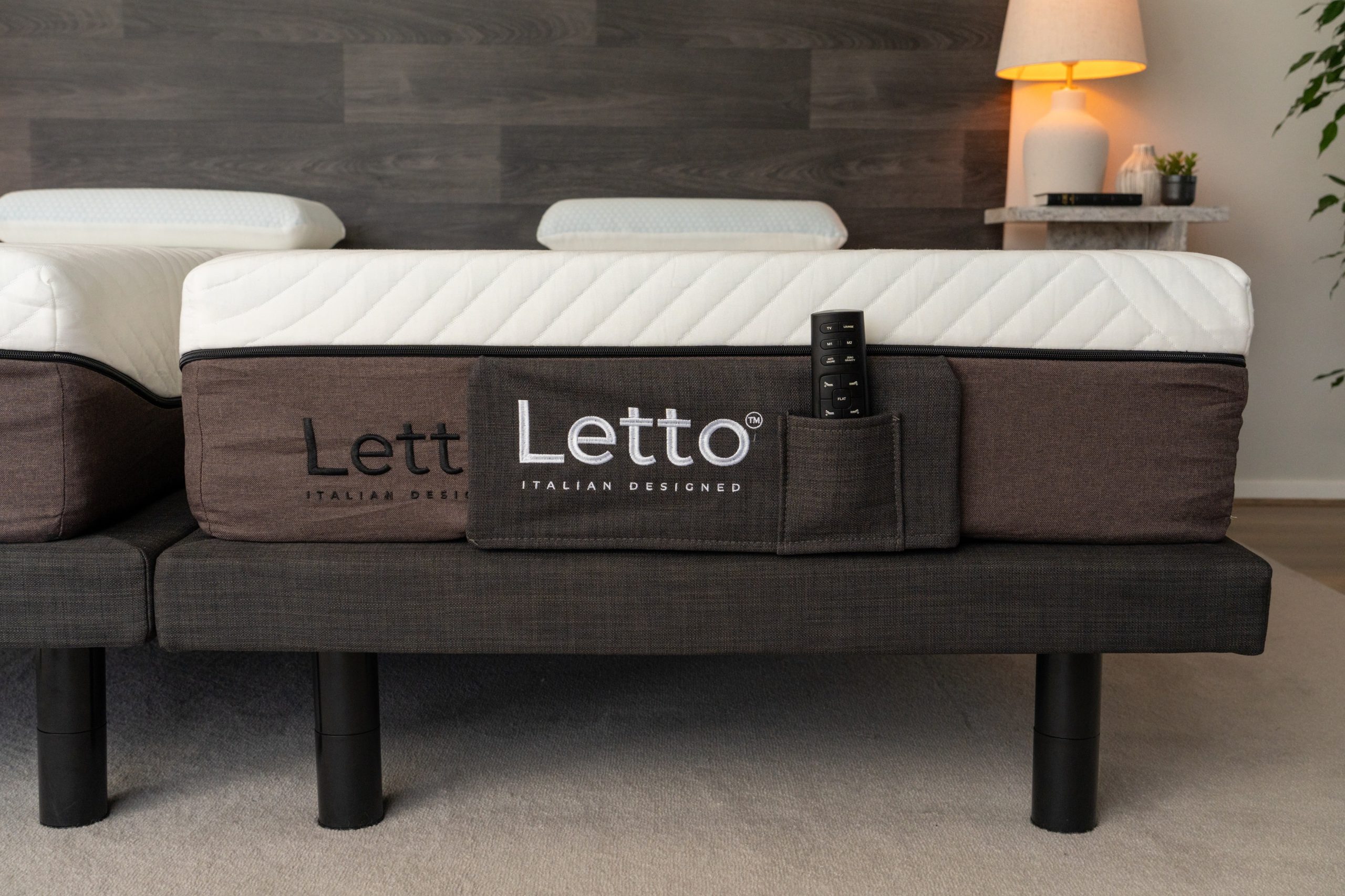
If you’ve recognised the signs you need a new mattress, here’s what’s worth knowing about Letto.
Letto mattresses are designed for Australians who refuse to accept poor sleep as inevitable. With Italian design heritage from 1967 and construction focused on Australian conditions, these address real challenges.
What makes Letto different
The standout feature of Letto mattresses is their dual firmness design, both medium-soft and medium-firm in one bed. A simple flip of the internal foam layer switches between firmness levels. This is particularly useful when preferences change seasonally, after an injury, or when you realise your first choice wasn’t quite right. No need to buy another mattress or compromise on comfort.
For Australian summers specifically, the Cooling Gel Memory Foam makes a real difference. The pressure-relieving memory foam incorporates cooling gel technology, paired with a breathable Ice Fibre cover that actively wicks away heat and moisture. This construction directly addresses the reality that sleeping hot destroys sleep quality, especially relevant during those sweltering January nights.
Every Letto mattress is OEKO-TEX certified, meaning it’s been independently verified as free from harmful substances. This isn’t just marketing, it’s real assurance about what you’re spending eight hours each night in contact with. For anyone with sensitivities or simply wanting peace of mind, this certification matters.
The 25cm mattress flexes seamlessly with adjustable bases, too, which is important if you’re considering head elevation for snoring, reflux, or comfortable reading. Letto offers complete packages that combine mattresses with adjustable bases for those wanting an integrated sleep system rather than piecing together components.
Solutions for different sleep situations
Couples with different sleep preferences face a common dilemma: whose comfort do you prioritise? The Split King configuration solves this elegantly. Each partner can choose their own firmness (via the flip mechanism) and adjust their side of the bed independently. No more compromising on comfort or disturbing each other when one person wants to elevate for reading or relief.
For singles seeking an adjustable solution without the footprint of a larger bed, the single adjustable bed provides the same position customisation in a compact size. This is particularly valuable for those managing back pain, circulation issues, or respiratory conditions where elevation genuinely helps, not just feels luxurious.
The Letto adjustable base itself comes with practical features that enhance daily comfort: zero-gravity positioning that distributes weight evenly, anti-snoring presets that open airways, massage functions for relaxation, and under-bed lighting for safe nighttime movement. These aren’t gimmicks; they’re thoughtful additions that address real sleep challenges.
Buying with confidence
Understanding that choosing a mattress without extensive testing can feel uncertain, Letto provides several assurances. The 30-night comfort guarantee means you can try the mattress properly, after the recommended 25-night adjustment period, and if it’s genuinely not right, alternatives are available. This guarantee applies when purchasing mattresses with adjustable bed packages, giving you time to experience how the complete system works together.
The 10-year warranty covers both frame construction and memory foam, providing long-term confidence in your investment. This isn’t a short-term purchase, and the warranty reflects that reality.
Direct-to-door delivery across Australia ships from Melbourne warehouses, meaning pre-assembled beds arrive ready to use. This eliminates both retail middlemen markup and the frustration of complex assembly. For those who’ve been tolerating poor sleep while wondering if better options exist, exploring what Letto offers provides a practical starting point designed specifically for Australian conditions and comfort needs.
Start the new year with better sleep

Sleeping on an inadequate mattress costs more than comfort. It costs energy, mood, pain-free movement, and mental clarity. For those dealing with chronic pain, poor sleep makes everything worse. Understanding what sleep debt is shows why poor rest compounds over time.
If signs point to replacement, sagging, morning stiffness, restless nights, or simply age, January offers both motivation and practical advantages. Sales timing, summer highlighting cooling needs, and fresh-start momentum align.
Next step: Check your mattress honestly. Look for sagging. Notice morning feelings. Consider when to change a mattress based on age and condition. If it’s time, explore options matching your sleep position, pain needs, and temperature requirements.
Quality sleep isn’t a luxury; it’s maintenance. Sometimes maintenance requires replacement.
Ready to explore? Browse Letto’s complete mattress and adjustable bed range to see what’s possible when sleep becomes a priority.
For building better sleep habits with your new mattress, check how to get better sleep andhow sleep actually works, knowledge that helps maximise your investment.
Your complete mattress selection guide
Start the year off right. View our free guide below to help you choose the right mattress for your health and comfort.
Choosing a mattress means balancing sleep position, body weight, health conditions, temperature needs, partner requirements, and budget. Our guide walks through each factor systematically.
It covers:
- Firmness selection for your sleep profile
- Material comparisons for health conditions
- Features for the Australian climate
- Questions to ask before buying
- Trial periods and warranties
