

What Is NREM Sleep? Everything You Need to Know
In this blog
NREM sleep is the non-dreaming, deep-rest part of the sleep cycle that powers physical recovery, immune support, and memory. It runs through three stages, from light drift-off to slow-wave deep sleep, when heart rate and breathing slow, muscles relax, and the brain files new information into long-term storage. Strong NREM sleep means waking with more energy, clearer thinking, and a steadier mood. To get more of it, keep consistent bed and wake times, wind down without screens, and sleep in a cool, dark, quiet room. A supportive mattress and pillow that keep the spine neutral, or an adjustable base for easy positioning, can also help you stay in deep sleep longer.
Have you ever wondered what’s actually happening when you fall asleep? Your body doesn’t just switch off like a light; it goes through a process that’s essential for both your physical and mental wellbeing. NREM sleep is where the real magic happens, doing the heavy lifting for recovery, memory, and making sure you wake up feeling human again.
What is NREM sleep?
NREM sleep (that’s Non-Rapid Eye Movement sleep) is basically the quiet time when your body gets down to business. Unlike rapid eye movement REM sleep, where you’re busy dreaming, NREM is when your breathing slows down, your heart rate drops, and your body shifts into serious repair mode.
Your sleep cycle runs in chunks of about 90 to 120 minutes, and NREM sleep dominates the first half of the night. This timing isn’t random; your body knows to prioritise physical recovery early on, setting you up for the brain-boosting REM sleep that comes later. To get the full picture of how this all works together, check out our guide on the complete stages of sleep.
Australian health resources describe NREM as the quiet, non-dreaming portion of the night that alternates with REM, and it’s absolutely crucial for feeling refreshed.
The stages of NREM sleep
NREM stages break down into three parts, each doing something different for your body:
Stage 1 (N1): Just drifting off
This is that drowsy phase when you’re just starting to fall asleep. Your brain activity begins to slow down from the busy beta waves of being awake to the more relaxed alpha and theta waves. You’re still pretty easy to wake up at this point; it’s like your body is testing the waters before diving into deeper sleep.
Stage 2 (N2): Settling in
Now you’re properly asleep. Your brain activity continues to slow, your body temperature starts to drop, and something cool happens: your brain produces sleep spindles and K-complexes (fancy names for specific brain wave patterns that help keep you asleep even when there’s a bit of noise around you). This stage makes up most of your total sleep time.
Stage 3 (N3): Deep sleep territory
This is the gold standard of sleep, deep, slow-wave sleep. Your brain waves shift to slow, powerful delta waves, and this is where the real restoration happens. Stage 3 sleep is when your body releases growth hormone, repairs tissues, and strengthens your immune system. It’s also the hardest stage to wake up from, you know that groggy feeling when someone wakes you from a deep nap? That’s probably stage 3.
The Better Health Channel explains how breathing and heart rate slow through N1 and N2, with deep, slow-wave activity in N3, and notes that these stages repeat across the night at roughly 90 to 120-minute cycles. Getting this rhythm right can help you determine the best time to wake up feeling refreshed rather than groggy.
What’s actually happening during NREM sleep

During NREM sleep, your body essentially goes into maintenance mode. The nervous system powers down activity, muscles relax, blood pressure drops, and the brain’s slow waves dominate. This period supports tissue repair, immune function and next-day performance.
Your brain takes this quiet time to do some serious housekeeping, moving important stuff from temporary storage into long-term memory. Those slow, rhythmic brain waves during deep sleep help coordinate this whole process, which is why getting enough quality NREM sleep is so important for learning and remembering things.
Why NREM sleep matters so much
Your body’s repair shop
Deep N3 helps the body restore energy and repair tissues, which is why you feel refreshed after a good night’s sleep. During deep sleep, your body is busy repairing muscles, boosting your immune system, and basically giving you a tune-up for the next day. The time spent in these deeper NREM stages directly affects how energetic and physically capable you feel.
Memory and learning powerhouse
Sleep foundations highlight sleep’s role in consolidating new information so it sticks, with strong links between good-quality sleep and memory. NREM sleep is like your brain’s filing system; it takes all the random stuff you learned during the day and organises it properly. Those synchronised brain waves during deep sleep are actually helping transfer important information into your long-term memory banks.
Overall health insurance
Poor or short sleep is common and linked with chronic conditions at the population level in Australia, so getting quality sleep really does pay off. Good NREM sleep keeps your immune system strong, helps regulate your metabolism, and even affects your mood. When sleep problems pile up over time, you might find yourself dealing with sleep debt and wondering how to repay it effectively.
How to get better NREM sleep
Easy changes you can make tonight
Stick to a schedule: Keep regular bed and wake times, even on weekends. Your body’s internal clock loves routine, and consistent timing helps you cycle through all the NREM stages properly.
Wind down properly: Dim lights, read, stretch gently and avoid screens in the last hour. Start preparing your body to fall asleep at least an hour before bed. Your brain needs time to shift gears from busy daytime brain activity to the slower waves of sleep.
Get your environment right: Keep the room cool, quiet and dark, and limit caffeine and alcohol near bedtime. Your body temperature naturally drops during NREM sleep, so a cooler room actually helps. Both caffeine and alcohol can mess with your natural sleep cycle and reduce the time spent in deep sleep.
If you’re still struggling with sleep disorders or persistent problems, check trusted Australian guidance and consider professional support.
Your sleep setup matters
Your mattress and pillows play a huge role in NREM sleep quality. A supportive surface that maintains neutral spinal alignment allows your muscles to fully relax during the deeper stages of sleep. When your body doesn’t have to work to stay comfortable, you can spend more time in that crucial stage 3 sleep.
Think about these things when checking your sleep setup:
- Pressure relief: Your mattress should spread your weight evenly so you’re not waking up with sore spots
- Spinal support: Good alignment means your back isn’t working overtime while you sleep
- Motion isolation: If sharing a bed, reduce partner disturbance by choosing good motion isolation, which helps protect your sleep cycle from interruptions
- Temperature control: Materials that breathe well help keep your body temperature at the right level for deep sleep
The foundation of good NREM sleep starts with your sleep surface, so understanding how to choose the perfect mattress for your needs can make a real difference.
Better sleep with the right setup
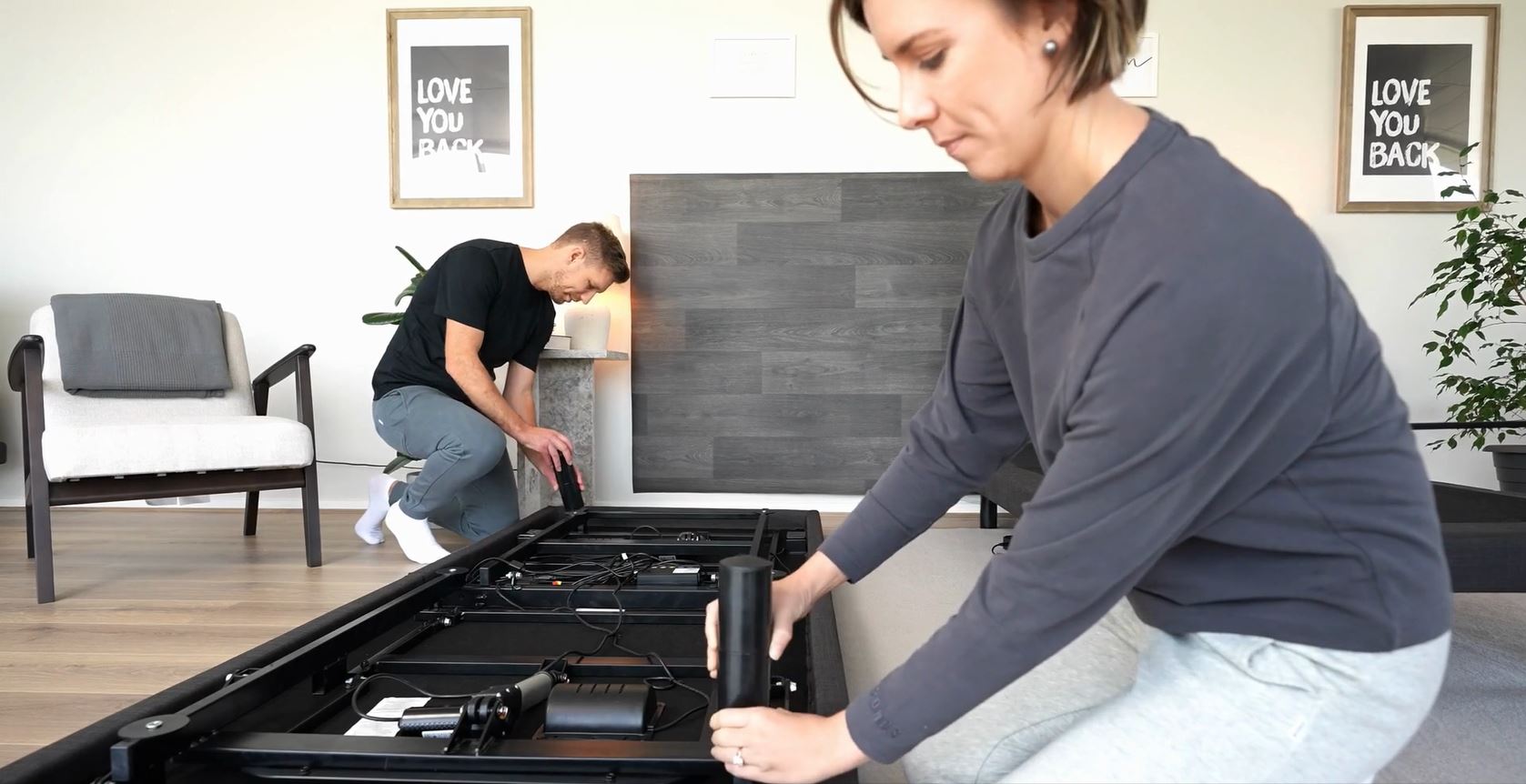
An adjustable bed can actually help your NREM sleep by letting you find that perfect position where everything feels just right. A slight elevation of your head or knees can improve blood flow, take pressure off certain areas, and help you stay in those deeper sleep stages longer.
When your sleep surface properly supports your body and minimises disturbances, you’re much more likely to get through complete sleep cycles and wake up feeling genuinely refreshed.
Letto’s adjustable beds and mattress bundles are designed for exactly this: comfortable alignment and easy position changes, with fast delivery from Sydney and Melbourne and free curbside delivery in QLD and NSW.
The bottom line
NREM sleep is basically your body’s nightly maintenance program, handling everything from physical repair to memory filing. By focusing on good sleep habits, creating a comfortable sleep environment, and investing in quality sleep products, you can improve both how much deep sleep you get and how well it works for you.
Start with consistent sleep timing, then gradually improve your sleep environment and bedtime routine. Remember, if sleep problems stick around despite these changes, it’s worth talking to a healthcare professional who can give you personalised advice.
Good sleep isn’t a luxury; it’s essential for staying healthy and feeling your best. By understanding and optimising your NREM sleep, you’re investing in better recovery, sharper thinking, and an overall better quality of life.
Looking for more info? Have a read of these
- What Is the Best Time to Wake Up?
- What Are the Stages of Sleep?
- What Is Sleep Debt and How Do You Repay It?
- How to Choose the Perfect Mattress
Ready to upgrade your sleep? Find your comfort match with Letto’s package deals – no-fuss delivery, no surprises.