
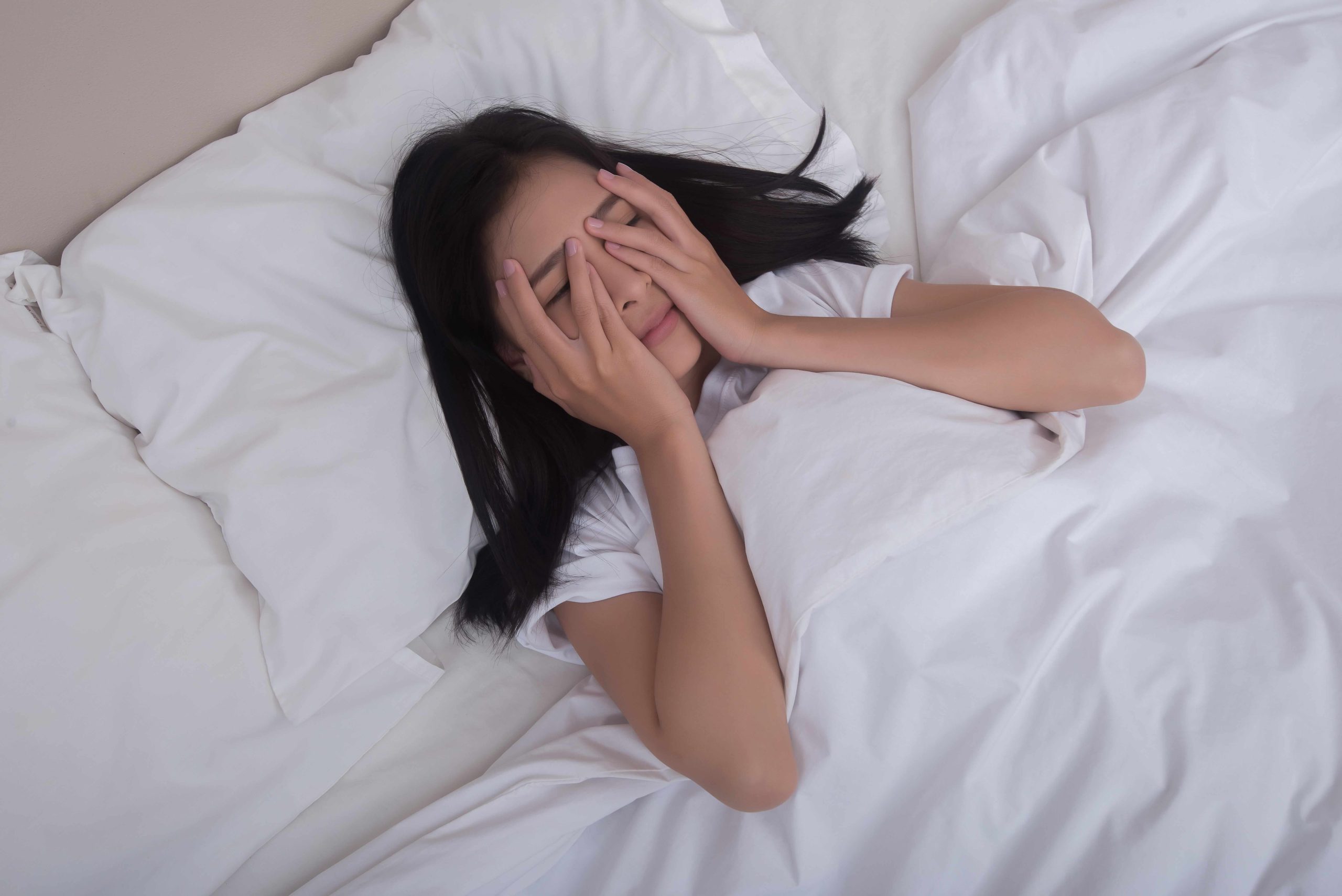
Understanding the two-way relationship between restless nights and a restless mind — and what you can do about it.
At a Glance
- Sleep and anxiety share a two-way relationship: Poor sleep can make anxiety worse, and anxiety can lead to difficulty falling asleep — it’s biology, not a character flaw.
- Broken sleep changes your brain: Sleep deprivation heightens your stress response, weakens emotional regulation, and disrupts REM sleep — your brain’s built-in system for processing stress and anxiety.
- Older Australians are particularly affected: Age-related changes to sleep architecture, combined with conditions like chronic pain and nocturia, can fuel a cycle of disruptive sleep and heightened anxiety.
- Small, practical changes make a genuine difference: A consistent bedtime routine, gentle stretching, deep breathing techniques, and proper bed support can help calm the nervous system and improve sleep hygiene.
- This guide covers what’s happening, why it matters, and what you can do about it — particularly for older Australians dealing with stress and anxiety, or their families looking for answers.
Disclaimer: This article provides general information only and is not intended as medical advice. If you or a loved one are experiencing persistent sleep difficulties, anxiety, or symptoms of a mental health condition, please consult a qualified healthcare professional. In Australia, you can speak to your GP, call Beyond Blue on 1300 22 4636, or contact Lifeline on 13 11 14.
Think about the last time you had a truly terrible night’s sleep. Not just a short one — a broken one. The kind where you drift off, wake at 2 am, lie there for an hour, doze again, and then surface at 4:30 am with a tight chest and a head full of thoughts you didn’t ask for.
How did the next day feel?
For most people, it’s not just tiredness. It’s something sharper. A shorter fuse. A knot of worry that sits heavier than usual. A sense that everything feels harder to cope with. That isn’t a weakness. According to the Sleep Health Foundation, nearly 60% of Australian adults report at least one sleep problem, and the consequences go far beyond feeling groggy. Even a temporary lack of sleep reaches into your mood, your patience, and your ability to manage stress.
If you’re dealing with poor sleep— or you’re watching a parent or loved one struggle with restless nights and rising worry — this one’s worth reading.
Sleep and Anxiety: A Two-Way Street
For decades, the medical world treated poor sleep as a side effect of anxiety. Fix the anxiety, and sleep would follow. But modern research has turned that assumption on its head.
Broken sleep doesn’t just result from anxiety — it actively creates it, even in people who weren’t anxious to begin with. A large-scale study of more than 16,000 adults with an average age of 57 found that sleep disturbance is actually a stronger predictor of future anxiety than anxiety is of future sleep problems. A community-based study found that people living with insomnia were significantly more likely to experience clinical anxiety, including people with anxiety disorders such as generalised anxiety disorder. And a longitudinal review concluded that sleep problems in childhood can predict higher levels of anxiety and depression later in life.
The takeaway? Sleep isn’t just something that suffers because of anxiety. When it goes wrong, it sets the stage for anxiety to take hold. That’s why understanding how sleep works is protective.
What Happens in Your Brain When Sleep Falls Apart
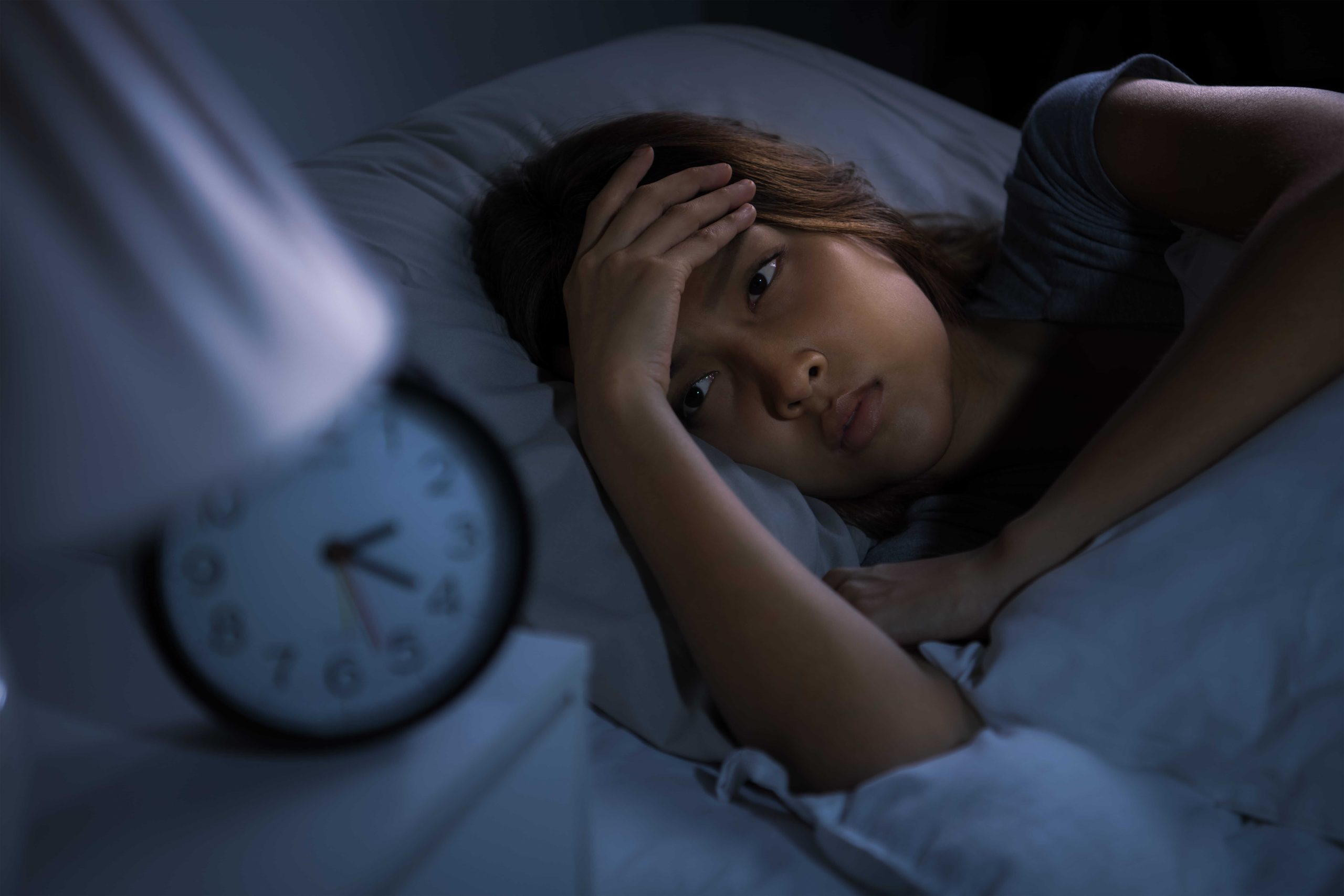
So why does a run of bad nights leave you feeling anxious, irritable, or emotionally fragile? There are three key mechanisms worth understanding — not because you need a neuroscience degree, but because knowing why this happens can help it feel less frightening.
Your Stress System Gets Stuck in “On” Mode
Your body’s stress response system (the HPA axis) controls how much cortisol — your primary stress hormone — floods your system. Normally, cortisol peaks in the morning and drops at night to let you wind down into deep, restorative sleep. Sleep deprivation disrupts this rhythm. Research published in Sleep found that even partial sleep loss keeps cortisol elevated well into the evening — exactly when it should be at its lowest.
The result? You’re lying in bed exhausted, but your nervous system is behaving as though there’s a threat in the room. High cortisol then suppresses the deep sleep your body needs to lower cortisol. The cycle tightens: less sleep, more stress hormones, even less sleep.
Your Brain’s “Calm Down” System Goes Offline
Your brain has a built-in emotional thermostat: the prefrontal cortex keeps the amygdala (your alarm system) in check, dampening irrational fears. A landmark neuroimaging study at UC Berkeley found that after sleep deprivation, the amygdala becomes up to 60% more reactive to negative stimuli, while the prefrontal cortex’s ability to regulate it drops away.
The practical result is heightened anxiety after even a few bad nights. Minor frustrations feel like crises. A confusing bill feels overwhelming. It’s not that you’re being dramatic — your brain literally hasn’t had the sleep it needs to reset its emotional calibration.
REM Sleep: Your Brain’s Nightly Therapy Session
During REM sleep, your brain replays emotional experiences in a neurochemical environment where stress chemicals are at their lowest — allowing you to process difficult feelings without the full emotional charge. Researchers have called this “overnight therapy.”
But REM stages are concentrated in the second half of the night. When sleep is cut short or broken, those emotional residues carry over and accumulate. Over time, a disruptive sleep pattern contributes to a baseline of anxiety that can feel impossible to shake. Understanding the full cycle of sleep stages helps explain why it’s not just how long you sleep that matters, but how uninterrupted each cycle is.
What Sleep-Related Anxiety Looks Like in Older Adults
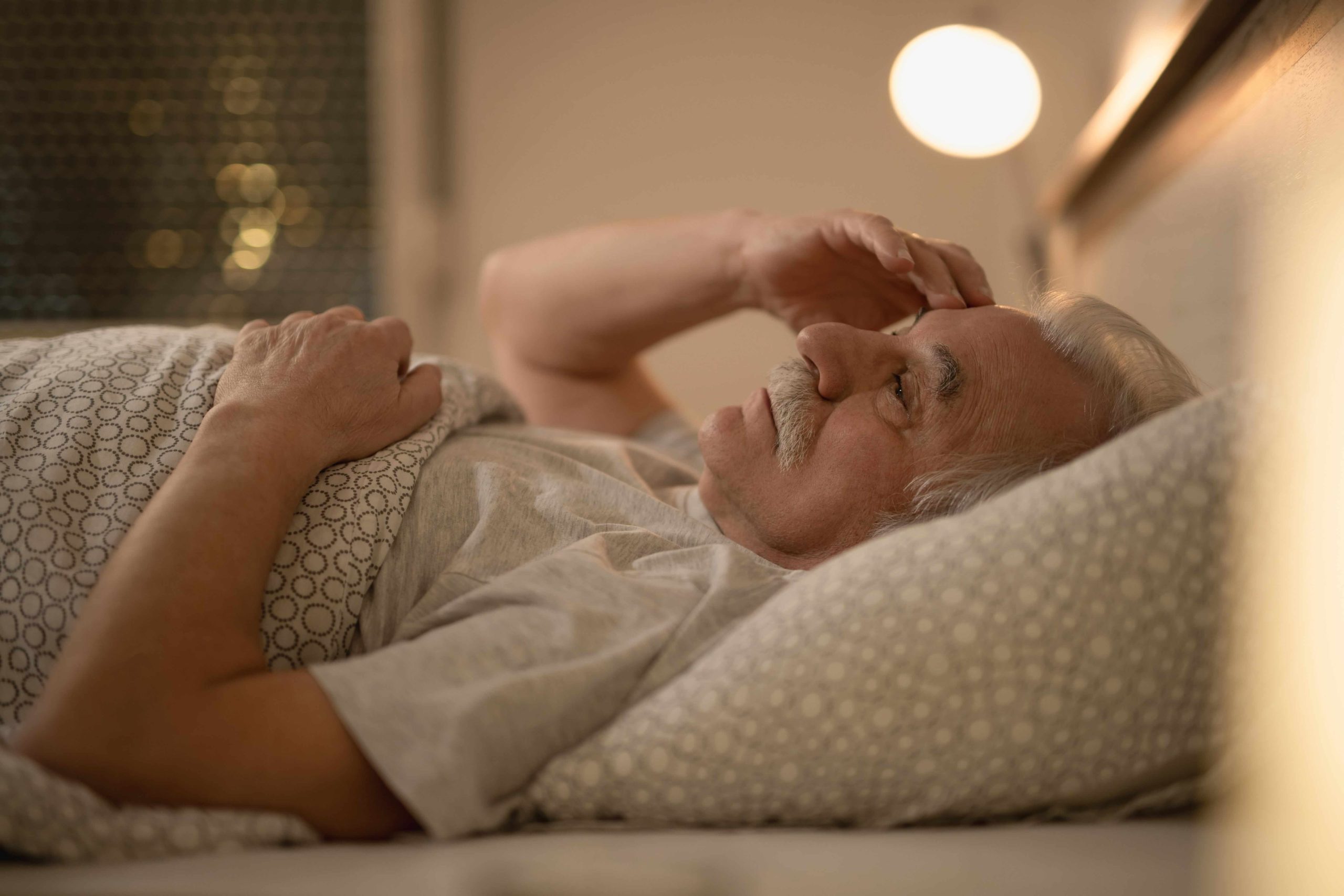
The connection between sleep and anxiety affects all ages, but it takes on a particular shape in older Australians — one that’s often misunderstood or mistaken for something else.
As we age, deep sleep decreases. Night waking becomes more frequent. Circadian rhythms can shift earlier, leading to very early morning waking — often at 3 or 4 am, when the mind races. According to Australia’s ARIIA, roughly 10% of older Australians experience anxiety, with rates in residential aged care climbing to nearly 20%.
What makes this tricky is that anxiety at night in older adults often doesn’t look like classic general anxiety — the broad, persistent worry associated with generalised anxiety disorder. Instead, it can appear as:
- Dreading bedtime: A growing reluctance to go to bed, not from a lack of tiredness, but from the anticipation of lying awake. This “sleep dread” is a form of performance anxiety about sleep itself — sometimes called orthosomnia.
- Nighttime waking with physical symptoms: Racing heart, tightness in the chest, sweating. In older adults, these nocturnal panic attacks can be terrifying because they mimic cardiac events, which then trigger a secondary wave of health anxiety. Unlike daytime panic attacks, these episodes strike without warning during sleep, making them deeply unsettling.
- Fear of falling: This is a significant one. A 2024 meta-analysis found that roughly half of older adults worldwide experience fear of falling. Nocturia (needing the bathroom overnight) is extremely common in this age group, and the anxiety of navigating a dark room can cause enough arousal to prevent falling back to sleep.
- Difficulty concentrating that looks like memory loss: Anxiety consumes cognitive bandwidth. An older adult who can’t focus because of chronic worry may appear forgetful, leading families — and sometimes even doctors — to question whether it’s early dementia. The important distinction is that anxiety-related concentration problems often improve when the anxiety is addressed, whereas cognitive decline from dementia is progressive.
When It’s Something More Serious
It’s worth noting that nighttime confusion and agitation in older adults can sometimes indicate “sundowning” — a syndrome associated with Alzheimer’s disease and other forms of dementia. Sundowning typically involves disorientation, hallucinations, and agitation that worsen as daylight fades, and it’s driven by the deterioration of the brain’s internal clock rather than worry.
If you notice a loved one becoming confused about where they are, who people are, or what time of day it is — rather than simply feeling worried or unable to sleep — it’s important to speak with a GP or specialist. Sleep disorders, anxiety conditions, and early-stage dementia can all present differently, and they require different approaches.
Simple Ways to Calm Your Body Before Bed

Here’s what the research consistently points to: when anxiety is running high, telling yourself to “just relax” rarely works. That’s because anxiety lives in the body as much as the mind. Your nervous system is activated — your heart rate is up, your muscles are tense, your breathing is shallow. Trying to think your way out of that state is like trying to steer a car by talking to the engine.
What does work is meeting the body where it is. The strategies below target the physical side of anxiety, helping to shift your nervous system from “alert” mode into “rest” mode. They’re gentle, accessible, and backed by evidence.
Build a Wind-Down Routine That Signals Safety
Your brain learns from repetition. A consistent bedtime routine — even a simple one — trains your nervous system to recognise that the transition to sleep is safe.
It doesn’t need to be elaborate: dimming the lights 60–90 minutes before bed, switching off screens, and doing the same quiet activity each night creates a reliable cue.
If worries rush in at bedtime, try writing down your thoughts or tomorrow’s to-do list earlier in the evening. It’s not about solving the worries — it’s about getting them out of your head so your brain knows they’ve been “noted.” For more strategies, our guide on good sleep hygiene covers the essentials.
Try Gentle Stretching
You don’t need to be flexible or athletic for this. A few minutes of gentle stretching before bed releases physical tension and brings your attention into your body and out of your thoughts. A randomised controlled trial found that a regular stretching routine reduced insomnia severity over four months. For older adults, stretching also reduces nocturnal leg cramps — a common cause of nighttime waking. Try Child’s Pose, gentle neck stretches (ear to shoulder), seated spinal twists, or legs up the wall.
You can pair stretching with deep breathing to activate your vagus nerve — the primary controller of your “rest and digest” system. Extended-exhale deep breathing (in for 4 counts, hold for 7, exhale for 8) directly activates vagal braking of the heart rate. A Stanford study confirmed these techniques reduce physiological arousal. Even humming for 5–10 rounds stimulates the vagus nerve mechanically, producing measurably lower stress levels.
Activate Your Body’s Built-In Calm Response
Your vagus nerve is the longest nerve in your body, running from your brainstem all the way to your gut. It’s the primary controller of your parasympathetic nervous system — the “rest and digest” system that counterbalances the “fight or flight” response. Stimulating it tells your brain, at a physiological level, that you’re safe.
There are several simple, evidence-backed techniques to do this:
- Extended exhale deep breathing: Breathe in slowly for 4 counts, hold for 7, and exhale for 8. The prolonged exhale is the key — it directly activates vagal braking of the heart rate. A Stanford study confirmed that deep breathing techniques with extended exhales enhance mood and reduce physiological arousal.
- Humming: It sounds odd, but the vagus nerve passes through the vocal cords, and the vibration of humming stimulates it mechanically. A Holter-based study found that humming produced the lowest stress index of all activities tested — including sleep. Five to ten slow, steady hums can measurably shift your nervous system toward calm.
- Cool water on the face: Splashing cold water on your face for 15–30 seconds triggers the mammalian dive reflex — an involuntary response that slows the heart rate and promotes parasympathetic dominance. It’s a quick physiological reset. (A word of care: if you have a heart condition, check with your doctor before trying cold-exposure techniques.)
Set a Digital Sunset
This is less about discipline and more about biology. The blue light from screens suppresses melatonin, and the content — news, emails, social media — spikes cortisol at exactly the wrong time. Try switching off screens 60–90 minutes before bed. Replace the scroll with something that lets your mind slow: a book, a podcast, a crossword. It’s one of the simplest sleep hygiene habits you can adopt, and your circadian rhythm will thank you.
Why Your Bed Matters — and How Letto Can Help
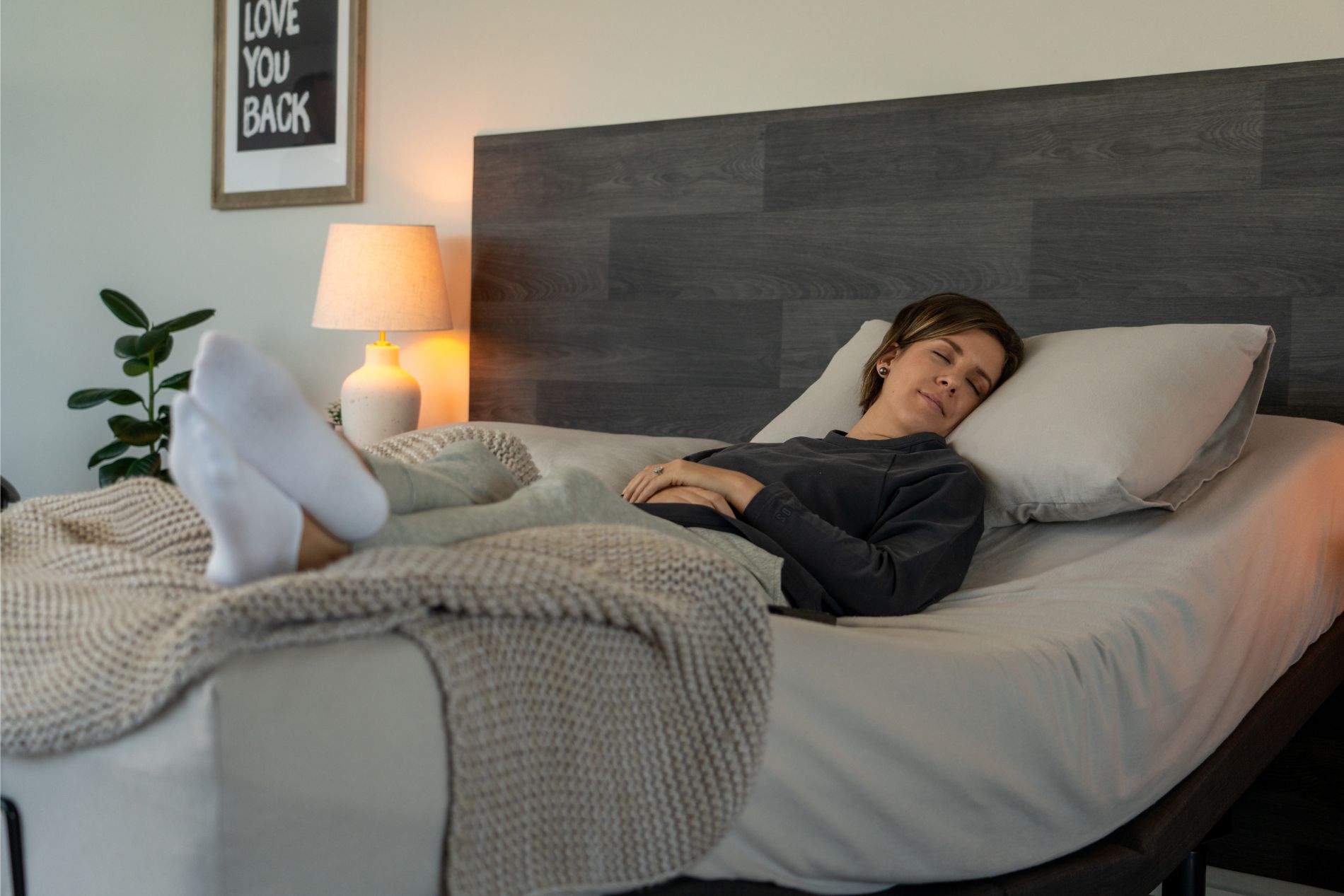
Physical discomfort and psychological distress share neural pathways. A mattress that creates pressure points keeps your nervous system in low-level alertness, triggering cortisol release and disruptive sleep that prevents you from reaching deep, restorative sleep stages. Harvard Health notes that even mild sleep restriction caused by discomfort leads to significant increases in reported stress and sadness.
One of the most effective ways to break this cycle is to find a sleep position that genuinely relieves pressure. Research presented at the Associated Professional Sleep Societies found that adults using an adjustable bed base experienced increased total sleep time, fewer awakenings, and reduced time spent awake during the night. The “zero gravity” position — based on NASA’s research into how the body rests in a weightless environment — aids spinal decompression, improves circulation by reducing cardiac workload, and opens the upper airway to reduce snoring and micro-arousals linked to mild sleep apnoea. Fewer disruptions mean more time in the sleep stages that matter most for emotional regulation.
At Letto, we design Italian-engineered adjustable bed bases built for Australians who want to sleep better. Our adjustable bed bases feature one-touch zero gravity positioning, built-in massage functions, and independent head and foot elevation. For couples, our Split Queen, Split King, and Split Super King options mean each person can adjust independently.
For those managing back pain, arthritis, poor circulation, or acid reflux — all of which worsen sleep and feed the anxiety cycle — an adjustable base is a practical step toward calmer mornings. Explore our package deals, learn why families across Australia trust Letto, or get in touch with our team.
How Letto Can Help
If anything in this article has resonated with you — if you’ve recognised yourself, or someone you love, in these patterns — it’s worth knowing that meaningful change doesn’t have to be complicated.
At Letto, we design Italian-engineered adjustable bed bases built specifically for Australians who want to sleep better. Not because we think a bed fixes everything — but because we’ve seen, time and again, how the right physical support can be the missing piece.
Our adjustable bed bases feature one-touch zero gravity positioning, built-in massage functions, and independent head and foot elevation — giving you or your loved one the freedom to find a position that genuinely relieves pressure and encourages the body to relax. For couples, our Split Queen, Split King, and Split Super King options mean each person can adjust independently.
For those managing discomfort from back pain, arthritis, poor circulation, or acid reflux — all of which worsen sleep and feed into the anxiety cycle — an adjustable base isn’t a luxury. It’s a practical step toward better nights and calmer mornings.
If you’d like to learn more about how our beds are designed and why families across Australia trust Letto, we’re always happy to talk. You can explore our package deals or get in touch with our team — no pressure, just real answers to real questions.
H2: The Quiet Power of a Good Night’s Sleep
If there’s one thing the research makes clear, it’s this: sleep isn’t a luxury, and it isn’t passive. It’s an active, neurochemical maintenance cycle for your emotional health. When it works well, it clears the residue of stress, recalibrates your mood, and gives your brain the resources it needs to cope with whatever tomorrow brings.
When it doesn’t work well — when it’s broken, shortened, or disrupted — those resources deplete. Anxiety creeps in. And the cycle tightens.
But the cycle can be broken. Small changes — a consistent routine, a calmer environment, a bed that actually supports your body — add up. They send the right signals to a nervous system that’s been stuck in overdrive.
You deserve to sleep well. So does the person you might be reading this for.
For more practical tips and guides on improving your sleep, explore our complete guide to better sleep or browse our top sleeping tips.
Frequently Asked Questions
Can lack of sleep actually cause anxiety, or does it just make existing anxiety worse?
Both. Research shows the relationship is bidirectional. If you already experience anxiety, poor sleep will almost certainly make it worse by disrupting your brain’s ability to regulate emotions. But poor sleep can also create anxiety in people who didn’t previously experience it, by elevating stress hormones and weakening the prefrontal cortex’s ability to keep the brain’s alarm system in check. A study of over 16,000 adults found that sleep disturbance was actually a stronger predictor of future anxiety than anxiety was of future sleep problems.
Why does anxiety seem worse at night?
There are several reasons why anxiety at night feels more intense. During the day, you’re occupied — your brain has tasks, conversations, and distractions to keep it busy. At night, when those distractions fall away, unresolved worries rush in. There’s also a biological component: if your cortisol rhythm has been disrupted by poor sleep, your body may still be in “alert” mode when it should be winding down. For older adults, the natural reduction in deep sleep means the nervous system is more easily activated, and the silence and darkness of night can amplify worry. This is why so many people report that anxiety feels worse at night — it’s not just perception, it’s physiology.
What’s the difference between normal age-related sleep changes and something to worry about?
It’s normal for your sleep pattern to change with age, and for people to wake more often during the night. What’s not normal — and worth investigating — is persistent distress around sleep, increasing anxiety that affects daytime functioning, or nighttime confusion and disorientation. A chronic lack of sleep that leaves you feeling emotionally fragile day after day is worth discussing with your doctor. If an older adult is experiencing confusion about where they are or what time it is (rather than simply feeling worried), it’s important to discuss this with a doctor, as it may indicate something beyond garden-variety sleep disruption. Our guide on sleep debt can help you understand the cumulative effects of ongoing sleep loss.
Are weighted blankets actually helpful for anxiety and sleep?
There’s promising evidence. A randomised controlled trial published in the Journal of Clinical Sleep Medicine found that participants with insomnia and coexisting psychiatric conditions (including anxiety) who used weighted blankets were significantly more likely to achieve remission of insomnia and reported reduced anxiety and depression symptoms. The mechanism is “deep pressure stimulation,” which appears to increase parasympathetic activity and reduce the body’s stress response. They’re not a cure-all, but they can be a useful part of a broader sleep strategy.
How long does it take for better sleep habits to reduce anxiety?
There’s no single timeline, because every person’s situation is different. Some people notice improvements in mood and emotional resilience within days of sleeping more consistently. Others — particularly those with longstanding sleep debt or chronic insomnia — may take several weeks of consistent improvement before the benefits fully register. The key is patience and consistency. Building a reliable bedtime routine and creating a comfortable sleep environment are investments that compound over time. For persistent difficulties, speaking with a healthcare professional is always worthwhile.