Tired of waking up to complaints about your snoring? Or maybe you’re the one losing sleep because of a noisy partner? Snoring isn’t just an annoyance—it can seriously affect your rest and health. The good news? The right mattress can make a huge difference.
In this guide, we’ll break down how your mattress impacts snoring, what to look for in a snoring-friendly bed, and which sleep solutions can help you (and your partner) finally get the quiet, restful sleep you deserve.
So, What Is Snoring – And Why Do We Do It?
Snoring is one of those things that seems harmless—until you’re the one dealing with it night after night. Whether it’s you waking up with a dry mouth and a sore throat or your partner throwing in the towel and moving to the spare room, snoring can seriously affect your sleep (and your relationships).
But why do we snore? It happens when airflow gets partially blocked while you sleep, causing vibrations in your throat. That’s what creates that familiar, not-so-pleasant sound. Sometimes, snoring is just an occasional annoyance, but it can also be a sign of poor sleep posture, nasal congestion, weight-related airway obstruction, or even an unsupportive mattress.
What many people don’t realise is that your mattress plays a big role in how much you snore. The right one can help keep your airway open, while the wrong one can make snoring worse.
Can a Mattress Really Help With Snoring?
Yes—and if your mattress is old, unsupportive, or simply not suited to your sleeping position, it might be making things worse.
Think about it—if your mattress lets your body sink too much or doesn’t keep your spine properly aligned, it can cause your airway to become restricted. This forces your body to work harder just to breathe while you sleep. The result? Louder snoring, more restless nights, and waking up feeling groggy instead of refreshed.
How the Right Mattress Helps Reduce Snoring
Supports healthy spinal alignment, keeping your airway open
Prevents excess sinking, so your head and neck aren’t forced into awkward angles
Encourages side sleeping, which naturally reduces snoring
If you or your partner are tired of battling through sleepless nights, it might be time to consider whether your mattress is helping or hurting your ability to breathe freely.
How to Choose the Best Mattress for Snoring Relief
Firmness Level: Finding the Sweet Spot Between Soft and Supportive
Your mattress should provide enough support to keep your body in a neutral, well-aligned position—but still be comfortable enough to help you relax. If it’s too soft, your body sinks too much, which can push your airway into a more restricted position. Too firm, and you’ll feel uncomfortable and might toss and turn all night.
A medium-firm mattress is ideal for most snorers because it strikes the right balance between comfort and support. If you’re not sure what’s best, a hybrid mattress—which combines memory foam and coils—can give you the best of both worlds.
Memory Foam, Latex, or Hybrid – Which One Is Best?
Not all mattresses are created equal, especially when it comes to keeping your airway clear while you sleep.
Memory Foam: Moulds to your body and keeps your spine aligned, which can help reduce airway blockages. A great option—just make sure it has cooling properties if you tend to sleep hot.
Latex: More responsive and breathable than memory foam, making it easier to switch positions throughout the night.
Hybrid: A combination of foam and coils that provides support, pressure relief, and airflow, which is great for people who want a well-rounded mattress.
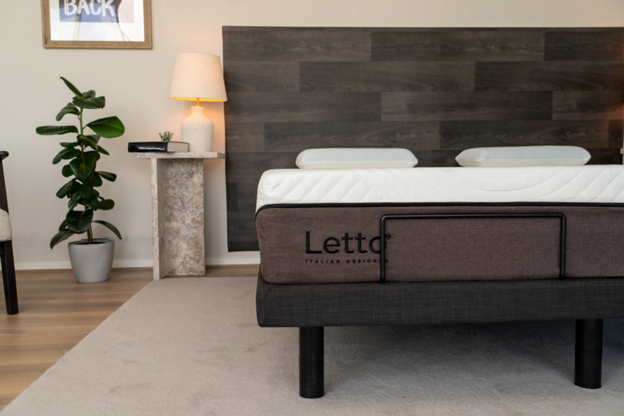
If you’re looking for a mattress that helps keep your spine in a neutral position while also offering enough cushioning for pressure relief, the Letto Mattress is a great option. It provides the right balance of support and comfort to help side sleepers maintain an open airway, which can significantly reduce snoring.
Why Adjustable Beds Are a Game-Changer for Snorers
One of the best ways to minimise snoring is to elevate your head slightly while you sleep. This helps prevent gravity from pulling your tongue and throat tissues backward, keeping your airway clearer.
With an adjustable bed, you can customise your sleep position to reduce snoring and improve comfort. Studies show that even a slight elevation of 7-10 degrees can make a big difference.
For example, an adjustable bed can help position your upper body at the right angle to improve airflow, reducing nighttime interruptions from snoring. The Letto Adjustable Bed makes this easy, allowing you to adjust your sleeping position for better breathing and overall comfort.
Other Benefits of Adjustable Beds
Reduces acid reflux and sleep apnoea symptoms
Helps with neck and back pain by improving posture
Enhances circulation and reduces pressure points
How Sleep Position Affects Snoring
Your sleeping position has a direct impact on how much you snore.
Back Sleepers: Snoring is most common in this position because gravity pulls the tongue backward, partially blocking the airway. If you can’t switch to side sleeping, an adjustable bed or supportive pillow can help.
Side Sleepers: The best position for reducing snoring, as it keeps your airway more open. A mattress with good pressure relief helps you stay comfortable while sleeping on your side. A medium-firm mattress, like the Letto Mattress, can help you stay in a side-sleeping position longer, preventing airway collapse.
Stomach Sleepers: Less likely to snore but more likely to wake up with neck and back pain. A medium-firm mattress and a low-loft pillow can help maintain alignment.
Your mattress isn’t the only thing affecting your snoring—your pillow is just as important. If your pillow is too thick, it can push your head forward, restricting airflow. If it’s too flat, it may not provide enough support to keep your airway open.
Best Pillows for Snoring Relief
Memory Foam Pillows: Contour to your neck for better support
Wedge Pillows: Slightly elevate your head to improve airflow
Adjustable Loft Pillows: Allow you to customise the height for the best spinal alignment
If you’re struggling to find the right pillow height, an adjustable pillow can help by letting you fine-tune the support to fit your sleep position. The Letto Pillow is designed to keep your head and neck in the optimal position, which can help maintain an open airway and reduce snoring.
Why Investing in the Right Mattress Matters
Snoring isn’t just an inconvenience—it can have real consequences for your energy levels, health, and even your relationships. When your airway is restricted, your body has to work harder to breathe, leading to fatigue, poor concentration, and increased health risks over time.
A high-quality mattress can transform your sleep quality by improving posture, reducing airway blockages, and making it easier to sleep comfortably in a position that reduces snoring. The right mattress won’t just help you—it can make a huge difference for your partner, too.
Why Letto Is the Best Choice for Snoring Relief
At Letto, we design mattresses with comfort, support, and better sleep in mind. Our mattresses and adjustable beds are built to encourage proper spinal alignment, promote airflow, and provide the right level of firmness to help reduce snoring.
If you’re ready for quieter nights, better sleep, and waking up refreshed, it’s time to upgrade your sleep setup. Explore Letto’s snoring-friendly mattresses today—your sleep (and your partner) will thank you.
Shopping for a new mattress can feel overwhelming, given the endless options, sizes, and features to consider. From memory foam to hybrid mattresses, firmness levels, and durability, it’s easy to get lost in the choices. However, finding the right bed is essential for achieving the comfort and quality sleep you deserve.
A good mattress not only helps you relax but also plays a key role in your overall health by supporting proper spinal alignment and ensuring you get a good night’s sleep. Whether you’re a side sleeper who needs a softer surface to cradle your shoulders and hips or someone seeking extra support for back pain, selecting the right mattress can make all the difference.
Investing time into finding the perfect bed now means you’ll enjoy deeper, more restful sleep for years to come. Here are some tips to help you pick a bed that guarantees both!
How to Pick the Right Bed
Okay so you laid down on 10+ mattresses and you’re still not sure how to pick a bed by just laying on a plastic square for a few minutes. We get it, mattress shopping can be overwhelming and confusing.
Thankfully, there are a few things you can keep in mind to make the process easier and help you find the best mattress for your specific needs.
Choosing the Right Mattress
A mattress lasts around seven to ten years, so choosing the right one is key. Consider your sleep needs, like firmness, support, and material, to find the bed that’s perfect for you.
What to Consider When Buying a Mattress
Consider Your Sleep Position and Preferences
Your sleep position plays a big role in finding the right mattress. Whether you’re a side, back, or stomach sleeper, your comfort depends on a mattress that supports your unique needs.
Choose the Right Mattress Type
Not all mattresses are created equal. From coil mattresses to memory foam to spring mattresses, each type offers different levels of comfort, support, and durability.
Research Mattress Brands and Reviews
It’s important to do your homework. Take the time to explore trusted mattress brands and read reviews from real customers to narrow down your options.
Test Different Mattresses
Don’t leave it to guesswork. Always test out mattresses to truly understand their comfort and feel before committing to a purchase. And if you’re buying online make sure they have a solid return policy in case it’s not the right fit for you.
Focus on Quality, Not Just Price
A good mattress is an investment in your health, so prioritise quality over finding the cheapest option. A higher-quality mattress will provide better support and last longer.
Now that we’ve covered the basics, let’s dive deeper into each of these points to help you find the perfect mattress for your needs.
Types of Mattresses
Knowing the different types of mattresses and how they can benefit you is crucial when it comes to figuring out how to pick a bed.
Innerspring Mattress
Innerspring mattresses use a system of connected metal springs to provide support, topped with a soft, fabric-encased layer for added cushioning and contouring. They offer good edge support and excellent breathability, making them a popular choice for those who sleep hot.
However, innerspring mattresses tend to be noisy and may not offer enough pressure relief for some sleepers.
Memory Foam Mattress
Memory foam mattresses are made with layers of foam that offer great cushioning and contouring, which makes them a great pick for anyone dealing with back pain.
They help keep your spine aligned and also reduce motion transfer, making it an excellent option for couples that have different sleep schedules. That said, they can trap heat, which might not be the best for hot sleepers.
Latex Mattress
Latex mattresses are made from natural or synthetic latex foam and offer many of the same benefits as memory foam mattresses. They provide excellent pressure relief and motion isolation while also being more breathable than traditional memory foam.
Additionally, latex is naturally hypoallergenic and resistant to dust mites and mould, making it a great choice for those with allergies.
Hybrid Mattress
A hybrid mattress combines the best features of an innerspring mattress and a memory foam or latex mattress. It typically has a layer of pocketed coils for support, topped with layers of foam for comfort and cushioning.
This combination offers the benefits of both types, making it a great option for those who want the best of both worlds.
Adjustable Mattress
Adjustable mattresses are a newer innovation in the bedding industry and they are a game changer. They allow you to adjust the angle of your head and feet, providing customisable support and comfort for various sleeping positions.
This type of mattress is ideal for those with medical conditions like sleep apnea, and restless leg syndrome that require elevated or reclined sleep positions. It’s also become a popular option for couples who prefer different types of firmness or elevation for their sleep.
Mattress Firmness Levels
Whether it’s Latex or Memory foam, innerspring or hybrid mattresses, they are available in different firmness levels to suit individual preferences. This is one of the most important aspects in how to pick a bed that will provide you with a comfortable night’s sleep.
Firm Mattresses
Firm mattresses are typically recommended for those who prefer a solid, supportive sleep surface. It’s also great for those with back or joint pain as it provides proper spinal alignment and pressure relief.
Medium-Firm Mattresses
Medium-firm mattresses offer a balance between support and comfort. They are ideal for combination sleepers who shift positions throughout the night as they provide enough support for back and side sleeping. This level of firmness is also a great compromise for couples who have different preferences.
Soft Mattresses
Soft mattresses are best suited for those who prefer a plush, sink-in feeling when they sleep. They provide pressure relief and can be beneficial for side sleepers as it helps alleviate pressure on the shoulders and hips. However, it may not be the best option for those with back or joint pain as it lacks proper support.
Sleeping Position and Mattress Choice
While you might not think that your sleeping position plays too much of a role in mattress selection, it actually does. Different positions require different levels of firmness and support to ensure a comfortable sleep.
Back Sleepers
When choosing a mattress, opt for a firm or medium-firm option to ensure proper support. Look for mattresses that provide good pressure relief and promote spinal alignment for a healthier sleep posture. It’s best to avoid soft mattresses, as they may lack the necessary support.
Side Sleepers
Side sleepers require a mattress that can alleviate pressure points and keep the spine properly aligned. A medium-soft to medium-firm option is best suited for this sleeping position as it provides enough cushioning while still maintaining support.
You don’t want a rock-hard mattress that puts too much pressure on your hips and shoulders, but you also don’t want a mattress that is too soft and causes your body to sink in uncomfortably.
Stomach Sleepers
Stomach sleepers need a firm mattress to keep their spine aligned and prevent their midsection from sinking in. A medium-firm or firm mattress will provide the necessary support for this sleeping position. It’s important to avoid soft mattresses as they may cause back pain due to lack of support.
It’s also important to note that sleeping on your stomach is not the most ideal position for spinal health, so it may be worth considering changing positions.
Combination Sleepers
If you find yourself switching between different sleeping positions throughout the night, a medium-firm to firm mattress is your best bet. This will provide enough support and pressure relief for all positions.
Why Mattress Size Matters
Say Goodbye to Sleepless Nights When Your Partner Moves!
For couples, mattress dimensions play a key role in ensuring a comfortable night’s sleep. A larger mattress, such as a queen or king, provides more space and helps minimise disturbances from your partner’s movements during the night.
Don’t Forget Bedroom Size
Before choosing a mattress size, take into account the size of your bedroom. A larger mattress may feel luxurious, but it could make your bedroom feel cramped if space is limited. This can play a big role in your sleep environment causing you to feel confined and uncomfortable.
Queen vs. King: What’s Best for You?
The queen-sized mattress is a favourite for couples, offering a great balance between space and affordability. For those who value even more room to stretch out, a king-sized mattress is the ultimate choice for a spacious and luxurious sleeping experience.
By considering your needs and room size, you can find the perfect mattress to enhance your sleep quality.
Shopping for the Perfect Bed
Now that you know what you’re looking for, it’s time to go mattress shopping!
With so many options available, it can be overwhelming to pick the perfect mattress. However, armed with the knowledge of your preferred sleeping position and the firmness level that works for you, you’re now ready to test out different mattresses and find the one that fits your needs.
In-Store vs. Online Shopping
The Convenience of Buying a Mattress Online
Online shopping provides the ultimate convenience for busy lifestyles. It allows you to browse and compare models from the comfort of your home, saving time and effort.
With just a few clicks, you can access a wide range of options and make informed decisions without the pressure of sales staff or the hassle of travelling to a store.
The Benefits of In-Store Shopping
While online shopping is convenient, in-store shopping offers the advantage of a hands-on experience. You can test products in person, ensuring they meet your expectations before making a purchase.
However, visiting physical stores can be time-consuming and occasionally overwhelming, especially with large crowds or limited inventory.
Choosing the Best Option for You
When deciding between online and in-store shopping, it’s important to weigh the pros and cons of each. Consider your priorities—whether it’s convenience, the ability to test products, or simply saving time—and choose the option that suits your needs best.
Mattress Trial Periods and Return Policies
When shopping for a mattress, it’s important to choose one with a generous trial period and hassle-free returns. Reading reviews and doing your research can help you make the right choice.
This is one of the many reasons you can feel at ease shopping with Letto. Our 30-night comfort guarantee allows you to test your mattress in the comfort of your own home and easily return it if it doesn’t meet your expectations.
How Your Sleep Routine Affects Your Health
Getting quality sleep is crucial for both physical and mental health. A good mattress can make all the difference in your sleep routine, promoting better rest and overall wellness. But you can’t just buy a new mattress and continue your bad sleep habits!
Here are some tips to combine a comfortable mattress with good sleep habits
Set a Consistent Sleep Schedule
Going to bed and waking up at the same time every day helps regulate your body’s internal clock. This consistency can lead to better sleep quality and make it easier to fall asleep at night.
Limit Screen Time Before Bed
The blue light emitted by devices like smartphones and computers can interfere with your sleep. Aim to turn off screens at least an hour before bedtime to help your body prepare for rest.
Create a Relaxing Bedtime Routine
Consider activities like reading, meditating, or taking a warm bath to wind down before bed. These calming habits signal to your body that it’s time to sleep.
Optimise Your Sleeping Environment
Keep your bedroom cool, dark, and quiet to create the ideal conditions for restful sleep. Investing in a quality mattress and pillows also ensures optimal comfort.
If you want to learn more about how to have better and deeper sleep, check out our guide here.
Letto Makes Picking a Bed Easy
We understand that mattress shopping can be overwhelming and confusing. That’s why Letto has simplified the process with our package deal! No visiting 100 stores looking for the perfect mattress and bed frame combo. With Letto, you have everything you need for ultimate comfort and convenience.
It includes two adjustable beds with wireless remotes, customisable mattresses (medium-firm or medium-soft), and free pillows, all delivered with free express shipping. Designed in Italy, the beds feature full-body massage, multiple preset positions, under-bed lighting, USB ports, and adjustable legs.
The cooling gel memory foam mattresses ensure a supportive, cool sleep, while the washable cover keeps them fresh. Perfect for side and back sleepers or anyone dealing with back pain, snoring, or sleep apnea.
Picking the Perfect Mattress with Letto’s Adjustable Bed.
Sleep isn’t just about how long you rest—it’s about how well you rest. Upgrading to a new mattress can significantly improve the quality of your sleep, and Letto’s Adjustable Bed is the perfect solution.
A great night’s sleep begins with the right foundation. Designed for ultimate comfort and support, Letto’s Adjustable Bed adapts to your unique needs. Explore how its customisable design and innovative features can elevate your sleep experience and make the process of buying a bed that much easier!
We’ve all heard the saying, the early bird gets the worm. But what if you went to bed late and still need your eight hours of sleep? Or what if you naturally feel more productive in the evening rather than in the morning? The truth is, there’s no one-size-fits-all answer to the question of what time we should wake up.
That’s why it’s important to find your optimal wake-up time based on your individual needs, lifestyle and preferences. In this guide, we’ll explore the factors that affect our ideal wake-up time and give you tips on how to determine the best time for you.
Understanding Sleep Cycles
A sleep cycle is a pattern of brain activity during sleep, defined by specific eye movements and muscle activity. These cycles are essential for the quality of your rest and overall health.
When transitioning from wakefulness to sleep, your body relaxes, and brain waves slow. This leads to lighter sleep patterns and the occasional experience of hypnic jerks.
Types of Sleep: REM and NREM
Sleep cycles are divided into two main categories:
REM (Rapid Eye Movement) Sleep: Important for cognitive functions like memory and emotional regulation.
NREM (Non-Rapid Eye Movement) Sleep: Includes deep sleep, which is vital for physical and mental recovery.
The 90-Minute Sleep Cycle
A natural sleep cycle lasts about 90 minutes and consists of five stages.
First 2-3 Cycles: Spent mostly in deep sleep, aiding in physical and mental recuperation.
Final 2-3 Cycles: Shift to REM sleep and lighter sleep stages, which determine how refreshed you feel upon waking.
Understanding sleep cycles can help you improve your sleep habits and overall well-being. By ensuring you complete enough full sleep cycles each night, your body and brain can carry out processes crucial for optimal health.
For a deeper dive into sleep stages and cycles, check out our ultimate guide here.
Calculating Your Optimal Wake-Up Time
Once you understand the importance of sleep cycles and how much sleep you need, you can start to calculate your ideal wake-up time.
Step 1: Determine Your Ideal Sleep Cycles
The first step is to determine how many sleep cycles a person should aim for to achieve optimal health benefits from sleep. As mentioned earlier, a typical adult requires around 7-9 hours of sleep per night, which equates to about five complete sleep cycles.
Step 2: Align Sleep with Your Schedule
Next, consider your daily schedule and responsibilities. Timing your sleep to ensure proper rest and energy levels is crucial, and calculating the right times for falling asleep based on sleep cycles can enhance overall health and personal productivity. If you need to be up by a certain time each day for work or other commitments, count back the number of hours needed for your desired amount of sleep and set that as your bedtime.
Step 3: Allow Time to Wake Up Gently
If possible, try to give yourself an extra 15-30 minutes in bed after waking up. This allows for a gentle transition out of sleep and helps avoid feeling groggy or irritable upon waking.
Using a Sleep Calculator
What is a Sleep Calculator?
A sleep cycle calculator helps track the various stages of your sleep and ensures you wake up during the lightest stage of sleep. By focusing on your natural sleep rhythm, it can make waking up feel less jarring and more refreshing.
Why Use a Sleep Cycle Calculator?
This tool is incredibly simple to use and offers an effective solution for improving your sleep quality. By aligning your wake-up time with your sleep cycles, it can lead to better rest and more energy throughout the day. A sleep cycle calculator helps avoid waking up mid-sleep cycle, which can lead to grogginess and disorientation.
We highly recommend trying a sleep cycle calculator to enhance your sleep routine. It’s a small change that can make a big difference, helping you wake up feeling refreshed and ready to tackle the day.
The Importance of Consistency in Sleep Patterns
Whether you wake up at 5 AM or 9:30 AM, consistency is key when it comes to sleep patterns. Our bodies thrive on routine and having a consistent bedtime and wake-up time can greatly improve the quality of our sleep.
A good night’s sleep is crucial for overall well-being, and it is closely linked to quality sleep practices. Not everyone needs the same amount of sleep, but it’s important to establish a regular sleep schedule that works for your individual needs.
This means going to bed and waking up at around the same time every day—even on weekends!
In addition to promoting better sleep, consistency in our sleep patterns also helps regulate our body’s circadian rhythm, which controls various bodily functions such as hormones, digestion, and temperature.
Disrupting this rhythm by constantly changing our wake-up times can lead to health problems such as sleep deprivation, fatigue and difficulty concentrating.
Benefits of a Consistent Wake-Up Routine
In addition to promoting better sleep, sticking to a consistent wake-up routine has numerous benefits for our physical and mental well-being.
Here are just a few!
Increased productivity
By waking up at the same time each day, our bodies become accustomed to this schedule and can perform tasks more efficiently. This can lead to increased productivity and success in our daily lives.
Improved mood
A regular wakeup time helps regulate hormones such as cortisol, which plays a role in our mood and stress levels. By maintaining a consistent routine, we can avoid feeling groggy and irritable, leading to an overall improved mood.
Better mental health
Whether you go to bed early or late, having a consistent wake-up time can have a positive impact on your mental health. Studies have shown that those with irregular sleep patterns are more likely to take some sort of sleep medicine and experience symptoms of anxiety and depression.
By establishing a consistent routine and getting enough sleep, we can promote better mental health and well-being.
Enhanced physical health
In addition to affecting our mental health, disrupted sleep patterns and poor sleep quality can also lead to various physical health issues such as increased risk of heart disease, obesity, and diabetes.
Again, it’s not super important that you wake up at a certain time but rather you’re waking up consistently at the same time each day. By doing so, you allow your body to establish a routine and work in its natural rhythm, resulting in better health.
Tips for How to Wake Up Consistently Each Morning
Establish a Regular Sleep Schedule
Go to bed and wake up at the same time every day, even on weekends. Consistency helps regulate your internal body clock, making it easier to wake up naturally.
Avoid Screens Before Bedtime
Limit the use of electronic devices at least an hour before bed. The blue light emitted by screens can disrupt melatonin production, making it harder to fall asleep and wake up on time.
Create a Relaxing Nighttime Routine
Wind down with calming activities such as reading, meditating, or taking a warm bath before bed. This helps signal to your body that it’s time to rest.
Having to physically get out of bed to turn off the alarm prevents hitting snooze and encourages you to start your day.
Meditate or Stretch Upon Waking Up
Taking a few minutes to meditate or stretch can help you feel more alert and focused. This gentle movement also helps increase blood flow and oxygen levels in the body, promoting wakefulness.
Expose Yourself to Natural Light in the Morning
Sunlight helps reset your circadian rhythm and signals to your body that it’s time to be awake. Open your curtains or step outside shortly after waking up.
Consistency takes practice, but implementing these tips can make waking up a smoother and more reliable part of your daily routine.
Wake up Better with Letto
To make your wake-up time more enjoyable, consider investing in a quality mattress and comfortable bedding from Letto. A good night’s sleep is crucial for maintaining a consistent sleep schedule, and our products are designed to provide you with ultimate comfort and support.
With a consistent wake-up time and Letto, you’ll start your day feeling well-rested and ready to take on whatever challenges come your way. So prioritise your sleep, establish a routine, and join countless satisfied sleepers with Letto.
Waking up with a sore neck is in the top 5 worst ways to start your day. Neck pain can be caused by a variety of factors, but one common culprit is sleeping on the wrong pillow. Using an ill-fitting or unsupportive pillow can lead to chronic neck pain and even contribute to other health issues.
If you suffer from neck pain or want to prevent it in the future, choosing the right neck pain pillow is crucial. But with so many different options on the market, how do you know which one is best for you?
This ultimate guide will help you navigate through the different types of pillows and what exactly you should be looking for to find the best pillow for neck pain relief.
What Causes Neck Pain?
Before we dive into choosing the right pillow, it’s important to understand what causes neck pain.
Typically, neck pain is caused by strain on the muscles and ligaments in your neck due to poor posture or repetitive movements.
This can be exacerbated by using an unsupportive pillow that doesn’t properly align your head and spine while you sleep, making it crucial to select a firmer pillow that helps maintain proper spinal alignment and alleviate neck pain.
In some cases, underlying medical conditions such as arthritis or a herniated disc can also cause neck pain. If you experience severe or persistent neck pain, it’s always best to consult with a doctor to rule out any potential underlying issues.
How your Work and Sleep Habits Affect Neck Pain
In addition to the type of pillow you use, your work and sleep habits can also play a role in neck pain. Spending prolonged periods of time sitting at a desk or looking down at electronic devices can strain your neck muscles and lead to pain.
Similarly, poor sleeping habits such as using too many pillows or sleeping on your stomach can put extra pressure on your neck.
To help alleviate neck pain caused by these factors, it’s important to maintain good posture throughout the day, take breaks from sitting and stretching regularly, and practice proper sleep hygiene.
This includes using a supportive pillow and considering your sleep position to ensure it provides adequate support and comfort. Choosing a pillow that accommodates various sleep positions is crucial for proper support and comfort, as it meets the unique needs of back, side, and stomach sleepers.
Choosing the Right Pillow for Neck Pain
The best pillows for neck pain provide support, relieve pressure on sensitive areas, and promote proper spinal alignment. When choosing a neck support pillow, consider factors like firmness, loft, materials, sleeping position, and budget.
Unfortunately, there is no one size fits all. That’s why we’ve broken down each of these factors to help you make an informed decision when shopping for a pillow.
Sleeping Position
First up is your sleeping position, which plays a crucial role in determining the best pillow for neck pain.
The Best Pillow for Side Sleepers
Side sleepers require additional support and pressure relief to maintain proper spinal alignment and avoid discomfort.
A firmer pillow is essential because it helps fill the gap between the head and the mattress, ensuring the neck is properly supported and aligned.
Ideally, the pillow should be 3-5 inches thick to provide enough elevation to keep the head and spine aligned while preventing strain on the shoulders.
The Best Pillow for Stomach Sleepers
Stomach sleepers should opt for a softer pillow, 3 inches thick or less, to maintain proper alignment of the head and neck and avoid unnecessary strain.
However, it’s best to keep in mind that sleeping on your stomach can put added pressure on the neck and spine, so it’s best to try to switch to a different sleeping position if possible.
The Best Pillow for Back Sleepers
Back sleepers benefit most from a medium-firm pillow, typically 3-5 inches thick, as this thickness helps maintain proper spinal alignment throughout the night.
A pillow made of solid memory foam offers just the right balance of support and pressure relief, ensuring the head and neck are cradled without sinking too deeply.
This combination promotes a comfortable and restful sleep, reducing the risk of waking up with stiffness or discomfort.
The Best Pillow Materials for Neck Pain Relief
The next factor to consider when looking for the best pillow for neck pain is the material it’s made from.
Memory Foam
Memory foam pillows are popular among individuals with neck pain because they offer excellent support and pressure relief. Shredded memory foam, often blended with natural fibres like kapok, provides adjustable comfort and support for different sleeping positions.
They also conform to the shape of your head and neck, ensuring proper alignment while you sleep. A contour pillow delivers essential corrective support, particularly beneficial for individuals experiencing head and neck pain from misalignment.
However, some people may find memory foam pillows too firm or hot, so it’s essential to choose a high-quality option that offers ventilation and cooling properties.
Latex
Latex pillows are another excellent option for neck pain relief as they provide excellent support and pressure relief while also being more breathable than memory foam.
The Saatva Latex Pillow is a common choice, especially due to its adjustable design, which accommodates various types of sleepers.
They are also naturally resistant to allergens and dust mites, making them a great option for those with allergies.
However, latex pillows can be more expensive than other options, so it’s essential to consider your budget when choosing this material.
Down and Feather
Down and feather pillows are known for their softness and comfort, but they may not offer enough support for individuals with neck pain.
However, if you prefer a softer pillow or find memory foam or latex too firm, down and feather may be a good option for you.
It’s crucial to note that these types of pillows may need frequent fluffing and maintenance to maintain their shape and support over time.
Cervical Pillows
Cervical pillows are specialised sleep aids designed to provide support to the neck and align the spine while sleeping.
They often have a curved design that supports the natural curve of your neck, helping to relieve neck pain and maintain proper spinal alignment, especially for side and back sleepers.
These pillows come in various materials such as memory foam, latex, or polyester fill, so you can choose one based on your preferences and needs. Adapting to a cervical pillow can take time, but it ultimately serves as an effective tool for improving sleep quality and alleviating neck strain.
Other Factors to Consider When Choosing the Best Pillow
Aside from pillow type and material, there are other factors that can affect neck pain when choosing a pillow:
Adjustable Features
Some pillows, like memory foam pillows, come with adjustable features, such as removable inserts or layers, to allow for customisation and better support.
This can be beneficial for individuals with varying degrees of neck pain or combination sleepers who change sleeping positions throughout the night.
Temperature Regulation
If you tend to get hot while sleeping, consider pillows with breathable materials like Ice fibre covers and gel-infused memory foam to keep you cool and comfortable.
Loft
The loft of a pillow refers to its height or thickness. The right loft for you will depend on your sleeping position and personal preference.
For example, back sleepers may benefit from a lower loft, while side sleepers may need a high loft pillow for proper support.
Pillow Firmness
The firmness of a pillow is also essential to consider when trying to reduce neck pain. A firmer pillow can provide more support for the head, neck, and shoulders, enhancing neck support and alleviating neck pain.
However, they may not be comfortable for everyone. It’s important to find a balance between support and comfort when choosing the right firmness level for your pillow.
Allergies
If you have allergies, it’s important to choose a pillow that is hypoallergenic and resistant to dust mites. Pillows made with synthetic materials like polyester or memory foam are often a better choice for those with allergies compared to down or feather-filled pillows.
Pillow Care
Proper care and maintenance of your pillow can also affect its ability to provide support and alleviate neck pain. Regularly fluffing and washing your pillow can help maintain its shape and cleanliness, ensuring its effectiveness in providing support for your neck.
The Importance of Proper Spine Alignment to Reduce Neck Pain
It’s easy to think that the position of your Neck is the only thing that matters when it comes to sleep posture, but your spine plays a crucial role as well. Proper spine alignment helps prevent strain on your muscles and joints, reducing discomfort and pain.
A supportive pillow ensures that your head, neck, and spine are in a neutral position while you sleep. This reduces pressure points and encourages healthy spinal alignment throughout the night.
Having a pillow that supports your spine also means less tossing and turning during the night, leading to a more restful and uninterrupted sleep.
Why the Right Pillow Promotes Better Sleep Quality
Having the right pillow is more than just ensuring your neck and spine are supported. Quality sleep requires the right balance of comfort and support.
Using the right pillow can significantly enhance your sleep quality by reducing disturbances caused by discomfort or pain. It fosters deeper, more restorative sleep cycles, helping you wake up refreshed and ready to tackle the day ahead.
The perfect pillow should support your head and neck just right, keeping them in a neutral position. This not only helps you fall asleep quicker but also stay asleep longer for a better night’s rest.
Picking the right material is just as important for good sleep. Memory foam pillows are a great option since they contour to your head and neck, giving you personalised support and making your sleep even better.
Benefits of the Letto Pillow for Neck and Shoulder Pain Relief
Finding the perfect balance between comfort and support can be a challenge, especially if you struggle with poor posture or wake up with a sore neck. Whether you’re a side sleeper, spend long hours at a desk, or simply want better alignment, the right pillow can make all the difference.
Designed with your unique needs in mind, the Letto Adjustable Bed Pillow adapts to your posture, providing personalised support exactly where you need it. The quick, 30-second adjustability makes it effortless to use, so you can enjoy instant comfort without any hassle.
What sets it apart is the advanced materials—ice fibre and gel-infused memory foam—that help regulate body temperature. No more waking up feeling overheated or uncomfortable.
Instead, the contour memory foam pillow will keep you cool, and give you support that helps you rest without waking up with a stiff neck or back.
Who Can Benefit from the Letto Pillow?
It’s so easy to dismiss your pillow as a minor detail in your sleep routine, but it can have significant impacts on your overall well-being.
If you experience any of the following issues, then it may be time to consider upgrading your pillow:
Neck and shoulder pain
Headaches or migraines
Snoring or Sleep Apnea
TMJ disorders
Poor posture
Allergies/asthma
Trouble falling asleep or staying asleep
Check out our top 8 sleeping tips to improve your rest and take advantage of the benefits that come with using the right pillow.
Finding Your Perfect Pillow Match with the Letto Adjustable Pillow
The quality of your sleep has a profound impact on your daily life, and it all starts with the right pillow. The Letto Adjustable Pillow is designed with your comfort and health in mind, offering customisable support to suit your unique needs.
Whether you’re a back, side, or stomach sleeper, this pillow adapts to you, promoting proper spinal alignment and helping you wake up pain-free and energised.
Don’t settle for restless nights and discomfort. Make the switch to the Letto Adjustable Pillow today and feel the difference in your sleep quality. Plus, explore our range of premium sleep products designed to enhance your comfort and take your rest to the next level.