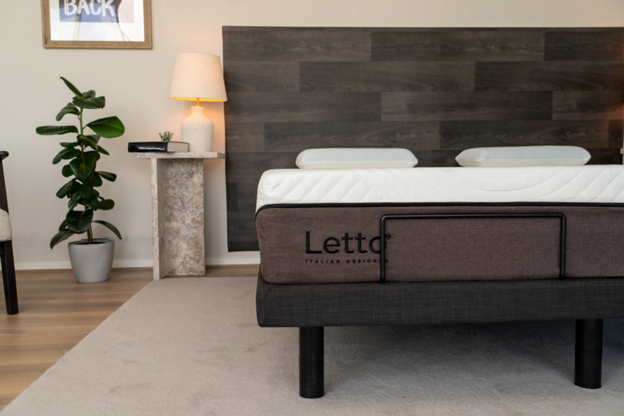
You spend a huge chunk of your life in bed—so it makes sense to make it as comfortable as possible, right? While we all know a good mattress is essential, your bed linen plays just as big a role in how well you sleep.
It’s not just about what looks nice (though we love that too). The material, texture, and fit of your sheets can help regulate your temperature, keep you comfy, and stop you from waking up sweaty or wrapped up like a burrito.
Here’s everything you need to know about finding bed linen that actually helps you sleep better.
Why Your Bed Linen Actually Matters
If you’ve always thought your mattress was the be-all and end-all of good sleep, you’re not alone. But the truth is, your sheets are doing a lot more behind the scenes than you might think.
The right fabric can help keep you cool, wick away moisture, and feel soft against your skin—all of which make it easier to drift off and stay asleep.
Cotton and linen are both naturally breathable, so they let air flow and help you avoid that sticky, overheated feeling at night. And a soft texture? That’s a game-changer. It helps your body relax and settle down quicker, meaning more solid sleep and less tossing and turning.
Choosing the Right Fabric
Not all bed linen is created equal—and the fabric you go for can really shape how your bed feels. Some are super breathable, some are silky smooth, and others are better at managing temperature. Here’s a quick breakdown of your options:
Cotton
An absolute classic. Cotton is soft, breathable, and easy to look after. Egyptian and Supima cotton are the luxury versions—they use longer fibres, which make them stronger and smoother.
Good if you want:
Breathable sheets that feel soft but still crisp
Something low-fuss and easy to wash
Watch out for:
Shrinking if you use hot water
Lower-quality cotton can go bobbly (pilling) over time
Linen
Linen’s made from flax and has that lovely, slightly rumpled texture. It’s naturally breathable and temperature-regulating, so it keeps you cool in summer and cosy in winter. It also gets softer the more you wash it.
Great for:
Hot sleepers
People who like that relaxed, laid-back look
But be aware:
It can feel a bit rough at first
It wrinkles easily (which some people love, but it’s not for everyone)
Bamboo
Bamboo sheets have a soft, silky feel and are a brilliant choice if you’ve got allergies or sensitive skin. They’re also eco-friendly, which is always a bonus.
Best for:
A smooth, cool feel without the price tag of silk
Anyone after a more sustainable option
The catch?
Some versions are blended with synthetic fibres, which can reduce the natural benefits
Can wrinkle a bit more than cotton
Silk
If you want the full luxury hotel vibe, silk’s the way to go. It feels amazing, regulates temperature well, and is super gentle on your skin and hair.
Perfect for:
People who want something really luxe
Those with sensitive skin or hair
Heads up:
It’s pricey
You’ll need to be careful with washing—no chucking it in with your towels
Microfiber
Microfibre might not have the same heritage as cotton or linen, but it’s quickly become a favourite—for good reason. It’s incredibly soft, easy to care for, and keeps its shape and feel wash after wash. Plus, it doesn’t wrinkle easily, which means your bed always looks tidy with minimal effort.
At Letto, we use premium-quality microfibre that’s specially designed to be breathable and gentle on skin. It wicks away moisture, feels light and smooth, and helps regulate temperature throughout the night.
Why we love it:
Ultra-soft and cosy straight out of the box
Low-maintenance—no shrinking, pilling, or fuss
Wrinkle-resistant and long-lasting
Hypoallergenic and great for sensitive skin
Designed to stay cool and comfortable all night
If you’re after bedding that’s practical, reliable, and genuinely comfy—microfibre is a brilliant choice. It’s everything you want in everyday sheets, without the high-maintenance care that comes with some natural fabrics.
Let’s Talk Thread Count (It’s Not What You Think)
You’ve probably heard people bang on about thread count, but here’s the thing—it’s not the whole story.
Thread count refers to how many threads are woven into one square inch of fabric. Sounds simple enough. But a high thread count doesn’t automatically mean better quality. Some brands inflate it by twisting lots of tiny fibres together to bump up the number—it looks impressive, but it doesn’t always make for better bedding.
What actually matters more?
The type of fabric – Microfibre, cotton, bamboo… they all perform differently, regardless of count
The weave – Sateen has a silky finish, while percale feels cool and crisp
How it feels to you – Comfort is personal. Go with what suits your sleep style
If you like silky softness:
Microfibre sheets hit the sweet spot. They’re soft, smooth, and stay that way—without needing high thread counts to do the job.
Want something that lasts?
Microfibre wins here too. It’s durable, holds up to regular washing, and doesn’t fade or fray easily. Less fuss, more sleep.
How to Choose Based on Softness vs. Durability
Instead of focusing solely on the thread count, look at the fabric and weave. Natural fibres like cotton and bamboo are more breathable and comfortable than synthetic materials like microfiber.
Weave matters too—sateen weaves feel smooth and silky, while percale has a crisp, cool texture.
If you want softer sheets: Look for a thread count between 300 and 500 in cotton or bamboo. This range is soft but still breathable.
If you need something durable: Go for a lower thread count (200–400) in high-quality cotton. It might feel a bit crisper, but it’ll hold up better over time.
Getting the Right Fit (Because Nothing’s Worse Than a Sheet That Pops Off)
Modern mattresses come in all sorts of shapes and sizes, and if you’ve got one with extra depth or an adjustable frame, it’s especially important to get sheets that actually fit.
How to measure
Grab a tape measure and note the length, width, and depth of your mattress. If it’s got a pillow top or you’ve added a topper, you’ll likely need deep-pocket fitted sheets.
Letto’s fitted sheets are designed with generous depth and flexible corners—so they stay put, even if your bed adjusts or moves.
Flat sheets? Make sure they give you enough coverage for a neat, tucked-in look or that effortless, draped-over-the-bed vibe. Your choice.
What About Adjustable Beds?
If you’ve got an adjustable bed, you’ll already know the challenge of keeping your sheets in place. Standard bedding just doesn’t cut it.
Letto bedding is made to move with your bed. Our fitted sheets are tailored for split adjustable bases, so they flex and stay secure—no matter how much you raise or lower the head or foot of the bed.
Our sets come ready to go:
Split Queen: Two half-queen fitted sheets, one queen flat sheet, two pillowcases
Split King: Two long single fitted sheets, one king flat sheet, two pillowcases
Split Super King: Bigger bed? No problem—same structure, just more space
No slipping. No bunching. Just bedding that works with your lifestyle.
Got Allergies or Sensitive Skin? Here’s What to Know
If you wake up feeling stuffy or itchy, your bed linen might be part of the problem. Dust mites, pet dander, and moisture can all build up in your bedding, especially if the fabric isn’t breathable or easy to clean.
Letto’s microfibre sheets are a great option for sensitive sleepers. They’re:
Hypoallergenic: Naturally resistant to dust mites and allergens
Moisture-wicking: Keeps you dry and comfortable
Smooth and gentle: Kind to skin and great for those with allergies
Pair them with one of our mattress protectors for an added layer of defence against allergens—and to keep your mattress fresher for longer.
Match Your Bedding to Your Room’s Mood
Soft, neutral tones like beige, white, and soft blues can create a relaxing atmosphere. If you prefer deeper colours, stick with calming shades like forest green or navy. Keep patterns subtle, such as using patterned bedding in neutral or earthy tones, to avoid visual clutter that might overstimulate your mind.
Create a Bedroom That’s Built for Sleep
The feel of your bedding is one thing—but don’t underestimate the power of your bedroom space as a whole. The more calming and inviting it is, the easier it is to drift off.
Choose colours that feel soothing
Soft shades like white, beige, pale blue, or light grey can help create a peaceful vibe. If you prefer darker tones, try something grounding like navy or olive green—just steer clear of loud patterns or clashing prints that can feel busy or overstimulating.
Layer it up
Start with a breathable sheet set (hint: microfibre is ideal), then add a cosy blanket or throw, and top it off with a lightweight duvet. This gives you the flexibility to adjust through the night—warm when you want it, cool when you don’t.
Keep it simple
A tidy space helps your mind switch off. Clear surfaces, soft lighting, and blackout curtains can all help create a proper wind-down environment.
Good bedding is an investment in better sleep—but it only works if you look after it. Luckily, Letto bedding is easy to care for. Here’s how to keep it feeling its best:
Washing tips:
Wash in cold or warm water—not hot, which can wear down fibres
Use a gentle detergent
Skip the fabric softener—it can build up on the fabric over time and reduce breathability
Drying + storing:
Air-dry when possible to maintain softness
If using a dryer, stick to a low heat setting
Store clean sheets in a fabric or breathable bag (never plastic)
Avoid direct sunlight, which can cause fading over time
Pro tip: rotate between two or three sets of sheets to keep them fresher longer and reduce wear and tear.
Why Letto’s Linen Makes All the Difference
Your bed should be your sanctuary, and Letto’s microfibre linen makes that happen. Our sheets are soft, breathable, and durable, so you can actually enjoy slipping into bed at night without dealing with scratchy fabric or sheets that lose their shape after a few washes.
Soft, Durable, and Hypoallergenic
Letto’s microfiber sheets are some of the best quality bed linen. It’s ultra-soft and moisture-wicking, helping to regulate body temperature while staying gentle on sensitive skin. The wrinkle and fade-resistant material holds up wash after wash, maintaining a fresh, crisp feel.
Perfect for Adjustable Beds
If you’ve got an adjustable bed, Letto has you covered—literally. Our sheet sets come with two fitted sheets designed to stay in place so you’re not waking up to tangled corners in the middle of the night.
And while they work well with other adjustable beds they are perfectly designed to fitLetto’s signature adjustable bed, providing a snug and secure fit every time.
Keeping Things Clean
Letto’s mattress covers andprotectors make it easy to keep your bed fresh and clean. Just unzip and toss them in the wash to handle dust, allergens, and the occasional spill. Our waterproof protector even guards against stains without that annoying plastic feel.
Letto’s bedding is designed to make your life easier—and your sleep better.
Final Thoughts: Investing in Better Sleep
The right bed linen can seriously upgrade your sleep. Breathable fabrics, the right thread count, and a perfect fit all make a difference in how well you rest. Taking care of your bedding also helps it last longer and stay comfortable.
If you’re ready to get the ultimate good night’s sleep, Letto’s high-quality linen and mattress covers are designed to give you the comfort you deserve. After all, better sleep starts with better bedding.
Good sleep isn’t just about how many hours you spend in bed—it’s about how well your body follows its natural rhythm. That’s where your circadian rhythm comes in.
This internal body clock plays a huge role in when you feel awake, when you start to feel tired, and how well you actually sleep. Understanding how it works—and how to keep it in sync—can make a massive difference to your energy, focus, and overall wellbeing.
Let’s take a look at what the circadian rhythm is, why it matters, and how to work with it (not against it) for deeper, better sleep.
What is the Circadian Rhythm?
Your Body’s Biological Clock
Your circadian rhythm is a 24-hour cycle that helps regulate your sleep-wake patterns. It’s controlled by a part of the brain and influenced mainly by light and darkness. Think of it as your body’s natural schedule for sleep, energy, digestion, and even hormone levels.
How Light and Darkness Affect It
Light = Stay Awake – When your eyes detect daylight, your brain reduces melatonin production (the sleep hormone) and increases alertness.
Darkness = Time to Sleep – As the sun sets, your brain boosts melatonin production, helping you relax and prepare for sleep.
Why It Matters
When your circadian rhythm is in balance, you tend to fall asleep more easily, stay asleep longer, and wake up feeling refreshed. But if it’s out of sync? That’s when things can get tricky—restless nights, groggy mornings, and even long-term health issues.
Disruptions to your rhythm can throw everything off—from your energy levels to your appetite to your mental clarity. So keeping it steady is one of the best things you can do for your sleep and overall wellbeing.
How It Impacts Your Sleep
Regulates the Sleep-Wake Cycle
Your circadian rhythm and sleep-wake cycle work hand in hand. When they’re aligned, you’ll naturally feel sleepy at the right time and wake up more easily. But when they’re off, it can be hard to fall asleep, stay asleep, or feel rested—even if you technically got enough hours.
What Disrupts Your Circadian Rhythm
Here are a few of the usual culprits:
Jet Lag Disorder: Traveling across time zones confuses your body’s internal clock, making it harder to adjust to a new schedule.
Shift Work Disorder: Shift workers who are working nights or rotating shifts are forced to stay awake when their body naturally wants to sleep which disrupts circadian rhythms.
Inconsistent Sleep Schedule: Going to bed and waking up at different times every day confuses your internal clock and reduces sleep quality causing circadian rhythm disruption.
Discover the best time to wake up to feel energised and well-rested. Aligning your wake-up time with your natural sleep cycle can make all the difference.
Why a Healthy Rhythm Is About More Than Sleep
Keeping your circadian rhythm balanced doesn’t just help you feel rested—it supports your overall health, too. When things are out of sync, it can lead to:
Weight gain: Tiredness messes with hunger hormones, making you crave sugary or carb-heavy foods
Lower immunity: Poor sleep can make it harder for your body to fight off bugs
Mental health dips: Disrupted sleep can worsen anxiety, depression, and mood swings
Heart issues: Irregular sleep patterns have been linked to high blood pressure and heart disease
Brain fog: Lack of proper rest impacts memory, focus, and decision-making
Get your circadian rhythm back in balance, and your body (and brain) will thank you.
Signs Your Circadian Rhythm Might Be Off
If your sleep feels all over the place, you might be dealing with a circadian rhythm sleep disorder. Here’s what to look out for:
Daytime Fatigue
Still tired after eight hours in bed? If your rhythm is off, your body might not be moving through the proper sleep stages—leaving you feeling drained before the day’s even started.
Mood Changes
When your sleep is off, your emotions tend to follow. This can cause anxiety, irritability, and mood swings. Your body needs proper rest to keep mood-regulating hormones in check.
Brain Fog
Ever walk into a room and immediately forget why you’re there? Or struggle to get through a basic to-do list? Poor sleep from a misaligned rhythm makes it harder for your brain to focus and remember things.
Craving Unhealthy Foods
Feeling tired makes your body produce more of the hunger hormone, ghrelin—which is why you suddenly want a doughnut at 3pm even though you had lunch.
How to Reset Your Circadian Rhythm
The good news? You can absolutely get things back on track. Here’s how to help your internal clock reset and get back in sync:
Stick to a Consistent Sleep Schedule
I know it’s tempting to sleep in on the weekend, but your body thrives on routine. Going to bed and waking up at the same time every day (yes, even Saturday) helps your body settle into a natural rhythm.
Get Sunlight in the Morning
First thing in the morning, step outside or sit by a window. Natural light tells your brain, “Hey, it’s time to wake up,” and helps stop melatonin production so you feel more alert.
The suprachiasmatic nucleus, acting as the master clock in the brain, uses this light to regulate the body’s circadian rhythms, ensuring proper alignment with environmental changes.
Cut Back on the Late-Night Scrolling
I get it — it’s hard to resist a little doom-scrolling before bed. But blue light from your phone tricks your brain into thinking it’s still daytime, which messes with melatonin production. Try switching to a book or a podcast instead.
Create a Comfortable Sleep Setup
Your bedroom should feel like a sleep sanctuary. Cool, dark, and quiet is the goal. High-quality bedding and a supportive mattress make a huge difference. Letto’s adjustable beds and soft linens can help you create a space that makes you want to curl up and sleep.
Ease Up on the Late-Night Coffee and Snacks
That 4 PM latte might seem harmless, but caffeine sticks around in your system for hours. Try cutting off caffeine by mid-afternoon. And those late-night snacks? Heavy foods before bed can mess with digestion and keep you up.
How Letto Can Help
Adjustable Beds for Better Sleep Positioning
Finding the right sleep position is key to improving sleep quality.Letto’s adjustable beds let you raise or lower your head and legs, helping you breathe easier, reduce pressure points, and find a position that works with your body’s natural rhythm.
Additionally, these beds can help align the body’s circadian clocks, promoting better sleep-wake cycles and overall physiological balance.
Mattresses That Support Deep Sleep
A mattress that’s too soft or too firm can throw off your sleep cycle.Letto’s mattresses are designed to provide the right balance of support and comfort, helping your body relax and transition through sleep stages more smoothly.
High-Quality Linens for Comfort
Temperature matters.Letto’s breathable, soft linens help regulate body temperature, keeping you comfortable all night long. No more tossing and turning because you’re too hot or too cold.
High-quality linens can also support the circadian system by promoting a stable sleep environment, which is crucial for maintaining regular sleep patterns and overall mental health.
Create a Relaxing Sleep Environment
Your bedroom should be a cosy, chill space where you can actually relax. Letto’s sleep products make it easy to create a calming setup that helps your body unwind and follow its natural sleep rhythm.
Take the First Step Toward Better Sleep
Your circadian rhythm holds the key to better sleep and better health. By understanding how it works and making simple changes to support it, you can improve your sleep quality and feel more energised during the day.Letto’s adjustable beds, supportive mattresses, and premium linens are designed to help you create the perfect sleep environment. Take the first step toward the sleep you deserve —explore Letto’s products todayand start sleeping better tonight.
If you’ve ever woken up feeling groggy despite a full night’s sleep, struggled to concentrate, or found yourself more irritable than usual, REM sleep might be the missing link. This crucial sleep stage is when your brain does some of its most important work—processing emotions, sorting memories, and strengthening cognitive function.
But here’s the problem: many people don’t get enough REM sleep. Late nights, stress, and screen time all take a toll, leaving you with fragmented sleep that skips over this essential stage. So, what exactly is REM sleep, and how can you make sure you’re getting enough of it? Let’s dive in.
What Is REM Sleep?
REM (Rapid Eye Movement) sleep is the most active stage of sleep, where brain activity spikes, dreams become vivid, and your body temporarily paralyses itself to prevent you from acting out those dreams. This stage kicks in about 90 minutes after you fall asleep, with cycles getting longer as the night progresses.
One of the biggest mistakes people make is cutting sleep short. Since REM sleep mostly happens in the second half of the night, waking up too early or falling asleep too late dramatically reduces how much REM sleep you get. If your alarm is set for 5 AM after a midnight bedtime, you’re probably missing out on the most REM-rich hours of sleep.
Why Is REM Sleep So Important?
Helps consolidate memories and process information from the day
Regulates emotions, reducing stress and improving mood stability
Enhances problem-solving and creativity
Supports overall cognitive function and mental sharpness
Without enough REM sleep, your brain struggles to retain information, and emotional regulation becomes more difficult. That’s why a bad night’s sleep often leaves you feeling scattered or unusually reactive.
How Much REM Sleep Do You Need?
The amount of REM sleep you get depends on how long you sleep. On average, REM sleep should make up about 20-25% of your total sleep time—or roughly 1.5 to 2 hours in an 8-hour night.
Age Group
Percentage of Total Sleep in REM
Infants
50%
Children
25-30%
Adults
20-25%
Seniors
Slightly less than 20%
Because REM sleep happens in cycles, the more consistent and uninterrupted your sleep, the more REM sleep you accumulate.
Signs You’re Not Getting Enough REM Sleep
If your REM sleep is lacking, you’ll notice it in more ways than just feeling tired. A shortage of REM sleep can show up as:
Grogginess or brain fog in the morning, even after a full night’s sleep
Difficulty focusing or remembering things
More emotional sensitivity, increased stress, or mood swings
Extremely vivid or intense dreams when you finally catch up on REM sleep (a sign of REM rebound)
If these sound familiar, it’s time to make some adjustments—starting with how you approach sleep itself.
How to Get More REM Sleep Without a Total Lifestyle Overhaul
The good news? You don’t need to completely revamp your life to improve REM sleep. Small, strategic changes can dramatically increase the amount of REM sleep you get each night.
Stick to a Sleep Schedule
Your body’s internal clock thrives on consistency, and irregular bedtimes throw off your sleep cycle. If you frequently shift your bedtime or wake-up time, you’re making it harder for your body to enter deep and REM sleep. Even on weekends, try to keep your bedtime and wake-up time within an hour of your usual schedule. The more stable your routine, the more efficient your sleep cycles become, ensuring you get the full amount of REM sleep you need.
Improve Your Sleep Environment
Tossing and turning at night means less time in REM sleep. A comfortable and supportive bed plays a huge role in how long and deeply you sleep. If your mattress doesn’t support you properly, you might be waking up more often than you realise, reducing overall REM sleep. Consider an adjustable bed or high-quality mattress that reduces movement and discomfort. A well-supported sleep position allows you to stay in deeper sleep stages longer, ensuring you reach—and stay in—REM sleep for the full cycle.
Watch Your Evening Habits
What you do in the hours before bed directly affects how much REM sleep you get. Alcohol, large meals, and late-night caffeine can all interfere with your ability to stay in REM sleep. While alcohol might help you fall asleep faster, it suppresses REM sleep later in the night, leading to lower-quality rest. Try to stop drinking alcohol at least three hours before bed, and if you’re hungry late at night, opt for something light like a banana or a handful of almonds instead of a heavy meal.
Cut Down on Screen Time Before Bed
Scrolling through your phone or watching TV right before bed delays REM sleep by suppressing melatonin, the hormone that signals sleep. The blue light from screens tricks your brain into thinking it’s still daytime, making it harder to fall into a deep, restorative sleep. If screens are part of your nightly routine, switch your phone to night mode or use blue light-blocking glasses. Better yet, swap the screen for a book or relaxation technique—both of which help transition your brain into sleep mode.
Manage Stress and Wind Down Properly
If your mind is still racing when you go to bed, it’s much harder for your body to enter REM sleep. Stress keeps cortisol levels high, which interferes with the natural sleep cycle and can leave you tossing and turning. Creating a calming pre-sleep routine can make a significant difference. Whether it’s deep breathing, journaling, or reading, a relaxing activity signals to your body that it’s time to wind down. Just 10 minutes of intentional relaxation before bed can help your brain transition into sleep mode more smoothly, ensuring you reach REM sleep faster.
Get Morning Sunlight
Your sleep-wake cycle is directly influenced by natural light. Getting exposure to sunlight in the morning helps regulate your circadian rhythm, making it easier for your body to transition into deep and REM sleep later at night. Try stepping outside for 10-15 minutes in the morning—whether it’s a short walk or having your coffee near a window. The natural light signals to your body that it’s time to be alert now, making it easier to wind down properly when bedtime comes around.
Better REM Sleep Means Better Days
REM sleep is one of the most important sleep stages, playing a key role in cognitive function, emotional stability, and overall well-being. If you’re constantly waking up tired, feeling mentally sluggish, or struggling to manage stress, improving your REM sleep could make a major difference.
The best part? You don’t need drastic changes to see results. By sticking to a consistent sleep schedule, reducing screen time, managing stress, and optimising your sleep setup, you can naturally boost your REM sleep—leading to better focus, improved mood, and deeper, more restorative sleep.
And if your bed is making it harder to get quality sleep? Letto’s adjustable beds and premium mattresses are designed to support deep, uninterrupted sleep—so you wake up feeling refreshed, focused, and ready for the day ahead.
Better sleep starts with the right foundation. Invest in quality rest, and your body will thank you.
At the end of a long day, there’s nothing better than sliding into a bed that feels fresh, soft, and inviting. The right bedding can make all the difference—not just in comfort, but in sleep quality, hygiene, and even mental wellbeing.
Yet, so many people struggle with scratchy fabrics, high-maintenance bedding, and sheets that don’t hold up over time. If that sounds familiar, it’s time to discover microfibre sheets—the bedding choice that’s as practical as it is comfortable.
From ease of care to temperature control, affordability to relaxation, here’s why microfibre sheets are a game-changer for your sleep and lifestyle.
1. Soft, Smooth, and Incredibly Comfortable—But Also Hygienic
Comfort is non-negotiable when it comes to sleep, and microfibre sheets deliver that silky-soft feel without the high price tag of luxury cotton. The ultra-fine fibres create a smooth texture that makes your bed instantly more inviting.
But microfibre isn’t just about softness—it’s also hygienic. The tightly woven fibres create a barrier against dust mites, pollen, and other allergens, making these sheets an excellent choice for anyone with sensitive skin or allergies.
Better Sleep Tip:
Pair your sheets with a Letto Mattress Protector to keep allergens and dust from settling into your mattress, creating a cleaner and healthier sleep environment.
2. Temperature-Regulating for Year-Round Comfort
A restless night can often be blamed on overheating or feeling too cold. Unlike some heavy fabrics that trap heat or light materials that feel too chilly in winter, microfibre sheets help maintain a steady and comfortable temperature.
The moisture-wicking properties pull excess heat and humidity away from your body, keeping you cool in summer, while the insulating fibres retain just the right amount of warmth during cooler months.
Better Sleep Tip:
To enhance airflow and comfort, layer your bed with a Letto Mattress Cover. A breathable mattress cover can prevent heat buildup and extend the life of your bedding.
3. Wrinkle-Resistant and Effortlessly Stylish
If you love the look of a crisp, well-made bed but don’t have time for constant upkeep, microfibre sheets are a perfect choice. Unlike cotton, which creases easily, microfibre is naturally wrinkle-resistant, meaning your bed always looks neat and inviting with minimal effort.
This also means less ironing and fuss, so you can spend more time actually enjoying your bedroom rather than maintaining it.
Better Sleep Tip:
A clutter-free, well-made bed promotes a sense of calm and relaxation. Try making your bed every morning—it takes less than a minute with wrinkle-free sheets but can have a huge impact on your mood and productivity.
4. Stain-resistant and Easy to Maintain
Life happens—whether it’s a morning coffee spill, a pet jumping onto the bed, or kids turning your bedroom into their personal playground. Microfibre’s tight weave makes it naturally resistant to stains, meaning you can wipe away spills before they become permanent.
Unlike cotton, which absorbs stains quickly, microfibre gives you more time to clean up. It’s also machine washable and dries quickly, making laundry day a breeze.
Better Sleep Tip:
If you love crisp, clean bedding, washing your sheets weekly can enhance hygiene, relaxation, and sleep quality. Use a gentle detergent and avoid fabric softeners, as they can break down the fibres over time.
5. Durable Enough to Last, No Matter How Many Washes
A common issue with low-quality bedding is that it starts off feeling soft but fades, shrinks, or pills after a few washes. Microfibre sheets, on the other hand, are designed to hold their shape, colour, and texture over time.
Their synthetic composition makes them resistant to fraying, thinning, or breaking down, meaning you can wash them as often as needed without worrying about wear and tear.
Better Sleep Tip:
Own at least two or three sets of sheets and rotate them weekly. This not only extends the life of your bedding but also ensures your bed always feels fresh and inviting.
6. Naturally Hypoallergenic and Ideal for Sensitive Sleepers
If you wake up with itchy skin, congestion, or frequent sneezing, your bedding could be to blame. Dust mites, bacteria, and allergens can settle into sheets over time, affecting your breathing and sleep quality.
Microfibre’s tight weave naturally repels dust mites and allergens, making it an excellent option for asthma sufferers and those with allergies.
Better Sleep Tip:
To reduce allergens in your bedroom, wash your sheets in hot water at least once a week, vacuum your mattress regularly, and check out our guide on What Is Sleep Hygiene? for more ways to create a healthier sleep space.
7. Affordable Enough to Own Multiple Sets
Luxury bedding often comes with a luxury price tag, but microfibre gives you the best of both worlds—affordable, high-quality comfort that lasts.
Because they’re so cost-effective, you can afford to keep multiple sets on hand, making it easy to swap out colours, update your décor, or always have a fresh set ready.
Better Sleep Tip:
Choose light, airy colours for summer and darker, cosy tones for winter to match the mood and season of your space.
8. Promotes Relaxation and Better Sleep Hygiene
Your sleep environment plays a significant role in mental wellbeing and relaxation. A clean, inviting bed can lower stress, improve mood, and signal to your brain that it’s time to unwind.
Make The Smartest Bedding Upgrade You Can
Microfibre sheets stand out because they aren’t just soft and comfortable—they offer so much more. They create a hygienic sleep environment, regulate temperature to help you sleep better, and make maintaining a fresh, inviting bed effortless. Plus, they are durable enough to last for years without losing their quality.
The Letto Difference: A Better Night’s Sleep, Every Night
Choosing the right bedding is about more than just fabric—it’s about creating the best sleep environment possible.
At Letto, we believe great sleep starts with great bedding. That’s why we offer high-quality linen sets designed to complement your lifestyle, enhance your comfort, and make bedtime something to look forward to.
If you’re ready to upgrade your sleep, explore our Letto Linen Sets—available in Split Queen, Split King, and Split Super King sizes—to find the perfect fit for your bed.
Because a better night’s sleep doesn’t just happen—it starts with the right bedding.
Tired of waking up to complaints about your snoring? Or maybe you’re the one losing sleep because of a noisy partner? Snoring isn’t just an annoyance—it can seriously affect your rest and health. The good news? The right mattress can make a huge difference.
In this guide, we’ll break down how your mattress impacts snoring, what to look for in a snoring-friendly bed, and which sleep solutions can help you (and your partner) finally get the quiet, restful sleep you deserve.
So, What Is Snoring – And Why Do We Do It?
Snoring is one of those things that seems harmless—until you’re the one dealing with it night after night. Whether it’s you waking up with a dry mouth and a sore throat or your partner throwing in the towel and moving to the spare room, snoring can seriously affect your sleep (and your relationships).
But why do we snore? It happens when airflow gets partially blocked while you sleep, causing vibrations in your throat. That’s what creates that familiar, not-so-pleasant sound. Sometimes, snoring is just an occasional annoyance, but it can also be a sign of poor sleep posture, nasal congestion, weight-related airway obstruction, or even an unsupportive mattress.
What many people don’t realise is that your mattress plays a big role in how much you snore. The right one can help keep your airway open, while the wrong one can make snoring worse.
Can a Mattress Really Help With Snoring?
Yes—and if your mattress is old, unsupportive, or simply not suited to your sleeping position, it might be making things worse.
Think about it—if your mattress lets your body sink too much or doesn’t keep your spine properly aligned, it can cause your airway to become restricted. This forces your body to work harder just to breathe while you sleep. The result? Louder snoring, more restless nights, and waking up feeling groggy instead of refreshed.
How the Right Mattress Helps Reduce Snoring
Supports healthy spinal alignment, keeping your airway open
Prevents excess sinking, so your head and neck aren’t forced into awkward angles
Encourages side sleeping, which naturally reduces snoring
If you or your partner are tired of battling through sleepless nights, it might be time to consider whether your mattress is helping or hurting your ability to breathe freely.
How to Choose the Best Mattress for Snoring Relief
Firmness Level: Finding the Sweet Spot Between Soft and Supportive
Your mattress should provide enough support to keep your body in a neutral, well-aligned position—but still be comfortable enough to help you relax. If it’s too soft, your body sinks too much, which can push your airway into a more restricted position. Too firm, and you’ll feel uncomfortable and might toss and turn all night.
A medium-firm mattress is ideal for most snorers because it strikes the right balance between comfort and support. If you’re not sure what’s best, a hybrid mattress—which combines memory foam and coils—can give you the best of both worlds.
Memory Foam, Latex, or Hybrid – Which One Is Best?
Not all mattresses are created equal, especially when it comes to keeping your airway clear while you sleep.
Memory Foam: Moulds to your body and keeps your spine aligned, which can help reduce airway blockages. A great option—just make sure it has cooling properties if you tend to sleep hot.
Latex: More responsive and breathable than memory foam, making it easier to switch positions throughout the night.
Hybrid: A combination of foam and coils that provides support, pressure relief, and airflow, which is great for people who want a well-rounded mattress.
If you’re looking for a mattress that helps keep your spine in a neutral position while also offering enough cushioning for pressure relief, the Letto Mattress is a great option. It provides the right balance of support and comfort to help side sleepers maintain an open airway, which can significantly reduce snoring.
Why Adjustable Beds Are a Game-Changer for Snorers
One of the best ways to minimise snoring is to elevate your head slightly while you sleep. This helps prevent gravity from pulling your tongue and throat tissues backward, keeping your airway clearer.
With an adjustable bed, you can customise your sleep position to reduce snoring and improve comfort. Studies show that even a slight elevation of 7-10 degrees can make a big difference.
For example, an adjustable bed can help position your upper body at the right angle to improve airflow, reducing nighttime interruptions from snoring. The Letto Adjustable Bed makes this easy, allowing you to adjust your sleeping position for better breathing and overall comfort.
Other Benefits of Adjustable Beds
Reduces acid reflux and sleep apnoea symptoms
Helps with neck and back pain by improving posture
Enhances circulation and reduces pressure points
How Sleep Position Affects Snoring
Your sleeping position has a direct impact on how much you snore.
Back Sleepers: Snoring is most common in this position because gravity pulls the tongue backward, partially blocking the airway. If you can’t switch to side sleeping, an adjustable bed or supportive pillow can help.
Side Sleepers: The best position for reducing snoring, as it keeps your airway more open. A mattress with good pressure relief helps you stay comfortable while sleeping on your side. A medium-firm mattress, like the Letto Mattress, can help you stay in a side-sleeping position longer, preventing airway collapse.
Stomach Sleepers: Less likely to snore but more likely to wake up with neck and back pain. A medium-firm mattress and a low-loft pillow can help maintain alignment.
Your mattress isn’t the only thing affecting your snoring—your pillow is just as important. If your pillow is too thick, it can push your head forward, restricting airflow. If it’s too flat, it may not provide enough support to keep your airway open.
Best Pillows for Snoring Relief
Memory Foam Pillows: Contour to your neck for better support
Wedge Pillows: Slightly elevate your head to improve airflow
Adjustable Loft Pillows: Allow you to customise the height for the best spinal alignment
If you’re struggling to find the right pillow height, an adjustable pillow can help by letting you fine-tune the support to fit your sleep position. The Letto Pillow is designed to keep your head and neck in the optimal position, which can help maintain an open airway and reduce snoring.
Why Investing in the Right Mattress Matters
Snoring isn’t just an inconvenience—it can have real consequences for your energy levels, health, and even your relationships. When your airway is restricted, your body has to work harder to breathe, leading to fatigue, poor concentration, and increased health risks over time.
A high-quality mattress can transform your sleep quality by improving posture, reducing airway blockages, and making it easier to sleep comfortably in a position that reduces snoring. The right mattress won’t just help you—it can make a huge difference for your partner, too.
Why Letto Is the Best Choice for Snoring Relief
At Letto, we design mattresses with comfort, support, and better sleep in mind. Our mattresses and adjustable beds are built to encourage proper spinal alignment, promote airflow, and provide the right level of firmness to help reduce snoring.
If you’re ready for quieter nights, better sleep, and waking up refreshed, it’s time to upgrade your sleep setup. Explore Letto’s snoring-friendly mattresses today—your sleep (and your partner) will thank you.