
Is Your Pillowcase Causing Breakouts? The Complete Guide to Skin-Friendly Bed Linen
The Quick Version
- A pillowcase collects oil, dead skin cells, bacteria, and leftover product night after night. All of that presses back against your face while you sleep.
- Fabric matters: rough or highly absorbent materials can increase friction and trap oil against the skin for hours.
- The best pillowcase for acne is breathable, moisture-wicking, hypoallergenic, and tough enough to wash frequently at high temperatures.
- Silk pillowcases produce less friction than cotton, but no published clinical trial has proven that any fabric prevents or reduces acne.
- Dermatologists consistently say washing frequency matters more than fabric type. For breakout-prone skin, that means every two to three days.
- One-sided breakouts that match your sleeping position are a strong sign your pillow is part of the problem.
Disclaimer: This article provides general information only and is not intended as medical advice. If you are experiencing persistent acne or skin concerns, please consult a qualified healthcare professional. In Australia, you can speak to your GP, contact Healthdirect on 1800 022 222, or visit your local dermatologist.
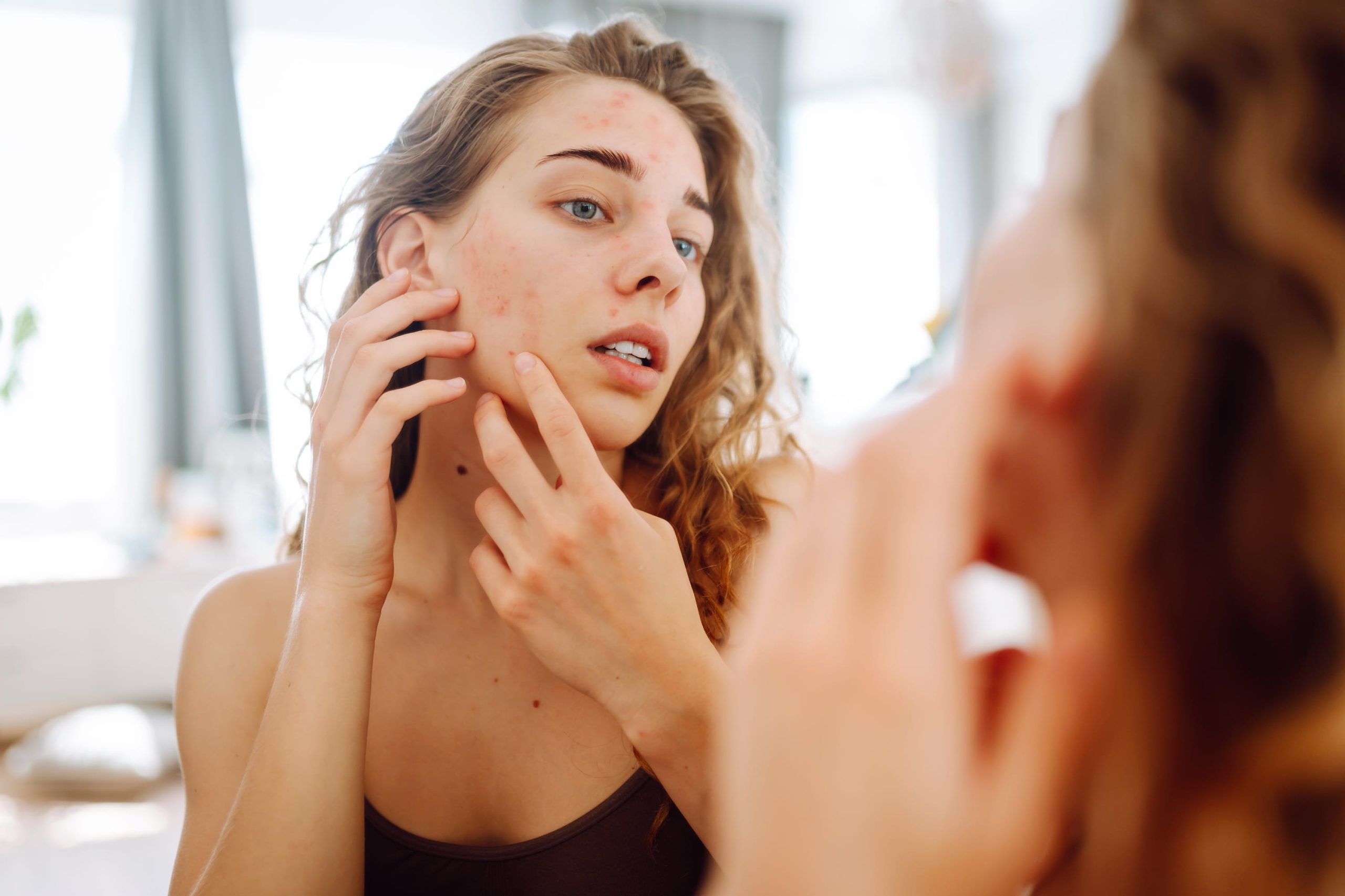
You cleanse, you moisturise, and you try every serum your feed swears by. But if breakouts keep showing up in the same spots, the problem might not be your skincare routine. Instead, it might be the thing you press your face into for eight hours every night. Do the maths: six to eight hours a night, every night, adds up to roughly 2,500 hours a year with your face against fabric. That’s a lot of time for a dirty pillowcase to undo the work your skincare is trying so hard to do.
What’s Actually on Your Pillowcase
During those hours, your skin doesn’t switch off. Oil glands (called sebaceous glands) keep producing sebum, the oily substance that moisturises the skin, but also clogs pores when there’s too much of it. Sweat glands stay active, especially in warmer months or if the bedroom is above the recommended 15–19°C range, and dead skin cells shed naturally. Any skincare products applied before bed transfer partially onto the pillowcase surface.
All of this accumulates, and by the end of a week, a pillowcase holds a cocktail of sebum, sweat, dead cells, product residue, and dust. A study from the University of Manchester found that every pillow tested contained substantial fungal contamination, with between four and sixteen species per pillow, including a mould called Aspergillus fumigatus in all ten samples examined.
The question isn’t whether pillowcases get dirty, because we know that they absolutely do. The question is how much that buildup affects your skin.
Three Ways Your Pillowcase Feeds Breakouts
It hoards your oil
Cotton pillowcases can absorb up to 27 times their weight in water, which means they’re soaking up your skin’s natural oils and whatever products you applied before bed. Night after night, that residue builds up and presses back against your face. Board-certified dermatologist Dr Anna Chacon describes cotton pillowcases as collecting “natural oil and bacteria from your face and hair,” creating what she calls a bacterial breeding ground on the fabric surface.
If you have oily skin, this cycle is even faster. The pillowcase essentially redeposits yesterday’s oil onto today’s freshly cleansed face.
It breeds bacteria
The bacterium most closely linked to acne is called Cutibacterium acnes (sometimes written as C. acnes). It thrives in oily, low-oxygen environments, which is exactly what a clogged pore looks like. While no study has specifically cultured this bacterium on pillowcases, research confirms that textiles in prolonged skin contact develop their own bacterial ecosystem that can transfer acne-causing bacteria back to the user.
Research into “maskne” (acne caused by face masks during the pandemic) documented the same thing: fabric pressed against skin creates a warm, moist, sealed environment that disrupts the skin’s natural balance and triggers breakouts. A pillowcase does something similar for six to eight hours every night.
It drags across your skin
There’s a clinical term for breakouts caused by physical rubbing: acne mechanica. It was first documented in athletes dealing with breakouts from helmets, chinstraps, and pads, but the same principle applies to rough pillowcase fabric pulling across your face for hours. Sydney VanHoose, a board-certified nurse practitioner at Water’s Edge Dermatology, puts it simply: Acne is already an inflammatory condition, and rough fabrics make the inflammation worse.
Side and stomach sleepers cop it the worst. Research on skin-textile friction found up to a 2.5-fold difference in friction between the smoothest and roughest fabrics tested. Over thousands of hours of sleep, that difference adds up.
Fabrics That Work Against Your Skin
Not all pillowcases are created equal. In fact, some actively make breakouts worse.
Standard cotton is the most common pillowcase fabric and one of the most absorbent. It draws oil and moisture from the skin, dries slowly, and creates a warm, damp surface where bacteria thrive. For people with sensitive skin or active breakouts, cotton’s rough fibre structure can also irritate acne-prone skin through friction.
Polyester and synthetic satin blends feel smooth but are poor at regulating temperature. They trap heat and moisture against the face, which encourages sweating and pore congestion. VanHoose notes that while satin feels slippery, synthetic satin is actually more absorbent than it appears and doesn’t deliver the same benefits as natural fibres.
Flannel and fleece are heat-trapping fabrics that make nighttime sweating worse, especially during Australian summers when bedroom temperatures are already high. More sweat means more oil production, more bacterial growth, and more clogged pores.
What to Look for in a Skin-Friendly Pillowcase
Finding the best pillowcase for acne isn’t about spending the most money. It’s about matching fabric properties to what dermatologists actually recommend.
It breathes and wicks away moisture
A pillowcase that moves moisture away from the skin and allows airflow keeps the sleeping surface cool and dry. This matters because trapped heat and dampness create the exact conditions acne-causing bacteria prefer. For side sleepers, especially, a breathable fabric reduces the sweat that builds up where the cheek meets the pillow.
Research from the Alliance for European Flax-Linen & Hemp confirmed that natural fibres like linen provide the best moisture transfer between inner and outer fabric faces, meaning perspiration spreads and evaporates rather than pooling against skin.
It won’t drag across your face
The smoother the pillowcase, the less physical irritation on the skin. This is where silk pillowcases and high-thread-count microfibre earn their reputation. A mulberry silk pillowcase produces minimal friction, letting skin and hair glide rather than drag. Tightly woven microfibre with a sateen finish can reduce friction in a similar way, while being far more practical to care for day-to-day.
It survives frequent hot washing
This is where the practical advice matters most. Every dermatologist source in this guide recommends washing pillowcases every two to three days for breakout-prone skin, and the NHS guidelines recommend 60°C washes to kill bacteria and dust mites effectively. The best anti-acne pillowcase is one that actually survives this routine: machine washable, durable at higher temperatures, and quick-drying, so a fresh case is always ready.
This is where some popular options fall short. Bamboo pillowcases are soft and breathable, but can lose shape with frequent washing. Silk cannot be washed above 30°C, which is insufficient for killing pathogens.
The Silk Pillowcase Hype
Scroll through any skincare community on TikTok or Instagram, and you’ll see silk pillowcases credited for clearing skin, reducing wrinkles, and preventing frizz. Brands like Slip, Shhh Silk, and Blissy have built entire companies around these promises. In Australia, a single mulberry silk pillowcase costs between $55 and $120+, depending on momme weight (a measure of silk density) and brand.
The reality is that silk does have real strengths: lower friction than cotton, less absorbency (so it doesn’t soak up your moisturiser), and a surface that’s gentle on both skin and hair. Dermatologists like Dr Anna Chacon and Sydney VanHoose recommend silk for patients with sensitive skin, and those recommendations carry weight.
But the marketing has gone well beyond what the science supports.
No published, independent, peer-reviewed clinical trial has demonstrated that silk pillowcases prevent or reduce acne. The study cited most often (Wake Forest University, NCT00767104) actually tested a polyester-nylon blend with embedded antimicrobial technology, not real silk. It was funded by the pillowcase manufacturer, and its results were never published in a peer-reviewed journal. The only study using genuine silk (Schaunig & Kopera, 2017) tested silk bonded with a permanent antimicrobial coating on back acne, with just fourteen participants and no control group. The first properly designed trial comparing real silk to cotton for facial acne (NCT06142487) is still underway with no published results. Even a 2026 comprehensive review of non-pharmacological acne treatments that searched PubMed, MEDLINE, Cochrane, and ClinicalTrials.gov didn’t consider pillowcases worth mentioning.
Claims that silk is “naturally antibacterial” appear on almost every silk brand’s website. Dr Michelle Wong (Lab Muffin Beauty Science), a PhD cosmetic chemist, reviewed the evidence and found no peer-reviewed studies supporting this claim for plain, untreated silk. Curology (medically reviewed by a dermatologist) is direct: “There is currently no research linking specific pillowcase materials to the risk of acne.”
There’s also the practical issue. Silk needs to be hand-washed or machine-washed on a delicate cycle at 30°C maximum, which is not hot enough to kill bacteria and dust mites. It typically lasts one to three years with careful handling. A quality microfibre sheet set that includes two pillowcases costs $30–60 in Australia, can be machine-washed at 60°C, tumble-dried, and lasts for years. That’s a significant price difference for a product with no clinical proof that it works better than a clean, breathable, regularly washed alternative.
Silk isn’t bad for your skin. But the gap between what the marketing promises and what the evidence actually supports is wide.
Is It Your Pillow or Your Hormones?
This is the question worth asking before you overhaul your bedding. Acne has multiple causes, and not every breakout is your pillowcase’s fault. But there are specific patterns that point toward your pillow being involved.
Check where breakouts show up
Hormonal acne tends to cluster along the jawline, chin, and neck, and usually shows up as deep, painful cysts under the skin. These breakouts are driven by internal hormone fluctuations, not external irritants. Breakouts on the cheeks or the side of the face that press into the pillow are more likely to have an environmental or friction-related trigger.
Try the wash test
If your skin clears up noticeably after sleeping on freshly washed bed linen and then gradually gets worse over the next few days, that pattern points to pillowcase buildup as a contributing factor.
Track the timing
Hormonal breakouts tend to follow a cyclical pattern around menstruation, with 65 per cent of adult women noticing flares before their period. Pillow-related irritation doesn’t follow a cycle. It’s persistent and gets worse gradually between washes.
If basic changes (washing pillowcases every two to three days, cleansing before bed, tying hair back) produce visible improvement within two to four weeks, those factors were likely contributing. If breakouts persist, a GP or dermatologist is the right next step.
Seven Habits for Cleaner Skin Overnight
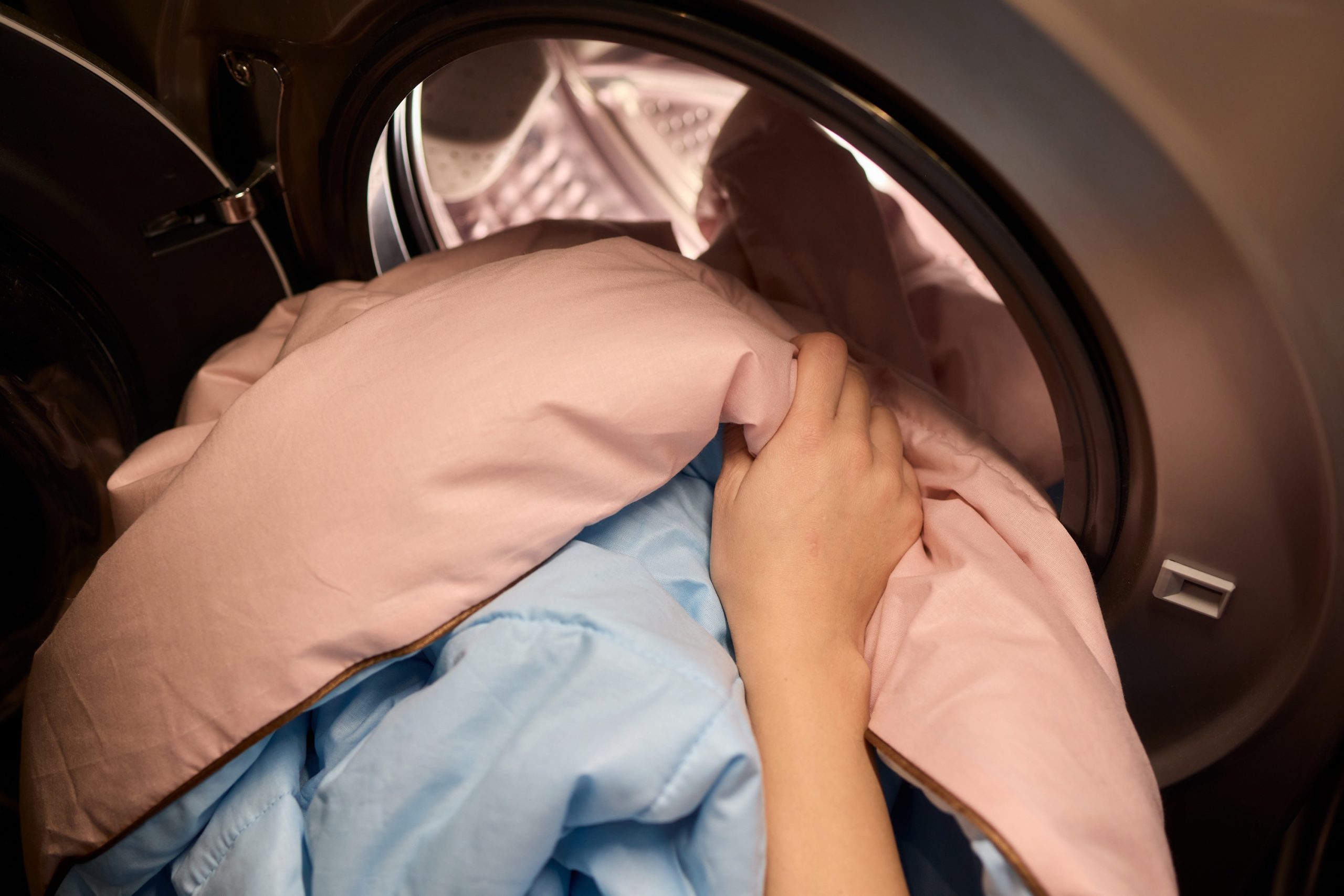
Wash pillowcases every two to three days
This is the single most effective change most people can make. Dr Davin Lim, a Brisbane-based Fellow of the Australasian College of Dermatologists, recommends changing pillowcases every three to four days for oily skin and more often in summer. Use fragrance-free, dye-free liquid detergent, and skip the fabric softener. Softeners leave a waxy residue that can clog pores.
Let skincare absorb before bed
If you apply retinoids, serums, or moisturisers at night, give them at least 30 to 60 minutes to soak in before your face hits the pillow. Otherwise, that product ends up on the fabric instead of in your skin.
Tie your hair up or cover it
The American Academy of Dermatology identifies hair products as a direct cause of breakouts along the hairline and forehead. Leave-in conditioners, oils, and serums transfer onto pillowcases and then re-contact your face. A loose bun, braid, or bonnet keeps product residue off the pillow.
Never sleep in makeup
The AAD doesn’t mince words: remove makeup before bed, no exceptions. Even products labelled non-comedogenic (meaning they’re formulated not to block pores) can cause breakouts when left on overnight. If you’re too exhausted for a full cleanse, a micellar water or makeup wipe is the minimum.
Flip the pillowcase mid-week
If washing every two days feels unrealistic, flipping to the unused side mid-week gives you a cleaner surface without extra laundry. It’s a compromise, not a permanent fix, but it helps.
Keep the bedroom cool
Overheating triggers sweating, and extra sweat on the pillow means extra oil and bacteria against your skin. Aim for a bedroom temperature of 15–19°C. Choosing bed linen designed for breathability makes a bigger difference than most people realise.
Use a separate face towel
Hair product residue on shared towels can transfer to facial skin. A clean towel designated just for your face, washed every two to three uses, cuts down on cross-contamination.
Built for the Wash Cycle Your Skin Needs
Everything in this guide comes back to one practical truth: the best pillowcase for acne is one that breathes, stays smooth on the skin, and holds up to frequent hot washing. That combination is harder to find than it sounds.
Which is where we step in. Here at Letto, we’re an Australian sleep company that designs Italian-engineered beds, mattresses, and bedding for people who take their rest seriously. Everything from the pillow to the base is built around a simple belief: sleep affects every part of your life, from how your body recovers to how your skin looks in the morning, and everyone deserves a setup that supports that.
Our sheet sets are made from ultra-soft 1800TC microfibre with a smooth, low-friction surface that won’t irritate acne-prone skin. They’re hypoallergenic and moisture-wicking, and they’re fully machine washable and quick-drying, so keeping up with the every-two-to-three-day wash cycle dermatologists recommend is actually doable, not just good advice you can’t follow. Every set is OEKO-TEX® Certified, meaning the fabric has been independently tested for over 1,000 harmful substances. For a closer look at why this fabric works, the guide to the benefits of microfibre sheets covers it in detail.
The Letto Pillow pairs an Ice Fibre breathable cover with gel-infused memory foam to wick away moisture and regulate temperature through the night. A cooler pillow means less sweat reaching the pillowcase, which means less of the buildup that feeds breakouts.
For anyone looking to upgrade the full sleep setup, our adjustable bed bases allow gentle head elevation, which can reduce facial puffiness and improve airflow around the face. Paired with a reversible-firmness mattress that you can flip between medium-soft and medium-firm, it’s a sleep environment designed for comfort and skin health from the pillow down.
Explore package deals to see the full range, or get in touch with the team if you have questions.
Your Pillowcase Won’t Cure Acne (But It Can Stop Making It Worse)
No pillowcase will fix a hormonal imbalance, change your genetics, or replace the treatment your dermatologist prescribes. Acne is a medical condition with real, complex causes, and the research is clear that what you sleep on is a secondary factor at best.
But secondary doesn’t mean irrelevant. A pillowcase that traps heat, absorbs oil, harbours bacteria, and drags across your skin for eight hours can make an already frustrating problem measurably worse. One that breathes, stays clean, and comes out of the machine ready to go two days later removes a variable you can actually control.
The best pillowcase for acne won’t replace a good skincare routine or a GP visit. But it makes everything else you’re already doing work a little harder while you sleep.
Frequently Asked Questions
Can a dirty pillowcase actually cause acne?
On its own, a dirty pillowcase is unlikely to cause acne in someone who isn’t already prone to it. But accumulated oil, dead skin cells, and bacteria on unwashed fabric can clog pores and make existing breakouts worse. Dermatologists describe this as an aggravating factor, not a root cause. If your skin gets better after fresh sheets and worse as the week goes on, your pillowcase is likely playing a role.
How often should I change my pillowcase if I have acne?
Most dermatologists recommend every two to three days for acne-prone or oily skin, and at least weekly for everyone else. Brisbane dermatologist Dr Davin Lim recommends increasing frequency during summer when sweating speeds up bacterial buildup. Washing at 60°C is recommended to effectively kill bacteria and dust mites.
Are silk pillowcases actually better for acne?
Silk produces less friction than cotton and absorbs less oil, which is why some dermatologists recommend it for sensitive skin. But no published clinical trial has proven that silk prevents or reduces acne. Silk also can’t be washed at the temperatures needed to kill bacteria (60°C), which may offset its surface advantages. At $55–120+ per single pillowcase in Australia, it’s a significant investment for a product without clinical proof.
What is the best pillowcase material for acne-prone skin?
The best pillowcase for acne balances low friction, breathability, moisture-wicking, and washability. The Sleep Foundation recommends silk, Tencel, and tightly woven microfibre as the gentlest options for breakout-prone skin. For people who need to wash frequently at high temperatures, microfibre and cotton-lyocell blends offer the best combination of skin-friendliness and practical durability.
Can sleeping position affect acne?
Yes. Side and stomach sleepers press one cheek into the pillowcase for hours, increasing friction, heat, and bacterial transfer on that side of the face. Back sleeping minimises pillow contact altogether. If breakouts appear mainly on one side, your sleeping position is likely contributing. Changing pillowcases more often or choosing a breathable, low-friction fabric can help reduce the impact.