

The gist of it:
Let’s be honest: most New Year’s resolutions don’t make it past Australia Day. Here’s what you’ll learn:
- 10 achievable resolution ideas for 2026 designed for real life, not Instagram perfection
- Why small, sustainable changes beat dramatic overhauls every single time
- The psychology behind habits that stick (and why others fail by February)
- Practical strategies for success from prioritising sleep to staying connected with loved ones
- Why quality rest is the foundation that makes all your other resolutions actually possible
Why most resolutions don’t stick (and how to change that)
Look, if your New Year’s resolutions typically make it to about mid-January before quietly disappearing, you’re not alone. Not even close. About 88% of people are right there with you. They’ve even given the second Friday of January a name: “Quitter’s Day.” Charming.
But here’s what matters: it’s not about you lacking willpower. It’s about the approach being fundamentally flawed from the start.
Think about how most resolutions sound. “Get healthy.” “Sleep better.” “Exercise more.” They’re inspiring on New Year’s Day, sure. But by the time real life kicks back in, busy schedules, managing discomfort, the general chaos of keeping everything together, these vague promises don’t stand a chance. It’s like building a house without a foundation and wondering why it won’t stay up.
Here’s the uncomfortable truth: you don’t rise to the level of your goals. You fall to the level of your systems. Without an actual plan, even the strongest intentions crumble the moment life gets complicated.
So this year, try something different. Instead of sweeping transformations that require you to become someone you’re not, focus on small, specific changes that actually fit into your real life. Not perfection. Just progress you can manage when you’re tired, busy, or honestly just not feeling particularly motivated.
And here’s where to start: with improving your sleep quality. Because it turns out that quality rest isn’t just another item on your resolution list, it’s the foundation that makes everything else actually possible.
10 New Year’s resolutions ideas

1. Stop treating sleep like it’s optional (because it really isn’t)
Here’s something you probably already know but maybe haven’t fully accepted: every other resolution on your list depends on you getting proper rest. Want to exercise more? Stay connected with friends? Manage your budget better? All of that starts with sleep.
You can’t willpower your way through being chronically tired. Well, you can try. But it won’t work, and you’ll be miserable in the process.
When you’re sleep-deprived, everything becomes harder. Your decision-making goes sideways. Your immune system weakens. Pain feels worse. And suddenly, every minor inconvenience, traffic, a misplaced remote, someone taking too long at the checkout, feels completely unbearable. It’s not you being dramatic. It’s biology working against you.
This gets more complicated as you get older. The solid eight hours you used to get? They become frustratingly harder to find. Joint discomfort wakes you up. You need to use the bathroom more often. Your body clock shifts. If you’re also managing chronic pain, you’ve probably discovered the awful truth: poor sleep makes pain worse, which makes sleep harder, which makes pain worse. Understanding what sleep debt is and how it accumulates helps explain why one bad night can affect you for days.
How to make it stick:
Stop with the vague “I’ll sleep better” promise. That’s not a plan. Pick one specific thing to change. Maybe it’s going to bed at the same time every night, even on weekends. Or maybe it’s finally admitting that your current sleep setup just isn’t working.
Because here’s the thing: if you’re waking up sore, or if your partner’s different sleep needs are affecting your rest, those aren’t problems you can solve with better intentions. You need to actually change what’s not working.
This is where an adjustable bed system stops being a luxury and starts being practical. The Zero Gravity position lifts your head and knees slightly, spreading your body weight more evenly. For people dealing with joint pain or back issues, this can be the difference between tossing around all night and actually staying asleep. When you’re properly supported, getting the deep sleep your body needs each night and the REM sleep crucial for mental recovery becomes significantly easier.
2. Move your body gently (not like you’re training for anything)

Remember that treadmill gathering dust in the spare room? Or the exercise bike you bought with such good intentions? That’s exactly the pattern to break this year.
The research is detailed: gentle, consistent movement beats intense, sporadic workouts every single time. Those ambitious exercise plans often lead to injuries, exhaustion, or the kind of soreness that makes getting out of a chair feel like an achievement. None of which helps you build a lasting habit.
If you’re dealing with arthritis, back pain, or just general stiffness, you don’t need to train for anything. You just need to keep moving comfortably. Even 15-20 minutes of walking, gentle stretching, water aerobics, or chair exercises can improve how you feel, reduce pain, and lift your mood. That’s genuinely enough. These New Year’s resolutions ideas don’t require gym memberships or fancy equipment.
How to make it stick:
Attach your movement to something you already do every day, that’s called habit stacking. After your morning tea, take a 10-minute walk. After the evening news, do five minutes of stretching. The specific activity matters way less than just doing it consistently.
And here’s the secret: start smaller than feels reasonable. Behaviour experts recommend making your new habit almost embarrassingly tiny at first. Two stretches. A walk around the block. Five minutes of movement. Once showing up becomes automatic, you can always do more. But a five-minute walk you actually do beats an hour-long workout you keep putting off.
3. Create a calming evening routine (that sets you up for rest)

Your evening hours shape how well you sleep and how you’ll feel the next day. Yet many people spend their evenings in a state of low-level chaos, rushing through chores, watching intense news programs, or simply collapsing on the couch without any real transition between day and night.
Most people do have some kind of evening routine. The problem is that for many people, that “routine” involves stressful activities right up until bedtime, then wondering why they can’t switch off.
How to make it stick:
Create a 20-30 minute wind-down sequence and protect it like it matters, because it does. Maybe that’s dimming the lights, having a warm shower, reading, doing a simple crossword, or just sitting quietly with a cup of herbal tea. What specific activities you choose matters less than doing them consistently. Same actions, same order, same time. Your body will start recognising these as signals that the day is winding down. These proven sleep hygiene strategies might sound basic, but they work because they align with how your body naturally prepares for rest.
Think about your sleep environment, too. And here’s where Australian summers become relevant: if you spend half the night fighting to stay cool, kicking off blankets, and generally feeling like you’re trying to sleep in a sauna, that’s a fixable problem. Understanding the ideal bedroom temperature for quality sleep is important, especially during those hot January nights. A Cooling Gel Memory Foam mattress with proper temperature regulation means your body isn’t spending energy trying to cool down when it should be resting. When you’re comfortable, dropping into deep, restorative NREM sleep becomes significantly easier.
4. Start your mornings with intention (not your phone)

How you begin your day shapes everything that follows. Yet many people wake up, immediately reach for their phones, and spend the first hour reacting to emails, news headlines, and messages. Absorbing everyone else’s priorities before even having breakfast.
Starting your day in full reactive mode, jumping straight into other people’s urgencies and the day’s stresses, is, objectively, a terrible strategy for your mental well-being. But it’s also a really hard habit to break because it feels like you’re being productive.
How to make it stick:
Protect your first 30 minutes. Before touching your phone, do one small thing that centres you. Stretch gently. Make a proper breakfast. Step outside for some fresh air. Sit quietly with your tea or coffee. Just one thing that’s for you, not for anyone else.
That morning, fresh air is particularly valuable, by the way. Even 10-15 minutes outside shortly after waking helps regulate your body clock, which means better rest that night and more alertness during the day. Finding your optimal wake time matters, but so does what you do in those first few minutes. It’s free, and it works.
If getting out of bed is physically difficult, especially if you’re dealing with back pain or stiffness, an adjustable base genuinely helps. Raising the head of your bed to a seated position before you stand up takes strain off your spine and makes that transition from lying down to upright much easier on sore joints. Small change, big difference in how your mornings feel.
5. Stay connected with the people who matter

This is one of those New Year’s resolution ideas that gets overlooked in favour of fitness and productivity goals, but it’s arguably more important. Social connection isn’t just nice to have; research consistently shows it’s linked to better health outcomes, improved mood, and even longevity.
Yet as life gets busy (or bodies get less cooperative), it’s easy to let friendships drift. You mean to call that friend. You’ll get to that lunch invitation next week. Before you know it, months have passed.
How to make it stick:
Pick one day each week for connection. Maybe it’s Tuesday morning coffee with a neighbour, or Thursday afternoon calls with your sister, or Sunday lunch with friends. Put it in your calendar like any other appointment, because it is one with yourself and your well-being.
Start small: one regular connection is infinitely better than ambitious plans to “see people more” that never materialise. Send that text. Make that call. Accept that invitation. The people in your life want to hear from you, even if it’s just for a quick chat.
And here’s something worth knowing: social connection actually helps you sleep better. When you feel connected and supported, stress hormones decrease, making it easier to rest well at night. It all connects.
6. Turn your bedroom into a sanctuary (not a dumping ground)
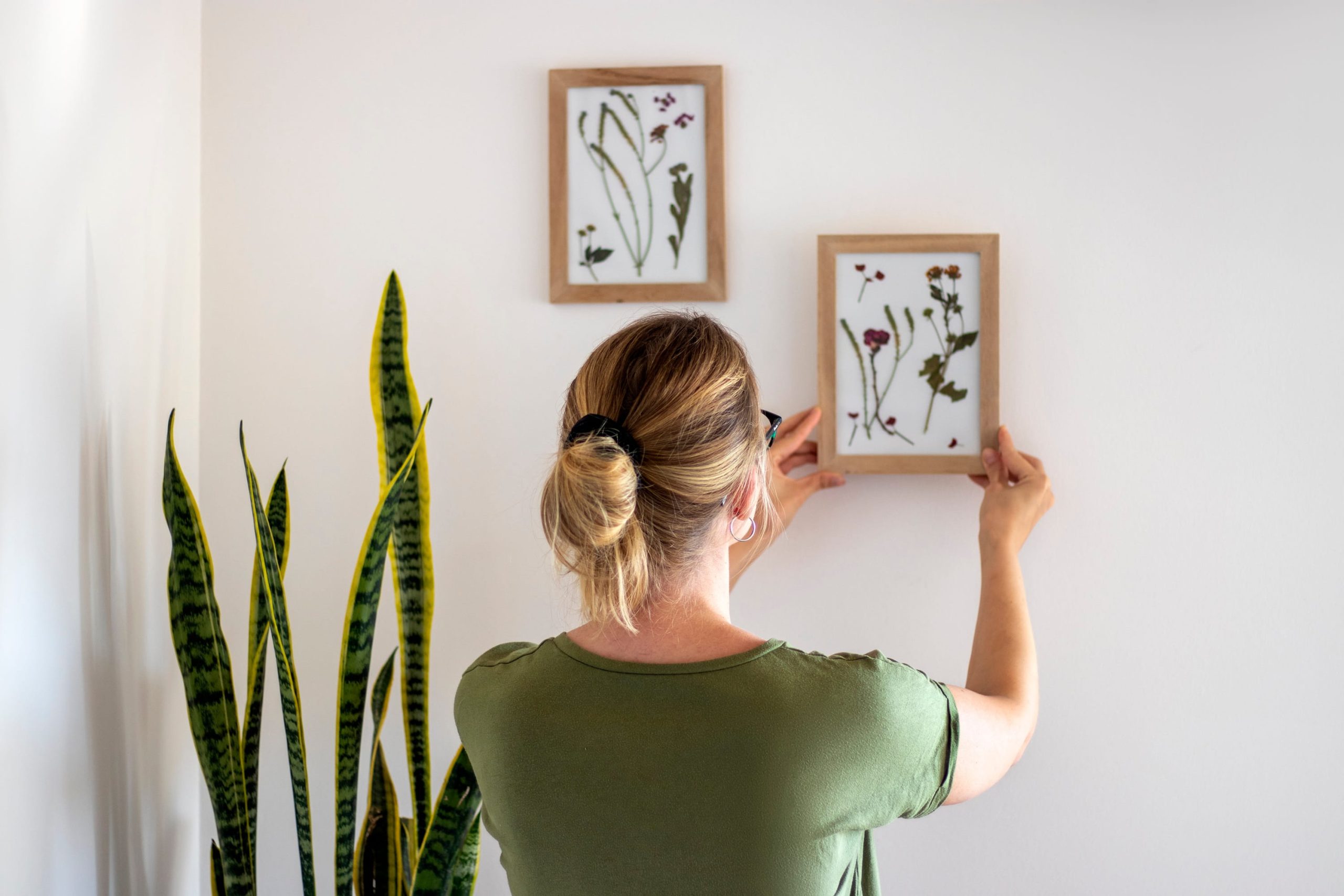
Your bedroom should help you relax, not stress you out. But many bedrooms have gradually become storage facilities for everything that doesn’t have another home, paperwork, extra furniture, clothes waiting to be sorted, and that exercise equipment you’re definitely going to use someday.
Research shows cluttered spaces keep your stress hormones elevated, which makes relaxing harder. When your bedroom feels chaotic, your nervous system struggles to fully switch off. If you’re finding it takes ages to drift off each night, understanding what affects how quickly you fall asleep can help you identify what’s standing in your way.
How to make it stick:
Don’t try to declutter your whole house; that’s overwhelming and usually leads to giving up halfway through. Just focus on your bedroom. Remove anything work-related, relocate that unused equipment, and clear the surfaces. Make this one room serve its actual purpose: helping you rest. While you’re at it, selecting bed linen that supports better sleep can make a surprising difference to how comfortable you feel, especially during Australia’s warm summer months.
Pay attention to your bed itself, too. If your mattress is over eight years old, sagging, or causing you to wake up sore, no amount of tidying will fix that. A dual firmness mattress offers a unique solution; you can flip the internal foam layer to switch between Medium-Soft and Medium-Firm. Your needs might change over time, and this lets you adjust without replacing the whole thing.
7. Make your bedroom work for both of you
If you share a bed, chances are you and your partner don’t have identical sleep needs. One of you runs hot while the other is always cold. Different preferred firmness levels. Different ideal sleeping positions. One snores. Different wake-up times. These aren’t relationship problems; they’re logistics problems that have practical solutions.
About one-third of Australian couples now sleep, at least some of the time, separately, and conflicting sleep needs are the main reason. While sleeping apart can help both people rest better, it’s usually treated as a last resort. Which means many couples suffer through years of disrupted sleep before even considering that there might be better options.
How to make it stick:
Start by having an honest conversation about what’s actually disrupting your sleep. Is it temperature? Firmness? Movement? Snoring? Once you identify the specific issues, you can address them.
A Split King adjustable bed solves many of these challenges elegantly. It’s one bed frame with two independently adjustable bases inside. One person can sleep flat while the other raises their head (which, incidentally, helps with snoring by opening airways). Different wake times? One of you can raise your head to read while the other stays in sleep mode. Different firmness preferences? Each side adjusts separately. No compromise, no spare bedroom needed, no feeling like you’re choosing between your relationship and your rest.
8. Drink more water (without overthinking it)

This might seem almost too simple to count as a resolution, but proper hydration affects everything, energy levels, joint comfort, digestion, mood, and yes, even sleep quality. Yet many people, especially as they get older, simply don’t drink enough water throughout the day.
The reasons vary: you forget, you’re not thirsty, you’re trying to avoid bathroom trips, or you just never built the habit. But chronic mild dehydration makes everything feel harder than it needs to be.
How to make it stick:
Forget the “8 glasses a day” rule, that’s arbitrary and doesn’t account for individual needs, activity levels, or climate (and if you’re in Australia in January, you need more than someone in a cooler climate). Instead, aim for this: drink a glass of water when you wake up, one with each meal, and one before bed. That’s five glasses, done.
Make it easier by keeping water where you spend time. A glass on your bedside table. A bottle near your favourite chair. If you’re taking regular medications, use those moments as water cues, a glass of water with morning tablets, another with evening ones.
And here’s a connection worth knowing: proper hydration helps reduce muscle cramps and joint stiffness, which means fewer disruptions to your rest at night. Small habit, multiple benefits.
9. Build small pauses into your day (not just when you’re exhausted)
Many people push through their entire day without stopping, then collapse exhausted in the evening. But chronic stress and constant activity take a toll on your mood, your patience, your body, and your ability to rest well later.
The solution isn’t necessarily doing less. It’s building in strategic pauses so you’re not running on fumes by dinner time.
How to make it stick:
Set reminders for three “pause moments” throughout your day, 60 seconds each. While your kettle boils in the morning. During your midday cup of tea. Before you start preparing dinner. Use those moments to simply breathe deeply, look out the window, or close your eyes for a minute.
These micro-practices lower your baseline stress levels progressively throughout the day, rather than trying to undo eight hours of accumulated tension with one evening wind-down routine.
The key is making rest accessible, not aspirational. Rest isn’t something you earn after being productive; it’s what enables you to remain functional and comfortable throughout your day. Your bed doesn’t have to be only for sleeping at night; reading, gentle stretching, or simply resting in a comfortable position during the day is legitimate recovery, especially if you’re managing chronic pain or fatigue.
10. Aim for 1% better, not perfect
The most sustainable resolution isn’t a specific behaviour, it’s a mindset. Aiming for 1% better rather than a complete overhaul prevents the all-or-nothing thinking that derails most New Year’s promises. One better choice per day, consistently applied, adds up remarkably over twelve months.
This is especially important to remember as you work on your New Year’s resolutions ideas, they’re meant to improve your life, not become additional sources of stress.
How to make it stick:
Focus on what you’re moving toward, not what you’re avoiding. Research shows “I will walk for 10 minutes daily” succeeds at much higher rates than “I will stop being sedentary.” Your brain responds better to positive targets than negative restrictions.
Use the “never miss twice” rule. Missing one day doesn’t ruin your progress; that’s just life. Missing two consecutive days is when you start forming a new pattern you don’t want. When you slip (and you will, because you’re human), the only thing that matters is getting back to it the very next chance you get.
Why some habits stick (and others disappear by February)

Understanding why habits form, and why they fail, gives you a real advantage over people relying purely on January motivation that’s gone by Australia Day.
Forget what you’ve heard about the “21-day rule”
You’ve probably heard that habits form in 21 days. Unfortunately, that’s not quite right. That number came from 1960s research about plastic surgery patients adjusting to their new appearance, which isn’t really the same thing as building a new habit.
Modern research tells a different story. On average, habits take about 66 days to become automatic. But there’s a huge variation, anywhere from 18 to 254 days depending on what you’re trying to do. Simple things like drinking water after breakfast stick faster. Complex routines like a full evening wind-down sequence take longer.
What this means: be patient. If your new routine still feels like work in week three, you haven’t failed. You’re just not done yet. Give yourself permission to still be figuring it out well into February and March.
How habits actually work (and how to use that)
Every habit follows a pattern: cue → craving → response → reward. Your bedroom door (cue) makes you crave rest, which triggers your wind-down routine (response), leading to comfortable sleep (reward). Understanding the science of how sleep works helps you design better cues and routines around your natural sleep-wake cycle.
To build new habits, make them:
- Obvious (put visible reminders in your environment, water glass on the counter, walking shoes by the door)
- Attractive (pair them with something you enjoy, listen to your favourite podcast during walks)
- Easy (remove friction wherever possible, lay out tomorrow’s clothes tonight)
- Satisfying (give yourself immediate positive feedback, tick off a calendar, celebrate small wins)
To break unwanted habits, flip these: make them invisible, unattractive, difficult, and unsatisfying.
Attach new habits to things you already do
The easiest way to build a new habit is attaching it to something you already do automatically. The formula is simple: “After [current habit], I will [new habit].”
For the resolutions in this guide:
- After I brush my teeth, I’ll drink a glass of water
- After I read the morning paper, I’ll call a friend
- After I have my evening tea, I’ll dim the lights and start winding down
This works because you’re building onto existing patterns instead of creating entirely new ones from scratch.
Start so small it feels almost silly
Success, even tiny success, releases dopamine in your brain, making you more likely to repeat the behaviour. This is why starting ridiculously small works so well. When you commit to “walk to the letterbox” rather than “walk for 30 minutes,” you’ll almost always do it. And once you’re outside, you often end up walking further anyway.
Small wins aren’t settling. They’re the foundation of lasting change. And they’re what turn your New Year’s resolution ideas into actual, sustainable habits.
The one thing that makes everything else easier

Here’s something worth understanding: quality rest isn’t a reward you earn after achieving your goals. It’s the foundation that makes achieving them actually possible.
When you sleep well, everything gets easier. Your willpower holds up better. Pain doesn’t feel as intense. Your mood stabilises. Decision-making improves. Those cravings that derail healthy eating diminish. Even your exercise recovery speeds up. Social activities feel less draining. Financial decisions become clearer. It’s not magic, it’s just how your body works when it’s properly rested.
This is why investing in your sleep setup isn’t an indulgence. It’s infrastructure for everything else you’re trying to do. From the mattress and base to the bedding you choose, why microfibre sheets are worth considering, for instance, with their temperature regulation and easy care, every element contributes to better rest.
What actually helps:
The Zero Gravity position spreads your body weight more evenly, reducing pressure points that cause you to toss and turn through the night. For people dealing with arthritis, back pain, or recovering from surgery, this can mean the difference between fragmented sleep and genuine restoration. Discover whether adjustable beds are worth the investment if you’re dealing with chronic discomfort.
The Anti-Snore elevation isn’t just for your partner’s benefit. Opening your airways improves oxygen flow all night, supporting the deep sleep stages where your body actually repairs itself. Better sleep for you means better sleep for them.
The Split King and Split Queen adjustable configurations let couples customise everything independently, firmness, elevation, positions, schedules, without needing separate bedrooms. It’s a practical solution to the “sleep divorce” issue affecting about one-third of Australian couples.
And for those tough mornings when getting up feels like a major undertaking? Raising the head of your bed before you stand reduces strain on your spine and makes that transition from lying down to upright much gentler, especially when your joints are at their stiffest.
Quality sleep requires the right setup, not just good intentions.
Your partner in better sleep
That’s where the team at Letto comes in. For years, we’ve been helping Australians understand that waking up sore, exhausted, or frustrated isn’t something you just have to accept. Your body deserves proper support. Your relationship deserves rest that works for both partners. Your 2026 resolutions deserve a foundation that actually holds.
Letto’s full range of adjustable beds features Zero Gravity and Anti-Snore positions designed specifically for the challenges Australians face, whether that’s managing chronic pain, dealing with arthritis, or simply wanting to wake up feeling genuinely rested. Our complete mattress and base package deals pair Letto mattresses, Italian-designed, OEKO-TEX® Certified, with dual firmness and cooling gel technology perfect for Australian summers, with independently adjustable bases that let each person customise their side.
With a 30-day comfort guarantee, 10-year warranty, and direct-to-your-door delivery across Australia, better sleep isn’t something you need to work toward for months. It’s a change you can make now.
Letto mattresses are designed for Australians who refuse to accept that waking up sore or exhausted is just “part of getting older.” Because it’s not. Your New Year’s resolutions ideas deserve better than being built on a foundation of poor sleep.
Ready to actually stick with it this year?

The resolutions that actually stick aren’t dramatic midnight declarations; they’re small, specific changes built systematically on a foundation of proper rest. This year, try simplifying: prioritise rest, stay connected, move gently, and remember that progress matters more than perfection.
If chronic pain, discomfort at night, or an uncomfortable mattress has been undermining your sleep, address it directly. Building a consistent good night routine for better sleep starts with a bed that actually supports your body.
Here’s to a year where you actually stick with it, starting with the one thing that makes everything else possible.