

Blog overview
Good sleep hygiene refers to the evidence-based habits and environmental practices that promote healthy, restorative sleep. It includes maintaining a consistent sleep schedule, creating an optimal bedroom environment (cool, dark, and quiet), establishing a relaxing wind-down routine, and avoiding common sleep disruptors like caffeine, alcohol, and screen time before bed. For older Australians, good sleep hygiene becomes even more critical as sleep naturally becomes lighter and more fragmented with age. This article explains what sleep hygiene means, why it matters for physical and cognitive health, which everyday habits support better rest, what to avoid, and how the right sleep environment, including a supportive mattress and adjustable bed, can help protect and improve your sleep quality.
Why “sleep hygiene” isn’t what you think
When you first hear “sleep hygiene,” you’d be forgiven for thinking it’s about washing your sheets more often or keeping your bedroom spotless. But here’s the thing: it’s got nothing to do with cleanliness at all.
Sleep hygiene is actually a clinical concept, which is just a fancy way of saying it’s a collection of habits and tweaks to your environment that help you achieve quality sleep. Think of it less like spring cleaning and more like setting the stage for your body to do what it naturally wants to do: rest, repair, and wake up feeling human again.
What catches most people off guard is this: a huge portion of sleep problems, especially the ones that hang around for months or years, come from sleep habits we’ve accidentally locked in without even realising it. That 3 pm coffee that “doesn’t affect you”? The hour you spend scrolling through your phone in bed? These little routines add up, and over time, they can quietly wreak havoc on your ability to fall asleep and stay asleep through the night.
The upside? Once you know what’s actually getting in your way, you can start making changes that genuinely help improve your sleep.
This becomes especially important as we get older. Our sleep naturally shifts with age; it becomes lighter, shorter, and easier to disrupt. Research shows we spend less time in that deep, restorative sleep stage, even though we still need a solid 7 to 9 hours to function well. So building good sleep hygiene isn’t just helpful, it’s essential protection for the healthy sleep you need.
Why sleep matters more as you age
You know that feeling after a terrible night’s sleep? Everything’s harder. Your patience is thin, your thinking’s foggy, and even simple tasks feel like they require Herculean effort. But the effects of poor sleep quality go much deeper than just feeling a bit rubbish the next day, especially as we get older.
While you’re sleeping, your body isn’t just lying there doing nothing. It’s incredibly busy, repairing cells, clearing out waste, and filing away memories. When you consistently miss out on quality sleep, you’re missing out on all that essential maintenance work.
And the consequences show up in ways you might not expect. Poor sleep quality increases your risk of heart disease, high blood pressure, and stroke. Your immune system takes a hit, too. During sleep, your body makes special proteins that fight off infections and calm inflammation. Without enough sleep, you’re basically leaving the door open for illness to walk right in.
Then there’s what happens in your brain, which is honestly fascinating. While you’re out cold, your brain is consolidating memories and clearing out waste, including a protein called beta-amyloid that’s linked to Alzheimer’s disease. So quality sleep isn’t just about remembering where you left your glasses. It’s about protecting your brain for the long haul.
And here’s one that often surprises people: poor sleep quality significantly increases your risk of falls. When you’re exhausted, your judgment suffers, your reactions slow down, and your balance isn’t what it should be. For older Australians, a fall can mean hospitalisation, loss of independence, or worse. Good sleep hygiene isn’t just about feeling rested; it’s about staying safe.
The three pillars of good sleep hygiene

Here’s what you need to know about building better sleep habits: there’s no single magic fix. Instead, it’s about creating a framework, a collection of small, consistent habits that work together throughout your entire day, not just at bedtime. Let’s break it down.
Pillar one: Respect your body clock
Your body runs on an internal clock called your circadian rhythm (pronounced sir-KAY-dee-an, if you’re wondering). This is the system that controls your sleep-wake cycle, telling you when to feel alert and when to feel sleepy, and it runs on roughly a 24-hour cycle. It’s controlled by hormones like melatonin and brain chemicals like adenosine, which gradually build up throughout the day, making you progressively sleepier.
As we age, this internal clock can shift. You might find yourself nodding off earlier in the evening and waking at dawn, even when you’d rather not. Your body also produces less melatonin than it used to, which can make it harder to fall asleep.
So what’s the single most powerful thing you can do to support your sleep-wake cycle? Go to bed and wake up at the same time every day. Even weekends. Even after a bad night when every fibre of your being wants to sleep in.
This consistency trains your body to expect sleep and wakefulness at predictable times. Think of it like teaching your body a schedule; the more regular you are, the easier falling asleep becomes.
Light plays a crucial role in regulating your circadian rhythm, too. It’s the main signal that syncs your internal clock with the outside world. Getting bright, natural light first thing in the morning, ideally 30 to 45 minutes worth, tells your brain, “Right, it’s daytime now. Time to be awake.” This helps shut down melatonin production during the day so it can work properly at night.
But here’s the flip side: bright light in the evening, especially the blue light from phones, tablets, and TVs, tricks your brain into thinking it’s still the middle of the day. Your melatonin production gets suppressed right when you need it most, making it harder to fall asleep and pushing your bedtime later and later.
Pillar two: Create a sleep sanctuary
Your sleeping environment is constantly sending signals to your brain, either “time to rest” or “stay alert!” Let’s make sure it’s sending the right message.
Get the temperature right. You know that annoying dance where you’re too hot under the covers but too cold without them? That’s not just uncomfortable, it’s actively preventing you from staying asleep. Your core body temperature needs to drop for you to fall and stay asleep, which is why 17-19°C is considered ideal by Australian health experts. If you’re constantly waking up too hot or too cold, getting your bedroom temperature right can make a world of difference.
Make it properly dark. Any light in your bedroom, the glow from a digital clock, phone charger, or streetlights filtering through curtains, can interfere with your ability to sleep at night. Blackout curtains or a comfortable eye mask can help. Your sleeping environment should be dark enough that you can’t see your hand in front of your face.
Keep it quiet. A quiet environment is essential for healthy sleep, and if you can’t control outside noise, traffic, neighbours, or possums on the roof, earplugs, a fan, or white noise can mask disruptive sounds.
Reserve your bed for sleep. This is a big one that people often overlook. When you watch TV in bed, scroll through your phone, or eat meals propped up against the pillows, you’re weakening your brain’s association between your bed and sleep. Your brain starts seeing your bed as a multipurpose space, not a place dedicated to rest. The fix is simple: bed is for sleeping and intimacy only.
Get properly comfortable. This might sound obvious, but a supportive mattress and pillows aren’t indulgences, they’re necessities for good sleep hygiene. If you’re waking up achy or spending half the night tossing and turning trying to find a comfortable position, your mattress and pillows are working against you.
Pillar three: Wind down with intention
You can’t go from checking work emails or watching the evening news straight to peaceful slumber. Your body and mind need time to shift gears before falling asleep.
This is where a proper wind-down routine comes in, that buffer zone of 30 to 60 minutes before bed where you deliberately do calming things. What works is personal, but some proven winners include a warm bath (the drop in body temperature afterwards actually promotes sleepiness), reading an actual book, listening to calming music or a podcast, or some gentle stretches.
The key is finding what genuinely relaxes you and doing it consistently. Building that routine trains your body to recognise these activities as the signal that sleep is approaching.
If you’re someone whose mind tends to race at night, replaying the day’s conversations, worrying about tomorrow’s to-do list, mentally rehearsing arguments that will probably never happen, try this: earlier in the evening, schedule a specific “worry time” where you write everything down that’s buzzing around your head. Getting it out of your brain and onto paper helps “park” those thoughts so they’re less likely to hijack you at 2 am.
The sneaky sleep saboteurs you need to avoid
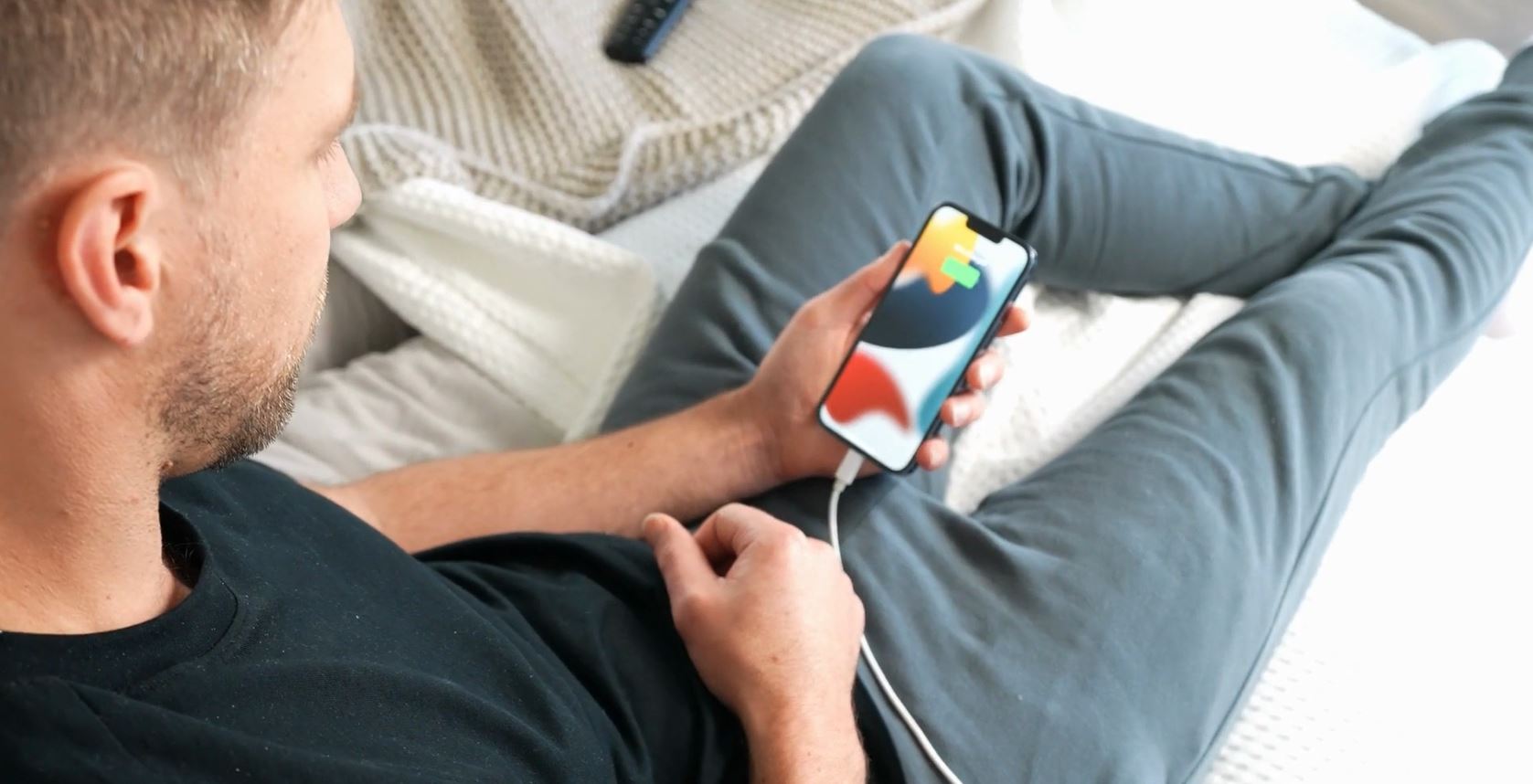
Even if you’re doing everything right with your bedroom setup and wind-down routine, certain habits can completely undermine your efforts to improve your sleep. Let’s talk about the main culprits, and you might be surprised by how long their effects actually last.
Caffeine: The lingering troublemaker
Most people know caffeine keeps you awake. What they don’t know is just how long it hangs around in your system, quietly making it harder to fall asleep.
Caffeine works by blocking adenosine receptors in your brain, basically putting up a “do not disturb” sign on the receptors that make you feel sleepy. The problem? Even though you feel the main buzz within 30-70 minutes, it can take 3 to 7 hours for half of it to clear your system, and up to 24 hours to eliminate completely.
The research gets quite specific here: studies show that to avoid messing with your total sleep time, you should have your last coffee at least 8.8 hours before bed. So if you’re heading to bed at 10 pm, that 2 pm coffee is still having an effect. This is why sleep experts often recommend making lunch your caffeine cut-off if you struggle with sleep problems.
Drinking alcohol
This one catches people off guard because alcohol feels like it helps at first. You have a couple of glasses of wine, you feel relaxed and drowsy, and you drift off easily. Problem solved, right?
Not quite. While alcohol might help you fall asleep faster, what happens in the second half of the night is where things fall apart. Even moderate drinking significantly disrupts your REM sleep, the stage where your brain processes emotions and consolidates memories. You might be unconscious for eight hours, but it’s fragmented, light, and ultimately unrefreshing. That’s why you can wake up feeling awful after drinking, even if you were “asleep” for a full night.
The recommendation is straightforward: avoid alcohol for at least 4 hours before bed if you want to protect your sleep quality.
Your screen time
Screens close to bedtime are problematic in two ways, and most people only know about one of them.
First, there’s the blue light issue. The light from phones, tablets, and TVs suppresses melatonin, essentially broadcasting to your brain that it’s the middle of the day when it should be winding down for the night.
But second, and this might actually be the bigger problem, is what you’re actually doing on those screens. Checking social media, responding to emails, and watching dramatic shows all keep your brain engaged and stimulated when it desperately needs to settle down. You’re essentially revving your engine when you should be coasting to a stop.
The real kicker? Using screens in bed is particularly damaging because it directly displaces sleep; you end up staying awake later and later, eating into your actual sleep time. Daily pre-bed screen use is linked to a 33% higher chance of poor sleep quality.
Health experts agree: create a screen-free zone for at least one to two hours before bed. If that feels impossible, start with just 30 minutes and gradually extend it.
Other habits worth avoiding
Nicotine: It’s a stimulant, just like caffeine. It revs up your heart rate and brain activity precisely when you need them to slow down. Avoid it for at least 2 hours close to bedtime.
Late, heavy meals: Eating a big dinner too close to bedtime means your body is working overtime to digest when it should be settling into rest mode. Aim to finish eating 2-3 hours before bed.
Poorly timed naps: Naps can be brilliant for a quick energy boost, but long or late-afternoon naps can reduce the sleep pressure you need to fall asleep at night. If you need one, keep it short, 15 to 30 minutes, and before 3 pm.
Clock-watching: When you can’t sleep, staring at the clock creates anxiety that releases stress hormones, which makes it even harder to fall asleep. It’s a vicious cycle. Turn the clock to face the wall or remove it from the room entirely.
How the right bed supports better sleep hygiene
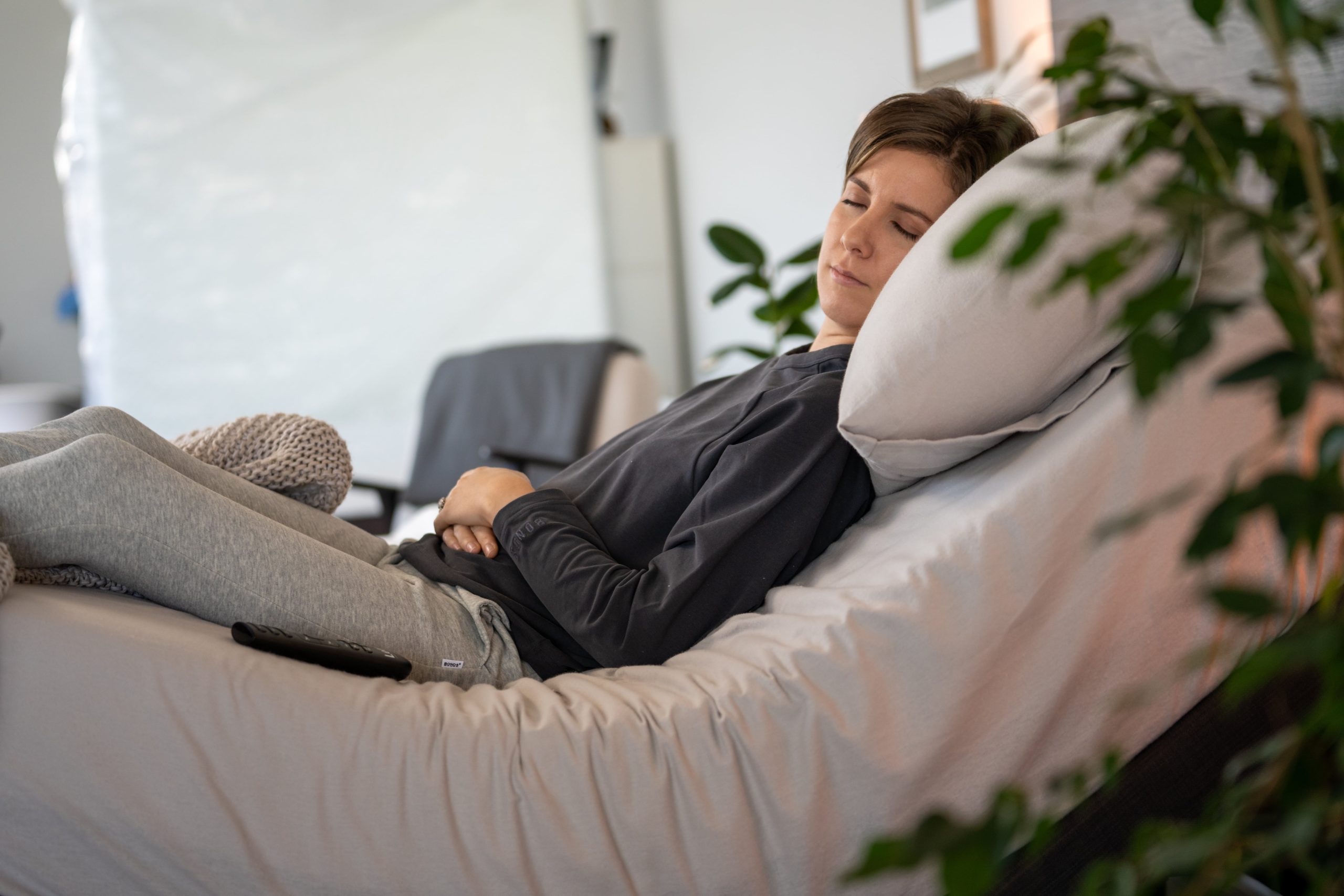
Here’s something that doesn’t get talked about enough: creating a comfortable sleeping environment is a fundamental part of good sleep hygiene. And for many older Australians, a traditional flat mattress just isn’t cutting it anymore.
As we age, we’re more likely to deal with chronic pain, arthritis, acid reflux, circulation issues, or breathing problems, all of which can make lying flat uncomfortable or downright painful. When you’re constantly shifting positions, trying to get comfortable, you’re not getting quality sleep. And that’s where an adjustable bed stops being a luxury and becomes a practical tool.
Think about it: with an adjustable bed, you can customise your position to take pressure off your back, hips, and shoulders. There’s a position called “Zero-Gravity” that elevates your head and legs slightly to distribute your weight evenly, taking stress off joints and muscles. For people dealing with chronic back pain, this can be genuinely life-changing.
If acid reflux keeps you up at night, elevating the head of your bed lets gravity do its job, keeping stomach acid where it belongs, no more precarious pillow towers that collapse halfway through the night. Snore or have mild breathing troubles? Just a 10-15 degree incline can help keep your airways open by preventing soft tissues from collapsing back into your throat. Got swelling in your legs? Elevating them above heart level improves circulation and reduces that uncomfortable fluid buildup.
Beyond comfort, there’s a practical safety benefit: raising the bed to a seated position makes getting in and out safer and easier, reducing fall risk and helping you maintain your independence. This level of customisation is precisely why Letto adjustable beds are so effective. They aren’t just beds; they are tools for better health. With features like pre-set Zero-Gravity and Anti-Snore positions, plus full-body massage functions, you can actively manage your comfort and address the specific issues that are fragmenting your sleep. It’s about taking control of your sleep environment, which is the heart of good sleep hygiene.
If you’re curious about how the right bed setup can support your sleep hygiene goals, Letto’s package deals are designed specifically with older Australians in mind.
Movement is essential
Here’s something that might surprise you: one of the best things you can do to improve your sleep happens during the day, nowhere near your bedroom. Exercise.
Regular physical activity is a proven tool for improving sleep quality. And unlike sleeping pills, the side effects are all positive.
Here’s the mechanism: when you exercise, your body temperature rises. Then, in the hours after you finish, it gradually drops back down. This temperature decline mimics what naturally happens when your body prepares for sleep, essentially priming you to feel sleepy later on.
But timing matters for building good sleep habits. Morning or early afternoon exercise works best because it reinforces your circadian rhythm, especially if you’re doing it outdoors in natural light. On the other hand, vigorous exercise too close to bedtime can backfire; your heart rate’s elevated, adrenaline’s pumping, and you’re too revved up to wind down. The general guideline is to finish intense workouts at least three to four hours before bed.
And here’s the interesting bit for older Australians: while any exercise helps, recent research suggests that resistance training, weights, resistance bands, and bodyweight exercises are the single most effective type of exercise for improving sleep quality in older adults with insomnia. Even more effective than traditional cardio, like walking or swimming.
When to seek help
Let’s be clear: good sleep hygiene is powerful, but it’s not a cure for everything. If you’ve been consistently applying these sleep habits for a few weeks and you’re still struggling with sleep problems, it’s time to have a conversation with your GP.
Some signs your sleep problems might need medical attention:
- You’re experiencing excessive daytime sleepiness, even after what should be enough sleep
- You snore loudly and frequently
- You wake up gasping or choking
- You have an irresistible urge to move your legs at night
- Your sleep problems are significantly affecting your mood or daily life
These could be signs of conditions like sleep apnea, restless legs syndrome, or chronic insomnia, all of which need proper medical treatment, not just better sleep hygiene.
Your sleep hygiene checklist
Let’s bring it all together in one place. Save this, print it, stick it on your fridge, whatever helps you remember:
Do:
- Go to bed and wake up at the same time every day (yes, including weekends)
- Get 30+ minutes of morning sunlight to support your circadian rhythm
- Exercise regularly, preferably in the morning or afternoon (resistance training is particularly helpful)
- Create a 30-60 minute screen-free wind-down routine
- Keep your sleeping environment cool (17-19°C), dark, and quiet
- Use your bed only for sleep and intimacy
- Invest in a comfortable, supportive mattress and pillows
Avoid:
- Caffeine after early afternoon
- Alcohol within 4 hours of bedtime
- Screens for 1-2 hours close to bedtime
- Large meals within 2-3 hours of bedtime
- Long naps or naps after 3 pm
- Clock-watching when you can’t fall asleep
Small changes, big impact
The beauty of good sleep hygiene is that you don’t need to overhaul your entire life overnight. Start small. Pick one or two sleep habits from this list that feel doable. Maybe it’s sticking to a consistent wake-up time or swapping your bedtime scroll for a book.These improvements build on each other; they’re cumulative. You probably won’t see dramatic changes after one night, but stick with it for a few weeks, and you’ll likely notice a genuine difference in your sleep quality and how you feel.
And if you’re also dealing with sleep debt, building these habits becomes even more important. You’re not just improving tonight’s sleep; you’re creating a foundation for healthy sleep over the long term. Because here’s the truth: sleep isn’t a luxury or something to feel guilty about prioritising. It’s as fundamental to your health as eating well or staying active. And with the right sleep habits and the right support, you can protect it.Ready to improve your sleep environment? Explore Letto’s range of adjustable beds and mattresses designed to support natural, restorative sleep. As an Australian-owned company, Letto is dedicated to helping you find genuine comfort and pain relief. With features like Zero-Gravity pre-sets and a 30-night comfort guarantee, you can finally create the ideal sleep sanctuary to support your new, healthy sleep hygiene habits.