

What Is the Best Mattress for a Side Sleeper?
In this blog
In this guide, we explore what makes the best mattress for a side sleeper, from the importance of pressure relief at the hips and shoulders to finding the right firmness levels. We break down the pros and cons of different mattress types like memory foam, latex, hybrids, and innerspring, and highlight common mistakes side sleepers should avoid. You’ll also discover insights from Australian sleep guides, practical advice on pillows and sleep accessories, and how climate and sizing influence your choice. Finally, we share Letto’s mattress recommendations, including sizes and adjustable options, along with a simple 7-night checklist to test comfort at home.
Picture yourself settling into bed tonight, chances are you’re already imagining that familiar curl onto your side. You’re definitely not alone in this preference. Side sleeping dominates as Australia’s most popular sleeping position, according to Bedbuyer’s national survey of over 1,000 people. But here’s what many side sleepers know all too well: that nagging shoulder pressure building through the night, hip soreness interrupting your deepest sleep phases, and that morning neck stiffness when your pillow height just doesn’t cooperate.
Studies published in the Sleep Foundation’s research show that sleeping on the side or back is considered more beneficial than sleeping on the stomach. In either of these positions, it’s easier to keep your spine supported and balanced, which relieves pressure and enables your muscles to relax and recover. The Better Health Channel recommends choosing a pillow height that matches the distance from neck to shoulder for side sleepers, a detail that makes all the difference when combined with the right mattress for side sleepers.
What side sleepers need in a mattress
Your body has very specific demands when you sleep on your side, and understanding these needs transforms your mattress shopping experience entirely. Those shoulders and hips? They’re doing the heavy lifting, bearing most of your body weight and creating pressure points that can turn a restful night into a series of uncomfortable wake-ups.
Pressure relief at these critical zones becomes your first line of defence against those 3 am wake-ups. When your shoulder and hip can sink slightly into the mattress surface, those uncomfortable pressure points that seem to intensify as the night wears on finally get the relief they desperately need. Consumer testing reveals something fascinating: softer feels don’t just feel better for side sleepers, they actually help contour your body’s natural curves, creating that perfect cradle effect that distributes your weight far more evenly than firmer surfaces ever could.
But here’s where things get interesting. Stable support isn’t just about firmness; it’s about creating the perfect balance that keeps your spine happy all night long. Biomedical engineering research reveals something crucial: your sleep system directly affects whether your spine maintains its natural alignment, and studies published in PLOS One demonstrate just how critical optimal spinal positioning becomes for side sleepers. The magic happens when your mattress allows those shoulders and hips to dip just enough while still supporting your midsection, maintaining that natural spinal curve that prevents morning aches. This delicate balance directly connects firmness choice to sleeping position, highlighting how different constructions support this comfort equation.
Breathable materials become especially important in Australian bedrooms where heat build-up can disrupt sleep quality. The difference in airflow between spring and foam mattresses can significantly impact your comfort, particularly during warmer months when temperature regulation matters most.
Don’t underestimate your pillow either, it’s working overtime to complete the comfort equation. When your pillow height matches that distance from neck to shoulder edge, something almost magical happens: your neck finally stays neutral instead of being bent at awkward angles for eight hours straight. Even the most carefully chosen mattress can’t rescue you from a pillow that throws your alignment completely off track.
Firmness levels explained for side sleepers

Mattress firmness feels like learning a new language, but once you crack the code, everything clicks into place. Here’s what changes the game for those who sleep on your side: while back sleepers might thrive on firmer surfaces, your body craves something entirely different. Consumer guides consistently point to a fascinating pattern: side sleepers naturally gravitate toward softer mattresses that work with their pressure points rather than fighting against them.
Australian mattress brands broadly agree on this guidance. Industry guides suggest a plush or soft feel specifically alleviates pressure at the hip and shoulder for side sleepers, while others recommend soft-to-medium options for the same reason. Think of it this way: those softer surfaces actually let your body’s natural curves nestle into the mattress instead of forcing you to fight against an unyielding surface all night. But here’s where many people get surprised, plenty still find their sweet spot in medium or medium-firm territory. Why? Because comfort isn’t one-size-fits-all, especially if you’re someone who shifts between side and back positions throughout the night. Your perfect firmness depends on far more than just sleeping position; your body weight, personal preferences, and movement patterns all play starring roles in this decision.
Type of mattresses for side sleepers: Pros and cons
Memory foam mattresses and foam hybrids
Memory foam mattress options have become synonymous with pressure relief, and for good reason. These foam mattresses excel at contouring to your shoulders and hips, creating that “hugged” feeling many side sleepers love. Quality memory foam adapts to your body’s unique shape, making it particularly suited to side sleepers who need targeted pressure point relief. Motion isolation is another major advantage; your partner’s movements won’t ripple across to your side of the bed.
The trade-off? Memory foam can feel warmer and more “encased” without proper cooling features or airflow channels. That classic memory foam “sink” that provides such excellent pressure relief can also trap heat around your body. Modern gel-infused and open-cell foams address these concerns, but it’s worth considering if you tend to sleep hot.
Latex
Natural latex offers a different feel that some side sleepers swear by. Known for exceptional durability and breathability, latex provides responsive contouring without the deep sink of memory foam. Material testing shows how latex bounces back quickly when you shift positions, making it easier to move during the night while still offering pressure relief.
However, latex can feel firmer or more “solid” compared to memory foam, even at similar firmness ratings. Some side sleepers find it doesn’t provide quite enough of that plush cradle they’re seeking for their shoulders. It’s a material that tends to push back slightly rather than fully conforming, which works wonderfully for some but not all side sleepers.
Hybrid with pocket springs
Hybrid mattresses aim to deliver the best of both worlds: the contouring comfort of foam layers with the support and airflow of springs. Quality hybrids use individually pocketed springs that move independently, allowing better contouring than traditional innerspring while maintaining that responsive support. Pocket springs improve airflow through the mattress core, addressing the heat retention issues common with all-foam designs.
Quality varies significantly in the hybrid category, though. Poor designs might skimp on comfort layers, reducing the contouring at the shoulder that side sleepers desperately need. Look for hybrids with substantial comfort layers (at least 5-7cm) above the spring unit to ensure adequate pressure relief.
Traditional innerspring
Traditional innerspring mattresses remain popular for their cooler feel and accessibility across price ranges. The interconnected coil systems provide consistent support and excellent airflow, making them a solid choice for hot sleepers on a budget.
The downside for side sleepers becomes apparent at pressure points. Interconnected coil systems contour less at the shoulder compared to pocket springs or foam, which many side sleepers feel as uncomfortable pressure. Unless topped with quality comfort layers, traditional innerspring mattresses often feel too firm for dedicated side sleepers.
Common mistakes side sleepers make
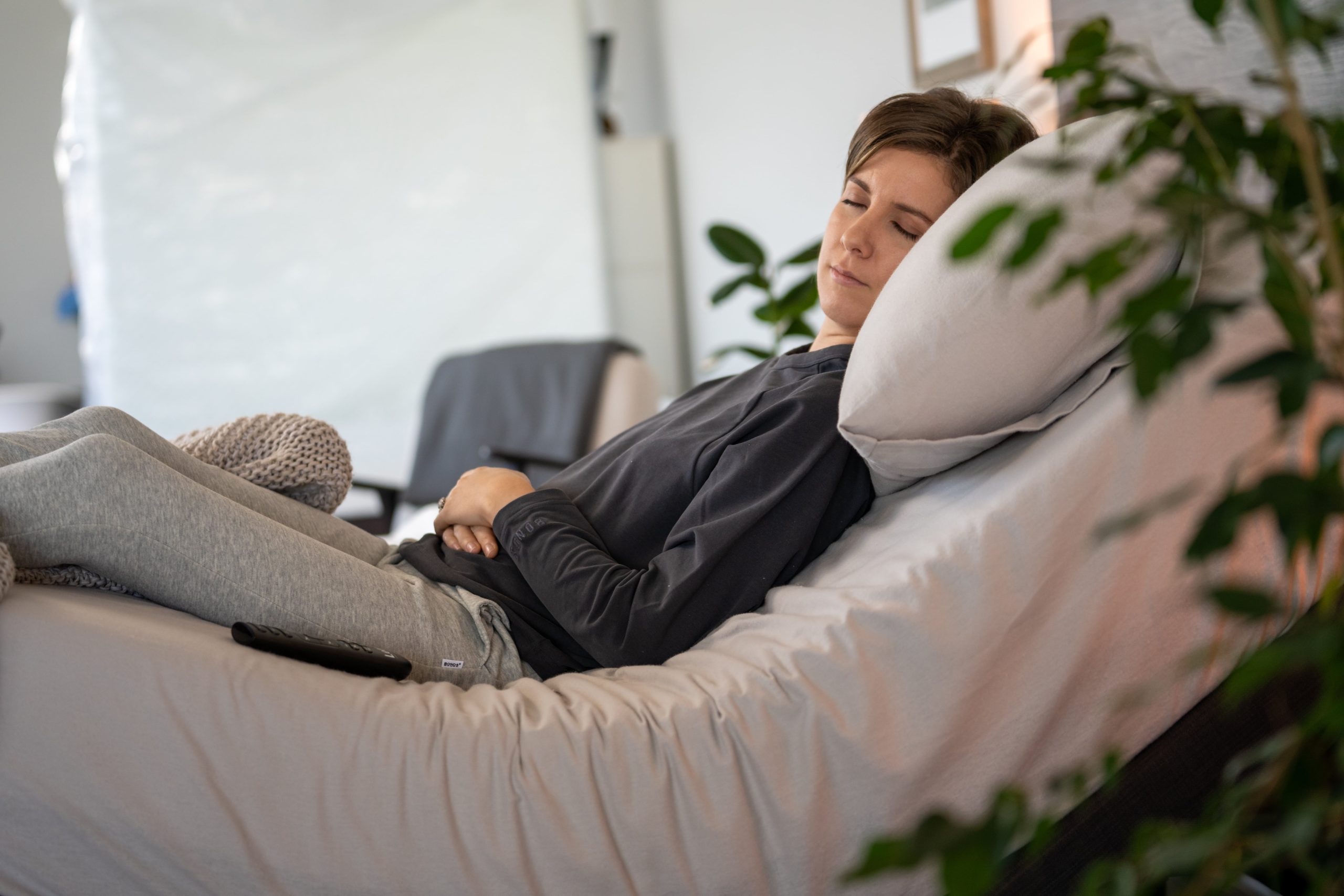
Even with all the right knowledge, certain pitfalls seem to catch side sleepers off guard every single time. The biggest culprit? Going too firm because it sounds “supportive.” Here’s the reality check: if your shoulder can’t nestle into the surface, you’re setting yourself up for shoulder and neck discomfort that builds throughout the night. Consumer guidance consistently highlights this crucial point: side sleepers need softer contouring specifically to accommodate pressure points and maintain healthy spinal alignment.
But swing too far toward the ultra-soft end, and different problems emerge. When your hips sink excessively deep, your spine curves unnaturally, creating that uncomfortable arch that translates directly into lower back pain. A fascinating cross-sectional study conducted at Curtin University discovered something telling: people experiencing cervical pain and morning stiffness actually spent significantly more time in problematic sleep postures during the night. The connection between poor alignment and sleep quality couldn’t be clearer. This misalignment often manifests as lower back pain that builds through the night. Finding that Goldilocks zone where you get pressure relief without sacrificing support takes some experimentation.
Wrong pillow height compounds any mattress issues. The advice about sizing pillow height to shoulder width seems simple, but many side sleepers overlook this crucial detail. A pillow that’s too high or too low forces your neck out of alignment for hours, undoing any benefits from your carefully chosen good mattress.
What Australian guides say and gaps we can fill
Scanning through Australian sleep resources reveals a clear consensus on several points. Side sleeping’s popularity appears consistently, with national surveys showing it as Australia’s most preferred position, aligning with anecdotal evidence from retailers and health professionals. Major brands suggest soft to medium firmness levels for side sleepers, emphasising pressure relief at the hip and shoulder. Everyone agrees buyers want both breathability and contouring, with detailed airflow differences across spring and foam types.
Yet several practical aspects often go unaddressed. Few articles discuss the pillow-mattress relationship with specific, clinical guidance on pillow height. Choosing the perfect mattress involves understanding how all these elements work together. Australian mattress sizing gets glossed over, particularly those long single and split sizes that matter for adjustable and shared beds. Standard sizing includes a long single at 92 x 203 cm and a king single at 106 x 203 cm, but many buyers don’t realise these options exist.
Most importantly, practical home trial checklists remain rare, despite the fact that trials and returns have become standard in the Australian market. Those few minutes in a showroom can’t replicate a full night’s sleep, making systematic home testing essential for finding your perfect match.
Sleep accessories that help side sleepers

Your mattress forms the foundation, but strategic accessories can fine-tune your comfort significantly. Start with that crucial pillow height matched to your shoulder width; this guidance can transform your neck comfort overnight. Consider measuring the distance from your neck to the edge of your shoulder while standing, then look for a pillow that maintains this height when compressed.
A soft but supportive topper offers another adjustment tool if your base mattress feels slightly too firm. Modern mattresses often include toppers and adjustable firmness approaches that let you modify the feel without replacing the entire mattress. Quality toppers can add 3-5cm of pressure-relieving comfort, perfect for side sleepers who need just a bit more cushioning at pressure points.
For those particularly sensitive at the shoulder, an adjustable base allows you to slightly vary your torso angle, redistributing pressure across different contact points. This isn’t about medical treatment, it’s about comfort optimisation. Just ensure any adjustable base setup aligns with your mattress warranty requirements, as some manufacturers have specific guidelines about base types. Your mattress choice directly affects posture throughout the day, making these accessories worth considering.
Australian climate, sizeing and testing
Australian mattress shopping comes with unique considerations. Our standard sizes differ from international measurements, with options like long single (92 x 203 cm) and king single (106 x 203 cm) offering solutions for taller individuals or narrower spaces. Queen beds measure 153 x 203 cm, while king beds span 183 x 203 cm. Split options in queen, king and super king sizes accommodate couples with different firmness preferences or those using adjustable bases.
Testing tips emphasise moving around and lying for longer periods when trying mattresses in store. Don’t feel rushed; proper testing means assuming your usual sleep position for at least 10-15 minutes. Many box brands now offer 100+ night trials with generous warranties, recognising that true comfort evaluation happens at home, not in a showroom.
Climate considerations matter more than many realise. Australian bedrooms face temperature extremes that affect mattress performance. That memory foam, perfect for Melbourne winters, might feel stifling during Brisbane summers. Consider your local climate and personal temperature preferences when weighing materials and construction types. The Sleep Health Foundation, Australia’s leading sleep advocacy organisation, emphasises how environmental factors like temperature significantly impact sleep quality.
Our recommendations for side sleepers

For side sleepers seeking adaptable comfort, the Letto gel memory foam mattress offers a unique solution with adjustable firmness you can change at home. Rather than committing to one feel, you can switch between medium-soft and medium-firm by simply flipping the internal foam layer. This flexibility proves invaluable for side sleepers still discovering their ideal pressure relief balance without purchasing multiple mattresses.
The cooling gel memory foam specifically addresses two critical needs for side sleepers: pressure relief and temperature regulation. The gel-infused foam cushions shoulders and hips while helping dissipate heat, a crucial feature for Australian bedrooms where temperature management can make or break a good night’s sleep quality.
Letto offers the full range of Australian sizes, including those harder-to-find options:
- Long single 92 x 203 cm for taller individuals in compact spaces
- King single 107 x 203 cm offering extra width without full single bed length
- Split queen 153 x 203 cm for couples wanting individual comfort
- Split king 184 x 203 cm, providing maximum personal space
- Split super king 214 x 203 cm for ultimate luxury and customisation
These split sizes particularly benefit side-sleeping couples, letting each partner personalise position and firmness feel. When paired with Letto’s adjustable bed bases, split configurations allow independent positioning adjustments, perfect when one partner needs slight elevation for shoulder comfort while the other prefers lying flat.
How to test your next mattress at home: The 7-night checklist
Night 1-2: Focus on shoulder and hip pressure while lying on your usual side. Note any building discomfort or numbness that develops after 20-30 minutes in position.
Night 3-4: Temperature check time. Monitor heat build-up, especially around your torso and hips. Does the mattress sleep noticeably warmer or cooler than expected?
Night 5-6: Test edge support if you sleep close to the side or share a smaller bed. Can you lie comfortably near the edge without feeling like you might roll off?
Morning check: Assess neck and lower back comfort immediately upon waking. How easily can you turn from side to back? Any stiffness or soreness that wasn’t there before bed?
This systematic approach recognises that quick in-store tests can’t replicate real sleep conditions. Getting better sleep quality involves multiple factors beyond just your mattress. Give yourself time to truly evaluate comfort across different sleep stages and positions.
Making your choice count

For side sleepers, finding that perfect mattress means balancing pressure relief with proper spinal alignment. Starting with soft to medium firmness gives you a solid foundation, then refining based on your body’s feedback ensures lasting comfort.
Findings from the Australasian Sleep Association confirm that proper sleep surface selection significantly impacts sleep quality and daily well-being. If adjustable comfort appeals to you, avoiding the hassle of shopping twice, consider exploring the Letto gel memory foam mattress with its two firmness options and comprehensive Australian size range, including split options for couples.
Ready to transform your sleep quality? How much deep sleep you need each night depends on several factors, and your new mattress plays a crucial role. Learning how to pick a bed for ultimate comfort ensures every element works together for the best mattress for side sleeper experience.