

If you’re searching for the best mattress for posture, you’ve probably reached a point where comfort and proper support matter more than ever. Maybe you’re waking up a little sore. Maybe your back feels tight in the morning. Or maybe you’re simply ready to take better care of your body while you sleep.
Whatever the reason, paying attention to how your mattress supports your posture is one of the smartest things you can do for your long-term comfort and well-being.
In this guide, we’ll walk through why posture matters while you sleep, what a poor mattress can do to your alignment, and what features to look for in one that helps—not hinders—your rest.
Why posture matters while you sleep
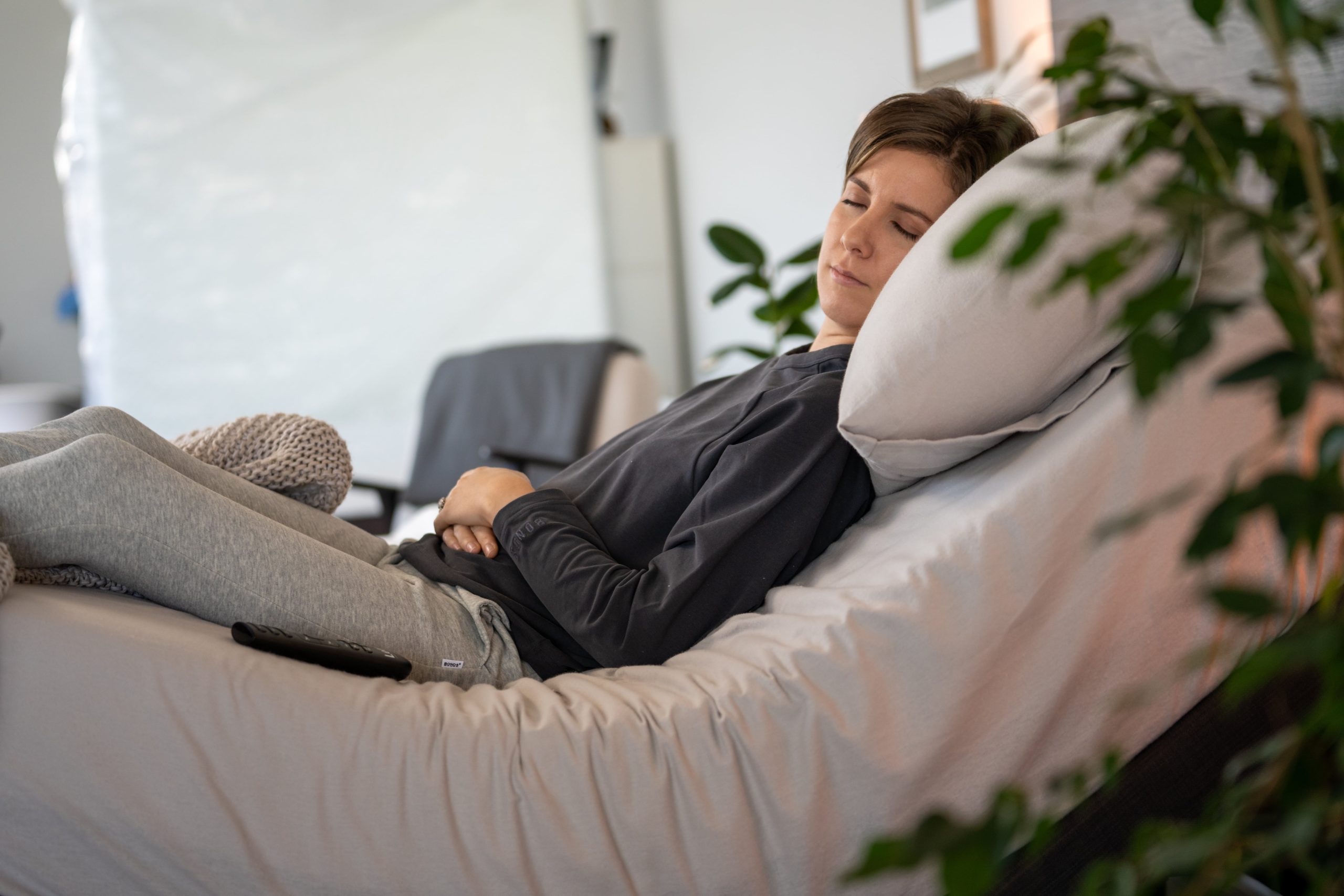
We tend to think of posture as something we worry about during the day, standing up straight or sitting with our shoulders back. But those 7 or 8 hours you spend in bed? They count just as much.
While you sleep, your body is meant to rest, reset and recover. If your mattress isn’t supporting you properly, your spine can fall out of alignment, forcing your muscles and joints to work harder than they should. Over time, that can lead to back pain, joint stiffness, and signs of poor posture that carry into the day.
A mattress that encourages proper spinal alignment allows everything to relax the way it should. Your core muscles and joints don’t have to fight against the surface you’re lying on, which helps promote deeper sleep and even supports general posture during waking hours.
How the wrong mattress can impact your posture

Not all posture problems come from an old, sagging mattress. Even one that feels fairly new can cause discomfort if it isn’t the right fit for your sleep style or body.
Here are a few signs your mattress might be affecting your posture:
- You wake up with stiffness or lower back pain
- You feel pressure or numbness in your shoulders or hips
- You toss and turn throughout the night, trying to get comfortable
- You feel more tired and achy when you wake than when you went to bed
When your mattress lacks support, your spine can sink or twist out of position. That’s where bad posture often begins—quietly, and over time, as your muscles and joints struggle to hold things in place while you sleep.
Over time, this can reduce muscle strength, particularly through the abdominal muscles, which play a key role in supporting the spine even while you rest.
What to look for in a posture-friendly mattress

The best mattress for posture supports your body in a way that feels natural, not forced. It should keep your spine gently aligned, no matter how you sleep. Here’s what to look for when choosing a mattress:
Balanced firmness
You don’t want to sink in too far, but you also don’t want to feel like you’re sleeping on a plank. A medium-firm feel often hits the sweet spot—it keeps your hips and shoulders level while still cushioning pressure points.
This type of surface helps reduce the risk of poor posture developing overnight, especially in areas like the lower back and neck.
Zoned support
Your body isn’t flat, so your mattress shouldn’t treat it like it is. Zoned support means different areas of the mattress are built to support different parts of your body. Firmer where you need lift (like under the lower back), and softer where you need relief (like the shoulders and hips).
This structure supports proper spinal alignment and helps maintain even pressure across the body, which in turn supports your core muscles and improves overall comfort.
Responsiveness
A supportive mattress should adjust with your movements, not fight against them. Whether you sleep on your side, back, or somewhere in between, it should move with you, not leave you stuck or sagging in one spot.
A mattress that responds well helps maintain good posture throughout the night, even as your body naturally shifts positions.
Breathability
This one might not seem posture-related, but temperature plays a role, too. If you’re too hot or uncomfortable, you’re more likely to toss, turn or slip into less supportive positions. A breathable mattress helps keep you comfortable so you stay aligned for longer stretches.
Sleep position plays a big role, too

Even the best mattress won’t fix posture if your sleep position is working against you. The way you lie down affects how your spine rests overnight.
- Back sleepers usually need subtle support under the lower back to maintain the spine’s natural curve
- Side sleepers often benefit from extra cushioning at the shoulders and hips to avoid twisting or sinking too far
- Stomach sleepers tend to put the most strain on the back and neck, especially if their pillow or mattress isn’t suited to the position
Adjusting your sleep style—along with your mattress—can help improve your posture gradually and relieve unnecessary strain on your joints and muscles.
Other ways to support better posture

Your mattress does most of the work, but it’s not the only thing that matters.
A pillow that’s too high or too soft can pull your head out of alignment and strain your neck. Choosing one that suits your sleep position helps keep everything in line from top to bottom.
An adjustable bed base can also help, especially if you want to raise your legs or head slightly for better comfort. A small elevation under the knees or upper body can reduce pressure and help your body settle into a more neutral position.
If you tend to sleep on your stomach, shifting to your side or back—even part of the night—can help relieve tension. It’s a small change that often leads to fewer issues with neck pain and better alignment overall.
Supporting your muscle strength—especially in your core—through gentle stretching or low-impact movement during the day can also help reinforce the alignment you’re aiming for at night.
The best mattress for posture is one that works with your body

Posture isn’t just something you think about during the day. It follows you into the night, and it has a big impact on how you feel when you wake up.
If your mattress is making your body work harder than it needs to, it might be time to find something that gives you better support. A setup that keeps your spine in line and your muscles relaxed can mean less pain, deeper sleep, and a more comfortable way to start the day.
Letto is built around the idea that sleep should feel simple. Our mattress, pillow, and adjustable bed base are designed to work together, so you can rest easy knowing your posture is supported, not compromised.
Explore our mattress range and take the next step toward better posture and better sleep.